

In the quiet town of Bitonto, nestled in the sun-drenched region of Puglia, Italy, a truly extraordinary sequence of events unfolded that feels more like a cinematic plot twist than real life. It began with an anonymous resident who, like so many others, held onto a long-standing ritual: playing the same set of numbers—2, 4, 8, 10, and 51—in the hopes that fortune might one day smile upon them. When the player checked their ticket at a local shop, they were told the slip was “non-payable.” In a moment of understandable frustration and crushed expectations, they tossed the paper into the trash, firmly believing it to be a worthless scrap. Little did they know that this single, hasty decision had just sent a fortune of €1 million literally to the dump.
The human element of this story is underscored by the simple misunderstanding that nearly cost the winner their future. The clerk at the shop hadn’t meant that the ticket was a loser; rather, in Italian lottery parlance, “non-payable” simply indicates that the prize amount exceeds the shop’s capacity to pay out. When the player returned home and shared the news, a vigilant relative pointed out that those specific numbers were, in fact, the winning combination for the jackpot. The realization hit like a lightning bolt: that discarded slip of paper was the key to a completely new life. Panic, regret, and a sliver of desperate hope must have surged as the player realized they had thrown away a million euros.
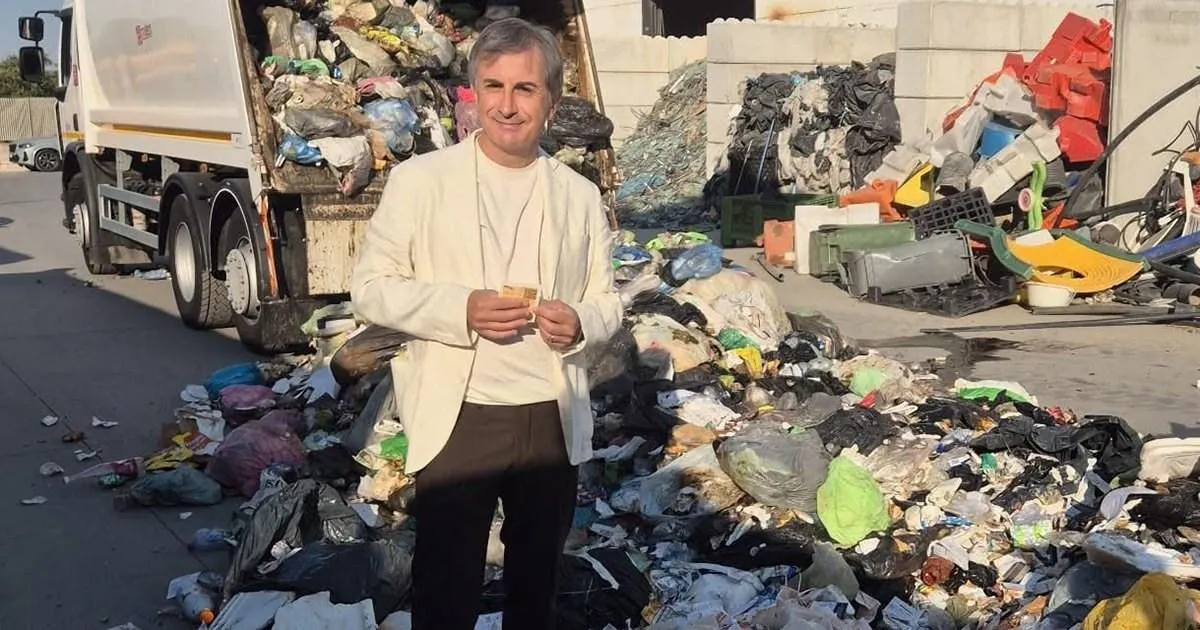
The race against time began almost immediately. Recognizing that their trash had likely been collected, the player set out to track down the ticket. In an incredible stroke of luck, the collection had occurred on a Sunday, meaning the refuse hadn’t yet been processed or transported to a final landfill. Nicola Roberto Toscano, the head of the local waste management firm, North Bari Environmental Services (SANB), found himself at the center of a real-life treasure hunt. Realizing the gravity of the situation, he and his dedicated team of workers transformed themselves from waste management professionals into investigators, determined to help a neighbor reclaim a life-changing prize from the metaphorical mountain of trash.
For two grueling days, the team sifted through massive heaps of refuse. It was an arduous, unglamorous task, but the human spirit of empathy—the desire to help a person retrieve what was rightfully theirs—kept them going. By Tuesday, their persistence paid off. Amidst a collection of discarded items, a worker spotted a plastic bag containing the specific ticket. It was a needle in a haystack, a miraculous recovery that felt like a victory for the entire team. Toscano, clearly moved by the absurdity and joy of the event, later shared his reflection on social media, noting that while people often say “waste can be a resource,” they rarely mean it as literally as this.
The story ends with a touch of irony and charm that makes it all the more memorable. Having successfully retrieved the millionaire’s ticket, Toscano and his crew decided to try their own luck; they bought a scratch card to celebrate the successful mission and promptly won £50. It was a lighthearted coda to a high-stakes drama. The original winner, though suddenly a millionaire, was faced with the reality of the situation: they would have to cover the significant costs associated with the search and recovery of the ticket. It is a small price to pay, perhaps, for the second chance they were so miraculously granted by a group of strangers who refused to give up on a pile of garbage.
Beyond the humor and the headline, this tale serves as a poignant reminder of the fragility of luck and the unexpected interconnectedness of a community. We often go through our days discarding things we deem useless, unaware of the hidden value buried within our everyday actions. In the UK and across the globe, thousands of pounds go unclaimed each year because people simply do not realize they have won. This Italian story reminds us to double-check our habits and perhaps pay closer attention to the things we choose to throw away. Ultimately, it is a heartwarming testament to the power of a persistent team and a reminder that, sometimes, the universe really does offer a second chance—if you are willing to dig for it.