


It is with heavy hearts that we share the story of a devoted zookeeper whose life was tragically cut short in the most unexpected and heartbreaking way. The woman, a seasoned professional who had dedicated four decades of her life to caring for animals, passed away days after being brutally attacked by a leopard at the Beekse Bergen safari park in the Netherlands. The incident occurred on a seemingly ordinary Saturday, when she was inside an indoor enclosure tending to two Persian leopards. What began as a routine part of her day turned into a nightmare that would leave her with catastrophic injuries to her head and neck. Despite the best efforts of emergency responders and surgeons who fought to save her, she succumbed to her wounds on Tuesday, leaving her family, friends, and colleagues in profound shock and grief. Her death is not just a statistic; it is a reminder of the deep bond between humans and the wild animals they dedicate their lives to protect, and the inherent dangers that come with that calling.
The attack itself unfolded in a space that was meant to keep both staff and animals safe, yet it became the scene of an unimaginable tragedy. The two Persian leopards had been moved indoors because of bad weather, a decision that seems routine for any safari park. Normally, the animals were kept away from staff members, but on this day, the keeper needed to enter their enclosure. It remains unclear exactly what triggered the attack, and the absence of CCTV cameras in that area means there may never be a full answer. What we do know is that the keeper, despite her severe injuries, managed to alert her colleagues using her walkie-talkie. That act of sheer determination likely gave her a chance, as emergency services were quickly dispatched and she was airlifted to a nearby hospital. She underwent emergency surgery, but her condition was critical from the start. The following days were spent in anxious hope by those who knew her, but ultimately, the injuries proved too severe to overcome. Her death was confirmed by the park, which released a statement expressing the deep sorrow felt by everyone who had the privilege of working alongside her.
In the wake of this devastating loss, the park has announced that an independent investigation will be launched to understand how such a tragedy could occur. This is a necessary step, not only to answer the painful questions surrounding this specific incident but also to ensure that safety protocols are examined and improved so that no other family has to endure this kind of grief. The park’s statement reflected the shock and sorrow rippling through the community, emphasizing that their primary focus is on supporting the keeper’s family and her colleagues, many of whom are undoubtedly struggling to process the loss of someone who had been such a constant presence in their lives. The investigation will likely look into the layout of the enclosure, the procedures in place for entering it, and the behavior of the leopards on that day. Without CCTV footage, investigators will have to rely on witness accounts, the experiences of other staff members, and perhaps the keeper’s own communications during the incident. It is a sobering reminder that even in well-managed facilities, the unpredictable nature of wild animals can never be fully controlled.
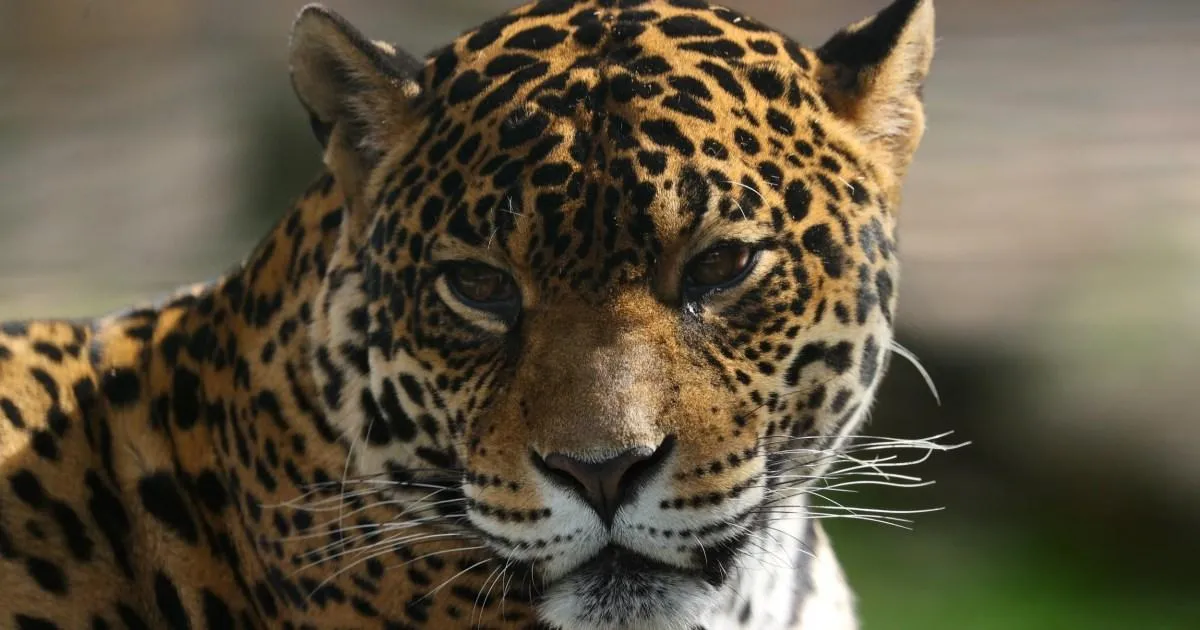
The two leopards involved in the attack are Persian leopards, a subspecies known for their power, agility, and predatory instincts. They were brought inside because of the weather, a common practice that unfortunately placed them and the keeper in close proximity. Despite the severity of the incident, the park has made it clear that the animals will not be put down. A spokesperson told local broadcaster Omroep Brabant that the leopards had been behaving naturally and that they remain predators. This decision, while difficult for some to understand, reflects a philosophy held by many in the zoological community: that animals cannot be blamed for acting on their instincts, especially when they are startled, threatened, or simply reacting as their wild nature dictates. The leopards are not villains in this story; they are animals living in captivity, and the park’s decision to spare them suggests a commitment to their welfare and to the broader mission of conservation. Still, one cannot help but wonder if the keeper’s decades of experience gave her a false sense of security, or if there were warning signs that went unnoticed. These are the questions that will haunt those who loved her and those who worked alongside her.
To understand the depth of this loss, it is important to know who the keeper was. She began working at Beekse Bergen when she was just seventeen years old, a teenager with a dream and a love for animals that would shape her entire life. Over the next forty years, she spent her career at the park, sometimes on and sometimes off, but always connected to the place she clearly considered a second home. Her journey from a young newcomer to an experienced zookeeper is a testament to her passion, her resilience, and her deep understanding of the creatures in her care. For four decades, she showed up day after day, not just to perform a job but to nurture and protect the animals that relied on her. Her colleagues likely saw her as a mentor, a friend, and a pillar of the park’s community. The statement from Beekse Bergen said, “Her passing has deeply affected us all, and our hearts go out to her family, friends, and loved ones.” Those are more than just words; they reflect the void her absence leaves behind. In an effort to honor her memory, the park has announced it will create a memorial area where visitors and staff can pay their respects and leave messages of condolence. It is a small but meaningful gesture, a place where grief can be shared and her legacy can be remembered.
As we reflect on this tragedy, it is impossible not to think about the inherent risks that zookeepers face every day. They walk into enclosures with animals that are beautiful, majestic, and undeniably wild. They form bonds with these creatures, learn their personalities, and care for them with a tenderness that often goes unnoticed. But no matter how much trust is built, there is always an element of unpredictability. A sudden noise, a shift in mood, or an instinctual reaction can turn a routine interaction into a life-threatening situation. This keeper knew that better than most, having spent forty years in the field, yet she still gave her life doing what she loved. Her death is a profound loss not only for her family and friends but for the entire zoological community. It is also a call to action, a reminder that safety must always come first, even in environments where familiarity and experience can breed complacency. But above all, her story is one of devotion. She dedicated her life to animals, and in the end, she lost that life in their presence. May she rest in peace, and may her memory inspire a renewed commitment to protecting both the people who care for wild animals and the animals they so selflessly serve.