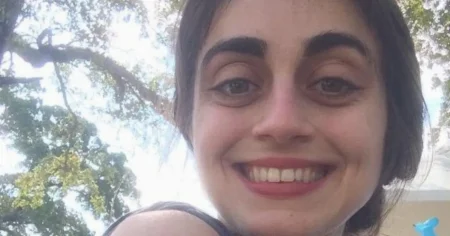

In the pale, grey light of a St Petersburg morning, a young woman in a thin dressing gown stumbled barefoot across the cold pavement, her feet bloodied and her hands shaking. Anastasia Kycheva had just escaped through the ground-floor window of her flat in the Solnechny Gorod district, fleeing from the man she had once loved and trusted. She was covered in blood, her body bruised and terrified, but her mind was fixed on one thing: her baby. When she found a passerby, she did not ask for help for herself. She simply gasped the words that would shatter the quiet of the neighbourhood: “He killed my child.” Those words, raw and unadorned, would soon summon a police response that uncovered a scene so grim it felt almost unreal. Inside the flat, investigators found the body of her one-year-old son, Sasha, hidden in a fridge-freezer. Nearby was the body of Alla Pidzhakova, Anastasia’s 58-year-old mother, who had also been killed. The suspected perpetrator was Dmitry Nakaryakov, a 40-year-old teacher and former soldier who had fought in Ukraine. He was already gone, vanished into the vast Russian landscape, leaving behind a trail of horror, grief, and a note that accused Anastasia of infidelity.
The story of what led to that terrible morning is one of love twisted by war, jealousy, and a descent into violence that no one around them seemed to fully anticipate. Dmitry Nakaryakov and Anastasia Kycheva had worked together as teachers at the same school, building a life that seemed ordinary enough from the outside. They were colleagues, then partners, then parents to little Sasha. But something shifted when Nakaryakov decided to go to war. He later told those around him that he wanted to “prove to himself that he was worth something,” a phrase that suggests a deep insecurity, a man wrestling with his own sense of failure and inadequacy. The war in Ukraine, with its relentless violence and moral chaos, did not heal that wound; it likely deepened it. When he returned home, he was not the same man. The suspicion took root in his mind that Anastasia had been unfaithful, and he began to claim that Sasha was not his biological son. The note left in the flat, placed near the child’s body, was a chilling artefact of that obsession: it accused Anastasia of cheating. In his warped mind, these accusations justified the horrifying act of killing a toddler and his girlfriend’s mother. But no delusion can soften the reality: a baby who had barely begun to live was dead, hidden in a freezer like an object, and a grandmother who had come to help her daughter had been silenced forever.
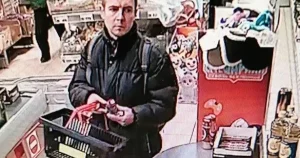
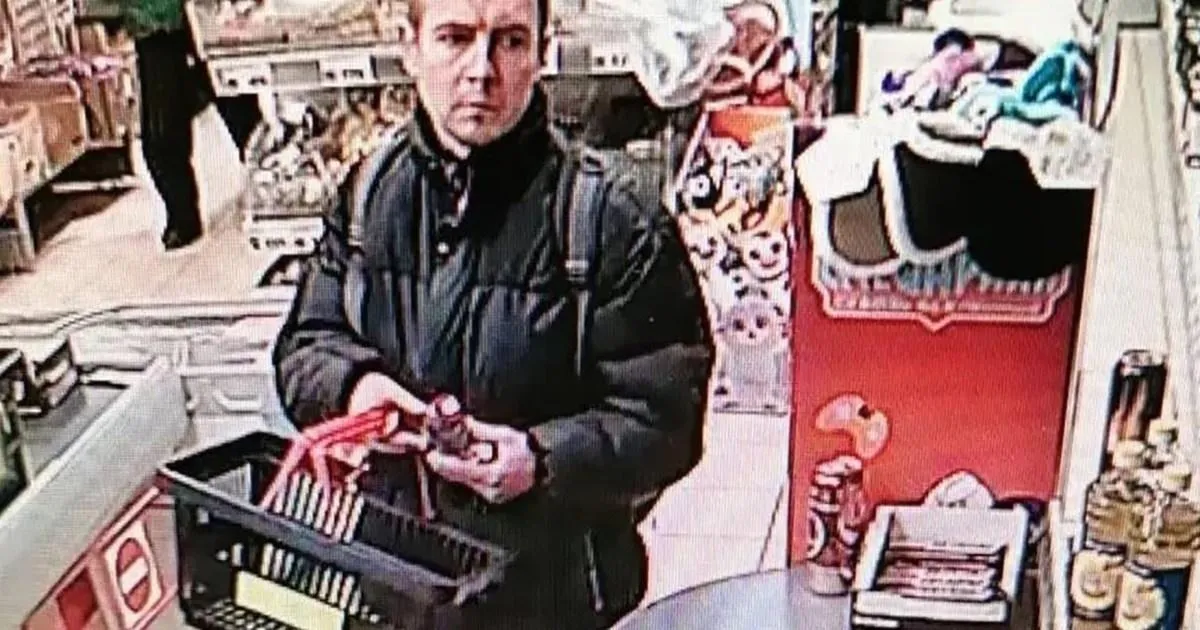
Now a manhunt is underway across northwestern Russia, with police scouring towns, roads, and forests for a man who seems to have vanished into thin air. The last confirmed sighting of Nakaryakov came from a shop in the small village of Druznaya Gorka in the Leningrad region, where security cameras captured him calmly buying alcohol. That image is haunting: a man who had just committed an unspeakable crime, stopping off for a bottle, as if he were simply running a mundane errand. He did not look like a man in the throes of panic. He looked composed, almost casual, which only made him more dangerous. Local residents in the areas where he is believed to be hiding have expressed fear, saying they are afraid to leave their homes until he is caught. There is a particular kind of dread that settles over a community when a killer is on the loose, especially one with military training and a proven capacity for violence. Police have set up checkpoints, searched abandoned buildings, and appealed for information, but as the hours turn into days, the chances of finding him quickly are fading. His background as a soldier means he knows how to survive outdoors, how to avoid detection, and how to move without leaving a trail. The cold, dark landscape of the Russian winter provides both a hiding place and a threat, and for the families involved, every hour of uncertainty is an unbearable extension of their pain.
To understand Nakaryakov, one must understand the world he came from before the violence. He was a teacher, someone entrusted with the care and education of children, a profession that requires patience, empathy, and a certain faith in the future. That he ended up accused of killing his own son and his partner’s mother is a jarring contradiction that speaks to the transformative power of war. When he left for Ukraine, he was likely seeking purpose, validation, or perhaps an escape from the monotony of civilian life and the weight of his own doubts. But the front lines of a brutal conflict do not offer easy redemption. They offer trauma, exposure to death, the erosion of moral boundaries, and often a simmering rage that follows a soldier home. In Russia, President Vladimir Putin has celebrated returning fighters as the “new elite,” portraying them as heroes who have risked everything for their country. But the reality on the ground is far more complicated. Many veterans return with post-traumatic stress, substance abuse issues, and a deeply ingrained volatility that can explode in the most intimate settings. The home becomes another battlefield. The partner becomes the enemy. The child becomes a casualty of a war that was never supposed to reach them.
Nakaryakov is not an isolated case, according to research that has painted a chilling picture of life in Russia after the invasion of Ukraine. A study published by Vyorstka at the end of last year found that returning Russian servicemen have been linked to the deaths of at least 500 people since they came home from the front. Another 465 people survived serious injuries at the hands of veterans, many of them women and children. These are not abstract statistics; they are families shattered, neighbourhoods terrorised, and futures erased. The study’s authors warned that the true numbers are likely far higher, because many crimes never reach court, are never reported, or are quietly dropped from official records. The reasons for this are complex: fear of retaliation, distrust of authorities, and a culture that often discourages victims from speaking out, especially against those who are seen as national heroes. The image of the returning soldier as a defender of the motherland is powerful, and it can shield those who commit terrible acts from accountability. But the bloodshed happening inside Russian homes is as real as the bloodshed on the battlefield, and it is a direct consequence of the war that Putin has unleashed. The government may frame these men as warriors to be honoured, but the evidence suggests that many of them are carrying the war back into civilian life, leaving behind a trail of grief that is no less devastating for being hidden behind closed doors.
As the search for Nakaryakov continues, one cannot help but think of the victims at the centre of this story. There is little Sasha, a one-year-old boy whose life was just beginning, whose first steps and first words should have been celebrated, not mourned. There is Alla Pidzhakova, a mother and grandmother who likely came to protect her daughter and was killed for her trouble. And there is Anastasia Kycheva, a young woman who lost her son, her mother, and any sense of safety in a single, horrifying moment. She escaped through that window with nothing but a dressing gown and a desperate need to tell someone what had happened. Her act of survival, barefoot and bleeding on the cold ground, is a small testament to human resilience. But it is also a reminder of how fragile ordinary life can be. The man who did this was once a teacher, someone who stood in front of a classroom and shaped young minds. Now he is a fugitive, buying alcohol from a village shop, running from what he has done. Even if he is caught and brought to justice, the damage cannot be undone. The grief will remain, a permanent scar on the lives of everyone who loved these victims. And though his story is extreme, it is also disturbingly common in a country where thousands of men have returned from war carrying invisible wounds that all too often turn outward into violence. The tragedy in St Petersburg is not just the story of one broken man or one shattered family. It is the story of what happens when a nation sends its people to war and then fails to help them heal when they come home. Until that changes, more women will flee barefoot into the cold, more children will hide in freezers, and more communities will hold their breath, afraid to go outside until the next soldier is caught.