


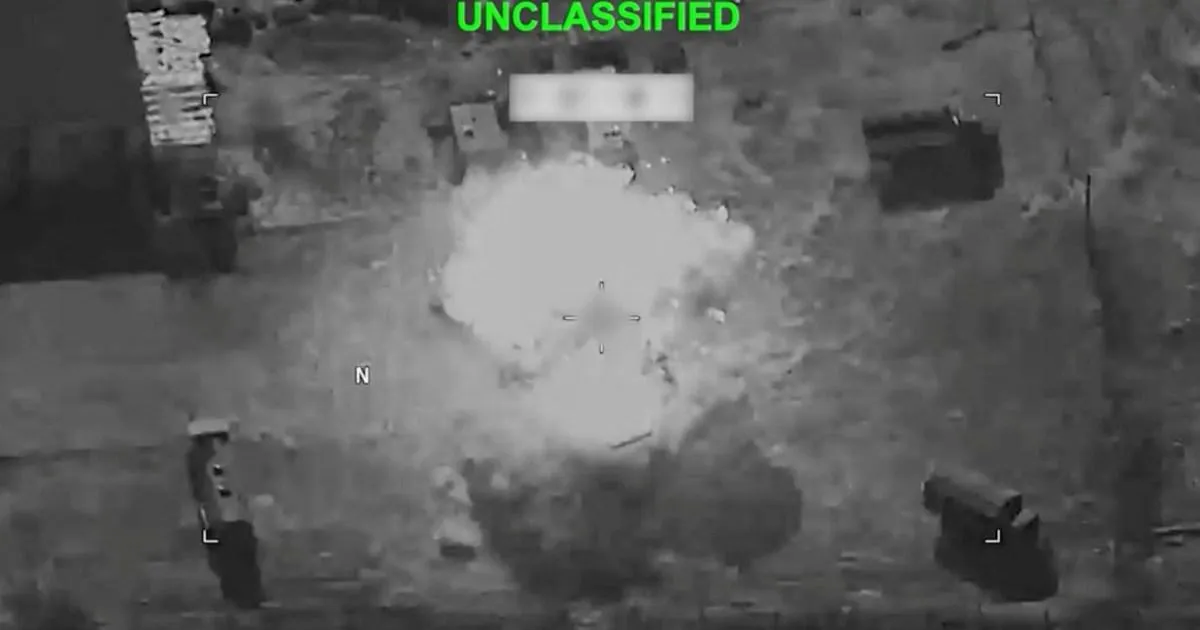
The Middle East is teetering on the edge of a broader conflict as the United States launched a massive, coordinated aerial offensive against various Iranian military targets. Following a series of provocations—most notably a deadly strike on a U.S. base in Jordan—the U.S. Central Command initiated a two-hour “heavy wave” of bombings. These raids were surgical yet extensive, aiming at the heart of Iran’s military infrastructure, including command centers, advanced missile silos, and drone-launch facilities. The intensity of this response reflects a shift in American posture, moving from restrained diplomacy to a direct show of force intended to reassert dominance in a region where tensions have been brewing for months.
The political rhetoric fueling this escalation has been as explosive as the ordinance itself. President Donald Trump, visibly frustrated by the persistent targeting of American service members, recently signaled a departure from his previous hesitation to engage directly. Vowing a disproportionate response, he made his intentions clear: the era of reactive, limited engagement was over, and the U.S. was ready to apply overwhelming force in retaliation. This aggressive stance was quickly translated into action, resulting in significant casualties on the ground, including reports from Iranian state media of fatalities on the island of Qeshm.
Beyond the immediate military exchange, the conflict is beginning to bleed into new territories, complicating an already volatile landscape. A significant development occurred midweek when U.S. forces partnered with Saudi Arabia to strike Iran-backed militias based in Iraq. This move was a tactical response to drone attacks on Saudi oil assets, but it holds larger diplomatic weight: it marks the first time Riyadh has stood alongside Washington in an overt combat role. This shift suggests that the war, which many hoped would remain contained, is dragging regional neighbors further into the fray, effectively transforming a localized struggle into a multilateral crisis.
As the violence spreads, the economic fallout is becoming impossible to ignore. Global markets reacted sharply to the news, particularly regarding the security of energy supplies. Brent crude futures, the global benchmark, spiked by over 8%, pushing prices toward and beyond the $90-per-barrel mark. This economic volatility highlights the fragility of the current situation; as tankers and port facilities become potential targets—including a reported drone attack on a U.S.-owned gas ship in Egypt—the risk to the global supply chain has surged. What happens in the Strait of Hormuz is no longer just a Middle Eastern concern; it is a direct threat to the financial stability of nations around the world.
The human element of this crisis is weighed heavily by the persistent insecurity of a five-month-long conflict that seems to have no clear exit strategy. There is a palpable sense of fatigue among the American public, who are increasingly wary of being drawn into yet another protracted regional war. Military officials are also contending with the logistics of a strained stockpile, as the constant demand for sophisticated munitions begins to deplete resources intended for broader national defense. This “war of attrition” is testing the endurance of U.S. forces and the patience of political leaders who are struggling to contain a wildfire that continues to jump from country to country.
Ultimately, the situation remains in a state of precarious flux. While oil prices showed a slight retreat by Thursday, the threat of an “all-out war” looms larger than it has for months. The involvement of Egypt as a potential new front, combined with the hardening resolve in the Oval Office and the Iranian regime’s determination not to back down, creates a dangerous feedback loop. As both sides trade blows, the hope for de-escalation seems increasingly distant. The coming days will likely be defined by whether this latest wave of strikes serves as a final warning or merely the opening chapter of a much darker and more extensive chapter in Middle Eastern history.