
Here is a humanized summary of the report in six paragraphs.
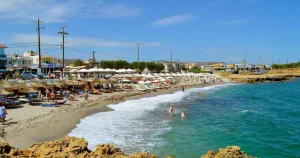
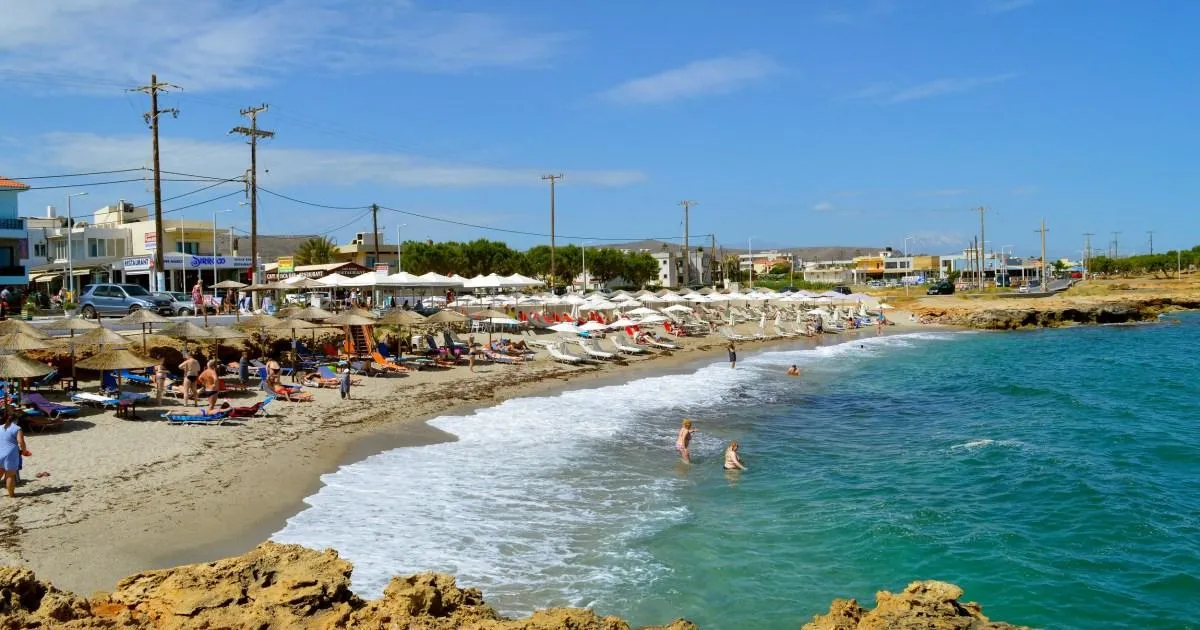
There are moments on a summer holiday that seem immune to tragedy, moments when the sun is warm, the water is inviting, and the biggest decision of the day is whether to swim or simply lie still. On Thursday afternoon, along the northern shore of Crete, such a moment turned into every family’s worst nightmare. A 60-year-old British tourist got into difficulty in the water off Kato Gouves beach, a popular stretch of sand within the municipality of Hersonissos. The man was seen struggling, and the joy of a Mediterranean afternoon dissolved into panic. He was pulled from the water unconscious, while those around him did everything they could to help. Emergency services rushed him to Heraklion General Hospital, the region’s main medical center, where doctors fought to save his life. But despite their efforts, he was pronounced dead. The news spread quietly at first, a local tragedy, then through media reports, a reminder to everyone who has ever stood at the edge of the sea that nature can shift from peaceful to perilous in seconds. The man’s identity has not been released, leaving the public to imagine the life behind the headline: a father, a husband, a friend, a traveler who may have arrived in Crete with a heart full of plans.
For the people who knew him, the loss is not a story but an unbearable reality. A man in his sixties, perhaps on the holiday of a lifetime, likely shared meals at a seaside taverna, listened to the waves, and laughed with loved ones just hours before tragedy struck. The sea at Kato Gouves is not usually known for danger; like so many Greek beaches, it offers calm, shallow beauty. Yet even the gentlest waters can hide risks, from sudden exhaustion to an underlying health condition that chooses the worst possible moment to reveal itself. This tourist may have been a strong swimmer, someone who had entered the water thousands of times before. It does not change the outcome. The beach, which continues to welcome visitors every day, now carries a shadow for those who watched the rescue unfold. Bystanders who helped pull him ashore will carry that memory with them for the rest of their lives. The paramedics who worked over him, the hospital staff who received him, the officials who will now investigate the circumstances, all of them are part of a chain of human response that began with hope and ended in grief. There is no official word yet on whether he had been swimming alone, or with companions, or what exactly went wrong. Such answers may come slowly, if at all.
The official response has now moved into the careful, procedural phase that follows any unexpected death. The Heraklion Port Authority has opened an initial investigation, and an autopsy is due to take place to determine the cause of death. These are standard steps, but they are also deeply human attempts to bring clarity to chaos. The family, wherever they are, must now face the terrible logistics that follow a death abroad, the phone calls, the travel arrangements, the documents, and the quiet moments of disbelief. At this stage, the UK Foreign Office has not been approached for consular support, according to the reporting, but that does not mean help will not be offered or requested in the coming days. Often, families need time simply to process before engaging with embassies and official channels. The inquiry will likely look at a range of factors: the condition of the sea that afternoon, the man’s state of health, whether there were any warning signs, whether lifeguards were nearby, and how quickly help arrived. A beach in Greece, in the height of summer, is a place crowded with joy, but it is also a place where a sudden medical emergency can happen to anyone. The phrase “got into difficulty in the water” appears in countless tragic reports, but behind those words lies a frantic struggle, a desperate rescue, and a life slipping away despite everything.
This is not the first time this summer that a British holidaymaker has died in Greek waters, and the pattern is a chilling one. Last month, a 34-year-old British man drowned near Marathonisi, a small island off the coast of Zakynthos, better known to visitors as Zante. He had got into difficulty in the water, and after being rescued, CPR was performed at the scene. He was taken to hospital, but his life could not be saved. That story, so similar to the one unfolding in Crete, speaks to a wider truth about the Mediterranean and the dangers that can lie beneath its glittering surface. The Greek islands are a dream destination, famous for their whitewashed villages, ancient ruins, and sapphire seas. But those seas are not always safe. Strong currents can drag a swimmer offshore, sudden drops can appear where the seabed seemed to continue, and the heat of the sun can exhaust a body that had seemed full of energy only moments before. Young or old, fit or fragile, anyone can be caught out. Each death sends ripples through the local community, where residents watch another visitor’s holiday end in heartbreak, and through the wider British public, who recognize the familiar names and picture the same beaches they have visited themselves.
Beyond Greece, the broader Mediterranean region has also become a stage for disaster this week. In Spain, deadly flooding swept through parts of the country, transforming roads into rivers and leaving communities underwater. Among the victims was a British man whose car, a Volvo, was swept away in the village of Olivella, nestled in the hills west of Barcelona. The force of the water was so great that his body was found roughly 500 meters from the vehicle, a brutal indication of how quickly the flood had overtaken him. The storms that hit Spain were part of a larger weather system that brought devastation to the region, catching residents and visitors alike off guard. For that man’s family, the loss is compounded by the suddenness of the disaster, the terrifying knowledge that he was driving along an ordinary road when nature turned violent without warning. His story, like the story of the 60-year-old in Crete and the 34-year-old in Zante, is a reminder that tragedy does not respect holiday plans. Whether it is the sea or the storm, the water can be unforgiving. The Mediterranean region is beloved for its beauty, but it is also a wilderness, wild and unpredictable. No amount of sunscreen or travel insurance can shield a person from fate.
And in the end, what can be said that offers any comfort? A British tourist went to Crete and did not come home. Another died in Zante. Another died in Spain. The beaches will continue to fill with tourists, the hotels will keep their doors open, and the sea will go on glittering under the same sun, because that is what the sea does. But for the families left behind, the world has changed forever. They will remember the holiday that became a tragedy, the last phone call, the last moment of ordinary life before everything broke apart. The authorities will complete their investigations, the autopsy report will be written, and perhaps the consular services will be called upon in time. Those procedures are important, but they cannot restore a life or heal a broken heart. What remains is human grief, carried by people who never expected to receive such news. As strangers reading these stories, we can offer only a small moment of recognition, a pause in our busy days to honor someone we never met. We can hold our loved ones closer and think, next time we stand at the edge of the ocean, about how powerful it truly is. We can remember that every statistic is a person with a name, a history, and a family who loves them. May the man who died at Kato Gouves rest in peace, and may all who loved him find some strength in the days ahead.