
Iran’s Nuclear Attack Preparedness: A Nation on Edge
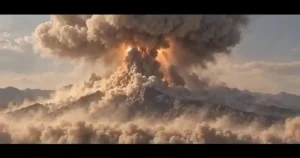
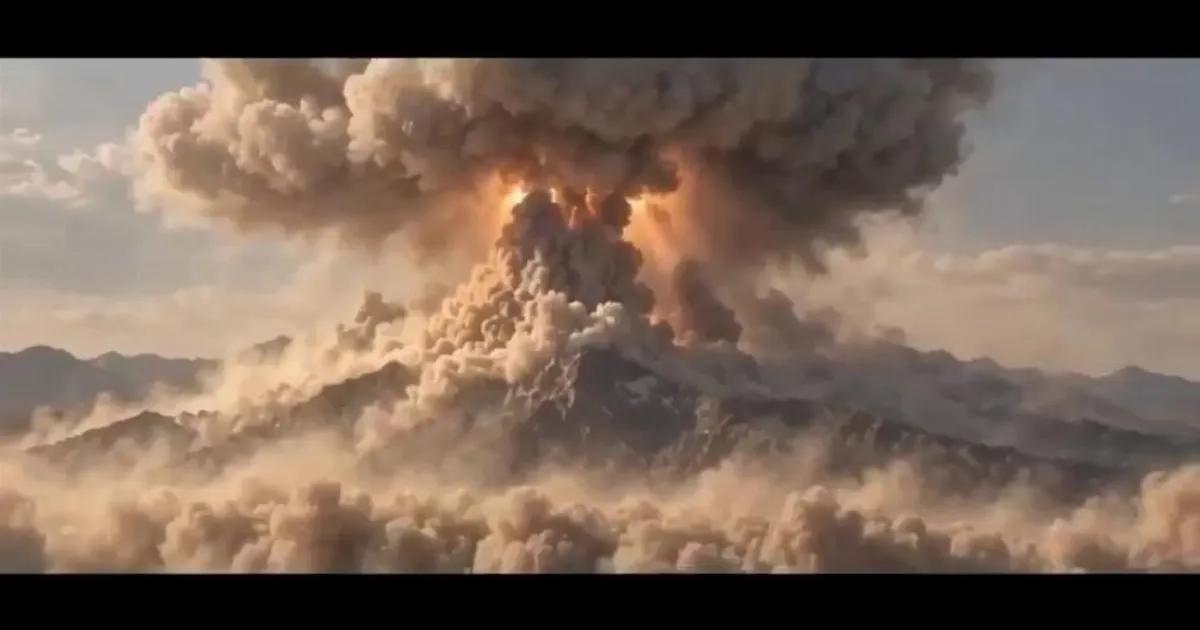
In an unprecedented move that has captured global attention, Iran’s state television has begun broadcasting an elaborate, AI-generated civil defense video designed to prepare its citizens for the unthinkable—a nuclear attack. The eight-minute instructional film, created using sophisticated artificial intelligence technology, represents a dramatic escalation in public messaging from the Iranian government. The video provides detailed, step-by-step guidance on survival techniques, from avoiding the initial flash of an explosion to proper decontamination procedures. This highly visual and emotionally charged presentation marks a significant shift in how the Iranian government is communicating potential threats to its population. The timing of this broadcast is particularly noteworthy, arriving amid escalating tensions between Iran, the United States, and Israel, and following claims from prominent American political commentators suggesting that military action against Iran could be imminent.
The video’s content is both practical and sobering, offering specific instructions that citizens would need to follow in the immediate aftermath of a nuclear detonation. Viewers are warned emphatically against looking at the light of the explosion, a crucial piece of advice given the potential for permanent blindness from the intense flash. The guidance continues with instructions to seek shelter immediately, moving away from exterior walls and windows that could shatter or provide inadequate protection from the blast wave. Once safely indoors, citizens are told to seal their safe spaces by closing all doors and windows, and critically, turning off all ventilation systems to prevent radioactive contamination from entering their refuge. The video then demonstrates the proper technique for removing and sealing outer clothing, which may have collected radioactive particles, before instructing viewers to shower thoroughly with lukewarm water and soap. The final piece of advice directs citizens to survive on bottled water and packaged food for at least 24 hours, allowing time for the most dangerous radiation levels to decrease.
This remarkable piece of emergency preparedness programming arrives at a moment of intense geopolitical tension, particularly following controversial claims made by former Fox News host Tucker Carlson. In a lengthy statement shared across social media platforms, Carlson asserted that the Trump administration could launch a nuclear strike on Iran within just days. According to Carlson, the target would be a specific location in central Iran, which he identified as picking up where some intelligence agencies claim the Iranian government has secretly restarted its nuclear enrichment program. The choice of this particular target is reportedly driven by the belief that conventional weapons in the American arsenal would be insufficient to penetrate the substantial granite mountain and reach deeply buried enrichment facilities. This assessment, if accurate, would leave nuclear weapons as the only viable military option, a prospect that has understandably generated significant concern and speculation across the international community.
The political context surrounding these claims is complex and deeply intertwined with domestic politics in both the United States and Israel. Carlson suggested that Israeli Prime Minister Benjamin Netanyahu has been aggressively lobbying for such an attack, placing immense pressure on President Trump. According to Carlson’s account, Netanyahu’s motivation stems from his precarious political situation, having lost his majority in recent Israeli elections. The prime minister reportedly faces the possibility of losing his position, dealing with investigations, and potentially facing legal consequences if he cannot maintain his grip on power. Carlson’s analysis suggests that Netanyahu sees a conflict with Iran as his best hope for political survival, creating a dangerous confluence of interests between a desperate foreign leader and an American president facing his own political challenges. With the US midterm elections approaching, Iran has emerged as a major talking point, with observers speculating about whether the administration might take dramatic action to shift the political narrative.
The situation has drawn reactions from various quarters, with experts and analysts weighing in on the plausibility of Carlson’s claims and the significance of the Iranian broadcast. Most defense and foreign policy analysts consider the likelihood of an actual nuclear strike on Iran to be extremely low, given the catastrophic humanitarian and geopolitical consequences that would result from such an action. However, the very fact that such discussions are taking place, coupled with the Iranian government’s decision to broadcast nuclear preparedness videos, speaks to the heightened state of anxiety and tension that currently characterizes international relations in the region. The use of artificial intelligence to create the Iranian civil defense video adds another layer of complexity, raising questions about the purpose and messaging behind this technological choice. Some analysts suggest it may be intended to convey seriousness and modernity in their preparedness efforts, while others interpret it as a propaganda tool designed to rally domestic support and present the regime as protective of its citizens in the face of external threats.
At the heart of this unfolding situation lies a deeply human story of fear, political calculation, and the terrifying reality of nuclear brinkmanship. For ordinary Iranians, the broadcast serves as a stark reminder of the potential consequences of escalating international tensions, transforming abstract geopolitical disputes into immediate, personal concerns about survival. The video’s practical instructions—closing windows, removing clothing, showering carefully—represent a chilling acknowledgment that civilian populations would bear the brunt of any nuclear conflict. For American and Israeli citizens, the political debates and strategic calculations have real-world implications as well, affecting everything from international relations to economic stability. The competing narratives—Iran’s state media presenting itself as responsibly preparing its citizens, while American commentators speak of military options—create a confusing and frightening information landscape. In this environment, distinguishing between credible threats, political posturing, and genuine preparedness efforts becomes increasingly difficult, yet the stakes of getting these assessments wrong could not be higher. As the international community watches these developments unfold, the human cost of political decisions becomes ever more apparent.