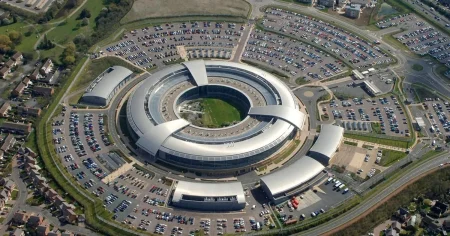



Imagine walking into your local supermarket on an ordinary Tuesday, only to find the frozen food aisles eerily quiet, the glass doors fogged up, and the freezers humming a strange, unfamiliar tune. The frozen pizzas are soft, the ice cream is melting, and staff are hurriedly taping off sections while muttering something about a “computer problem.” It sounds like a minor inconvenience, maybe a maintenance issue. But behind this scene lies something far more unsettling: a deliberate cyberattack that reached into the heart of Europe’s food supply chain. British officials have now issued a stark warning that the same could happen here, and they are telling ordinary people to be ready. The chief executive of the National Cyber Security Centre, or NCSC, which is part of the UK’s intelligence agency GCHQ, has urged Brits to stock up on basic necessities after a wave of cyberattacks hit supermarket freezers and refrigerators across Europe. This is not science fiction. It is not the plot of a paranoid thriller. It is real, it is happening now, and it has prompted the UK’s intelligence and security agencies to work through the night, alerting organisations that might be exposed to similar attacks. The advice is simple, practical, and perhaps a little uncomfortable: we should all have a stash of essentials at home, because the digital world we rely on so completely can fail in ways we never expected.
At the heart of this wake-up call is Dr Richard Horne, the CEO of the NCSC, who has admitted that there have already been a couple of instances in the UK where “vulnerable technology has been exploited” following the cyberattacks in Europe. The attacks did not just make some freezers stop working; they switched them into defrost mode, meaning food that was meant to stay frozen began to thaw, and the consequences could ripple through the entire supply chain. Horne was honest about the uncertainty, saying, “We don’t know the full impact, but we can see there are a couple of instances where vulnerable technology has been exploited, and we will be working with those organisations to understand more.” That honesty is both reassuring and terrifying. It tells us that the people in charge are paying attention, but it also reminds us that they do not have all the answers. The vulnerable technology is everywhere, not just in supermarket aisles but throughout the whole food supply chain, from cold storage warehouses to delivery trucks to the fridges in our own kitchens. The NCSC has been alerting a handful of UK organisations where they can see exposed, vulnerable technology, and they are aware of some impacts already. The phrase “whole food supply chain” is key. This is not just about a single shop losing a few frozen goods. It is about a chain of interconnected systems that we all depend on for the food we eat every day. When one link breaks, the consequences can be felt far beyond the freezer aisle.
The official advice to stockpile supplies may sound dramatic, but it comes with a practical, calm energy that is more about resilience than panic. The Defence Secretary had already urged people to gather necessities, and Dr Horne reiterated that warning, pointing out that criminal attacks on retailers hit the UK last year and that similar attacks are happening across Europe. The idea is not to empty supermarket shelves or hoard goods in fear, but to have enough basic supplies to ride out a short disruption. Think of it like having a torch and spare batteries during a storm, or a first aid kit in your car. It is just sensible preparedness. For decades, we have become used to the idea that food will always be there, that the lights will always come on, that the computer systems running our world will simply keep working. But the recent events in Europe have shattered that illusion. If a cybercriminal can remotely switch off a supermarket’s cold storage, they can disrupt the flow of food in ways that affect millions of people. GCHQ has been alerting organisations across the UK that could be at risk, working through the night to identify exposed systems and alert them before they are hit. It is a quiet, urgent race to protect the invisible infrastructure that keeps our society running. And yet, the advice to stockpile is not about giving in to fear. It is about acknowledging that we live in an interconnected world where technology, for all its wonders, can also be a vulnerability. Being prepared is not a sign of weakness; it is a sign of maturity.
Perhaps the most unsettling voice in this discussion is security expert Will Geddes, who told Metro that the NCSC’s report, which suggested a potential attack on critical national infrastructure within two years, actually underestimates the threat. He did not mince words: “AI-boosted attacks on critical national infrastructure could happen within the next two months,” he warned, explaining that artificial intelligence is being used in so many different ways that the danger is evolving faster than our ability to defend against it. His words carry a chilling weight. We have watched AI transform how we work, create art, and communicate, but we rarely stop to think about how it can be weaponised. GCHQ, he says, is warning the UK to get a grip on this now because if we do not, we are going to find ourselves in a worse situation down the line. The threat is so great that the public needs to understand a fundamental paradox: technology is simplifying our lives, but it is also making us more dependent on systems we do not control. Geddes made this vividly real with a simple question: “Think about it – pick your partner and your two best friends; can you, off the top of your head, recount what their telephone numbers are?” Most of us cannot. We used to be able to. We are so reliant on technology that we do not actually think about what we would do if it goes down. Those numbers are stored in phones, backed up in clouds, and accessed through a flick of a thumb. We have outsourced our memory, our schedules, our money, and even our food supply to digital systems. And when those systems are attacked, we are left vulnerable in ways that our grandparents would never have imagined.
So what does being prepared actually look like in a world where AI-powered cyberattacks could strike in weeks rather than years? It starts with acknowledging that we are not helpless. Individuals can take small steps to build resilience: keep a supply of non-perishable food and bottled water, make sure important documents and phone numbers are written down somewhere safe, update devices regularly, and use strong, unique passwords. But the bigger responsibility lies with organisations and governments. The NCSC’s work to alert UK organisations with exposed technology is an essential part of the defence. The food supply chain is only as strong as its weakest link, and that means every cold storage facility, every supplier, every retailer must take cybersecurity seriously. This is not just an IT issue; it is a national security issue. When GCHQ warns that vulnerable technology is being exploited, it is a reminder that the boundaries between physical and digital threats have dissolved. A cyberattack on a freezer is not just a data breach. It can lead to food waste, empty shelves, lost income, and public panic. It can undermine trust in the systems that feed us. It can even threaten public health if medications that need cold storage are affected. The expert advice to stockpile essentials is not about buying into fearmongering. It is about building a buffer of safety, a cushion that can absorb the shock of disruption. And it is about shifting our mindset from passive consumers to active participants in our own resilience. We cannot control the actions of cybercriminals or rogue states, but we can control how prepared we are to face the consequences.
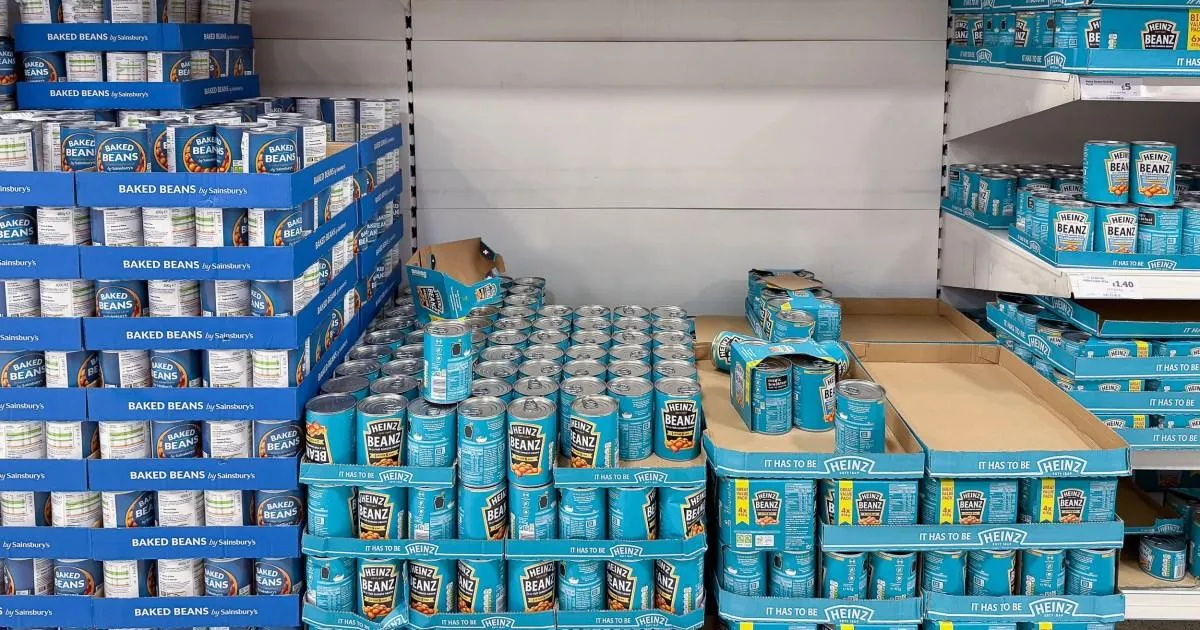
In the end, this is a story about fragility, but also about human adaptability. We have faced threats before, from wars to pandemics to natural disasters, and we have learned to adapt and prepare. The cyber threat is different because it is invisible and constantly evolving, but it is not invincible. The fact that GCHQ is working through the night to alert vulnerable organisations, the fact that experts are speaking openly about the risks, and the fact that leaders are urging us to stockpile basics all point to one thing: we still have time to prepare. We still have the ability to act. So yes, by all means, stock up on some canned goods and a few extra bottles of water. Write down the phone numbers of the people you love. Talk to your neighbours about what you would do in an emergency. But do not stop there. Push for stronger cyber defences, support regulations that require companies to protect their systems, and hold leaders accountable for safeguarding critical infrastructure. The next time you walk past a row of freezers in a supermarket, take a moment to appreciate the miracle of modern supply chains, and also the fragility behind them. Those humming machines are not just cold boxes keeping peas frozen. They are symbols of a world that is technologically brilliant, deeply interconnected, and vulnerable in ways we are only beginning to understand. We can either bury our heads in the sand or we can prepare with open eyes. The choice is ours, but the time to make it is now.