


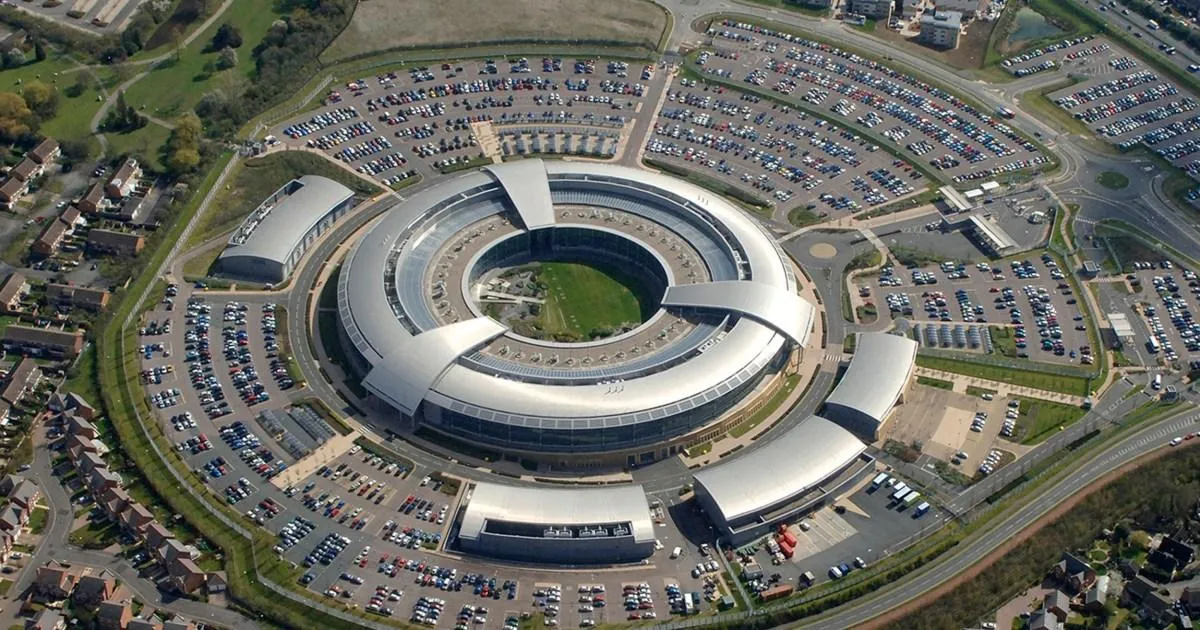
The United Kingdom is currently navigating a critical juncture in its digital history, with the nation’s top cyber security official issuing a stark warning about the convergence of artificial intelligence and state-sponsored aggression. The National Cyber Security Centre (NCSC), a key component of the UK’s intelligence agency GCHQ, has released its annual report, painting a sobering picture of the future. The report suggests that within the next two years, the country could face AI-boosted attacks on its most essential services, from the power grid to water supplies. This is not merely a technological arms race; it is a fundamental challenge to the way the nation lives, works, and relies on the invisible infrastructure that powers modern society. The threat is no longer hypothetical; it is a clear and present danger that demands immediate attention and a national shift in how we perceive and manage our digital vulnerabilities.
The head of the NCSC, Dr. Richard Horne, is set to deliver this warning, framing the UK’s position as a ‘Sliding Doors’ moment, a reference to the 1998 film about how small decisions can lead to dramatically different futures. This metaphor is apt, as the choices made in the coming months will determine whether Britain fortifies its digital ramparts or leaves itself exposed to a cascade of cyber incidents. The core of Dr. Horne’s message, however, is a crucial re-framing of the problem. He will argue that the forthcoming surge in cyber attacks is not because AI has invented entirely new methods of attack, but because it has dramatically lowered the barrier to exploiting existing, long-tolerated vulnerabilities. For years, weaknesses in software and systems have been patched slowly or left unaddressed, relying on the fact that manual exploitation was time-consuming and required significant expertise. AI changes this calculus entirely. It can scan for these flaws at a speed and scale that is “once unimaginable,” turning a trickle of sophisticated attacks into a deluge of opportunistic digital assaults.
This warning is not being delivered in isolation. Security experts corroborate the NCSC’s assessment, with some suggesting the official timeline may be overly optimistic. Will Geddes, a security expert, has countered that AI-boosted attacks on critical national infrastructure could occur “within the next two months,” not just two years. This discrepancy between the official and independent timelines serves to highlight the urgency of the situation. The tools for both defense and offense are evolving at a breakneck pace. Companies are already using AI to perform “penetration tests” on their own networks, identifying weaknesses before malicious actors can exploit them. However, the same technology is being weaponized offensively, allowing attackers to automate the process of finding and breaching systems. This automation means that multiple attacks can be launched simultaneously, and they can be programmed to be relentless and repetitive, operating continuously without fatigue or the need for human intervention.
The primary concern centers on the UK’s critical national infrastructure—the systems that provide what experts call “life support.” This encompasses power grids, water treatment facilities, and the telecommunications networks that connect everything. The threat extends to hospitals and their ICU units, emergency services, and the communication systems we depend on daily. All of these run on internet interfaces, making them potential targets. A successful attack on any one of these systems could plunge the nation into darkness, both literally and figuratively. The NCSC’s annual report provides a tangible snapshot of the current threat level: its incident management team received 1,831 reports of cyber attacks over the past year, with 337 requiring direct support and 80 deemed nationally significant. Furthermore, the team proactively warned over 8,500 organisations that their systems had been compromised, a silent and unnerving reminder that the security of our digital lives is often far more fragile than we believe.
The sources of these threats are varied, but the report places significant emphasis on hostile nations, particularly China and Russia, who are poised to leverage AI to pursue their geopolitical goals. Dr. Horne is expected to highlight China as the state best positioned to use AI against the UK’s critical infrastructure, likely for espionage and data theft. Russia, on the other hand, is perceived as more likely to employ AI for acts of sabotage, aiming to cause physical disruption and damage. This distinction highlights the diverse motivations behind state-sponsored cyber attacks. To complicate matters further, these state actors frequently operate through third parties to maintain a level of plausible deniability on the international stage. This makes attribution difficult and response more complicated, blurring the lines between criminal enterprises and government-sponsored operations.
Ultimately, the message from GCHQ is a call to national awakening. The warning is being issued to the general public to counter our growing, and often unthinking, reliance on technology. It challenges us to consider a scenario where the technology we take for granted simply stops working. In a digital age where we no longer remember phone numbers of loved ones and rely on navigation apps to find our way, we have become incredibly vulnerable. The threat is not just about data breaches or financial loss; it is about the resilience of our society. The NCSC’s sobering report is a plea for collective action, urging individuals, businesses, and the government to take the threat seriously, to patch vulnerabilities, and to build a more robust digital foundation before the ‘Sliding Doors’ moment passes and the country finds itself on a path where our critical systems are compromised, not by an inevitable future, but by a failure of foresight and preparation in the present.