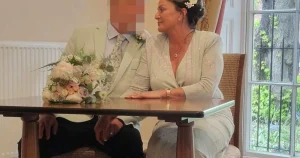



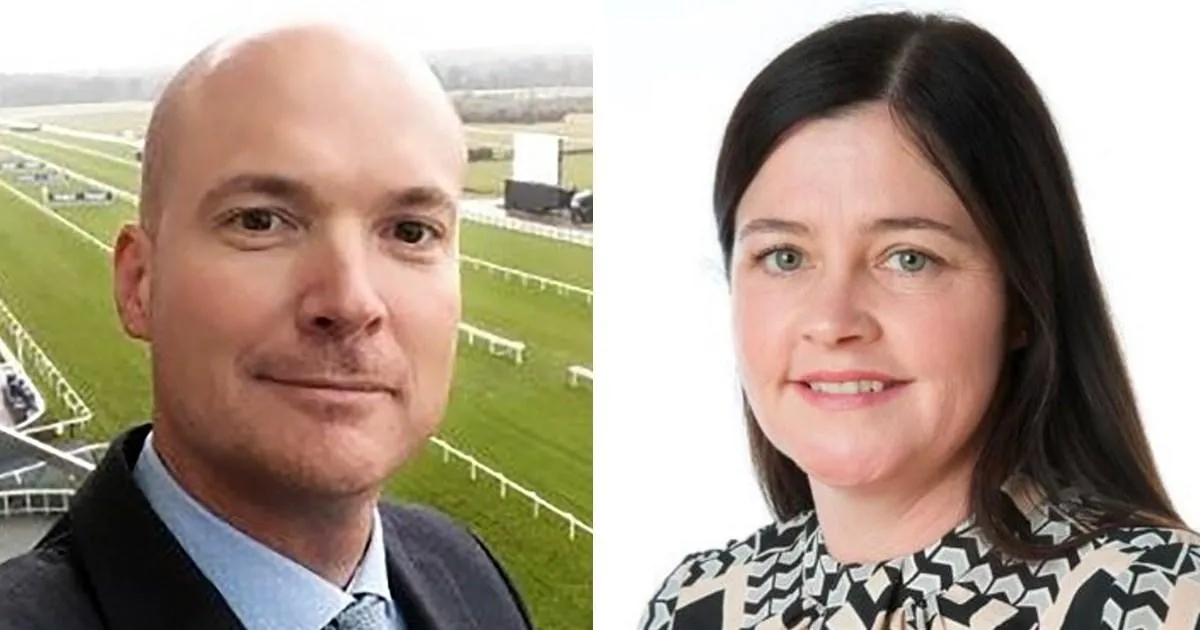
On a sun-drenched evening in Cullera, a seaside resort near Valencia, a family holiday that was meant to be filled with laughter and long, easy evenings turned into heartbreak. Thomasina Tobin, 51, and her husband Patrick “Paddy” Tobin, 48, were found dead at the villa they were renting with their teenage children on August 24. They had come to Spain together as a family, looking forward to the simple pleasures of sun, swimming, and time away from the routines of London life. Instead, something went terribly wrong in a hot tub that should have been nothing more than a place to relax. Local reports say postmortem examinations showed that both husband and wife suffered fatal heart stoppages after becoming trapped in the jacuzzi. But the exact chain of events remains a painful mystery. Did Paddy become exhausted from trying to free himself? Did Thomasina try to save her husband and lose her own life in the same terrifying seconds? Was there a sudden electrical charge in the water that made escape impossible? No answer can soften the loss. Their teenage children reportedly found their parents collapsed and alerted the owner of the villa, a moment so horrifying that no one should ever have to live through it. The rest of the world learned about the tragedy through news reports, but for those who loved this couple, the pain was immediate and deeply personal. A trip that should have become a treasure of memory has instead become an ending no one saw coming. In the days that followed, shock rippled through every community they had touched: Greenwich in London, where they had made their home; Ballintra in County Monaghan, where Thomasina’s roots lay; and New Zealand, where Paddy was born and where his parents watched the funeral through a webcam, thousands of miles away but bound to their son in grief. Rhea and Seamus, the couple’s two children, were suddenly left without the parents who had guided every step of their lives. It was almost impossible to believe that two people so full of energy and warmth could be gone in an instant.
To understand what was lost, one only had to listen to the way people spoke about Paddy and Thomasina. Thomasina was a chartered quantity surveyor and school governor, a woman who had carved out a respected place in a demanding profession. She was remembered as a very kind person, someone who knew the people who had helped her along the way and made a habit of passing that kindness on to others. She did not forget a favour or a friendly gesture; she repaid it through her own generosity, creating a ripple effect of goodwill around her. Her work took her to construction sites across London, where she wore a hard hat with the same ease other women might wear a scarf, and she balanced that professional life with the demands of motherhood. Paddy, by contrast, was a force of nature. New Zealand-born, he had been “always on the go” from the day he started walking. The congregation at his funeral heard how he loved sport growing up and tried everything: rugby, hockey, cricket, water polo, football, skiing and surfing. “I get tired even mentioning all those things,” the priest said. That restless energy never left him. He poured it into his family, into his friendships, into the home he and Thomasina built together in Greenwich. The couple created a lovely home, a warm and welcoming place that was open to relatives and friends. It was the kind of house where people felt immediately at ease, where conversation flowed easily and no one left hungry. They welcomed everybody into it on family visits and were generous in every way. Their two children, Rhea and Seamus, were at the absolute centre of their lives. Every decision, every sacrifice, every joyful plan was shaped by love for those children. Paddy and Thomasina did not simply share a house; they created a family, and that family was their greatest achievement.
On the day of the funeral, hundreds of mourners packed into Our Lady of Knock Church in Ballintra, County Monaghan. They came from London, from Ireland, from across the water and across the world, all carrying their own memories of the couple. The church could barely contain the crowd, and the overflow spilled out into the church grounds, a visible sign of how many lives had been touched. Canon Patrick McGinn stood before the grieving families with the difficult task of offering comfort where comfort seemed impossible. He called Paddy a devoted father and Thomasina a loving and lovely mum. He spoke of the lovely home they had created together in Greenwich and said that their children were the most important part of their lives. Those words were not empty eulogy; they were the truth that everyone in the church had seen in the way Paddy and Thomasina lived. The priest was honest about the limits of words in the face of such loss. “All we can do is huddle and grieve around the remains of shattered dreams and what might have been,” he said. The image was painful but precise: a family gathering around something that should have been beautiful, now broken beyond repair. He acknowledged that many questions had no answers. “We do have many questions, but we don’t really have many answers as to the whys of life,” he added. It was a reminder that even faith, with all its rituals and promises, cannot always explain the terrible things that happen. What the community could do, he suggested, was stand together. And they did. The atmosphere inside the church was heavy with grief but also alive with solidarity. People reached for each other’s hands, whispered prayers, and wrapped the family in a collective embrace that said: you are not alone.
The funeral service was filled with small, powerful symbols that spoke to the lives the couple had led. The offertory gifts were carried to the altar, each one carrying meaning beyond its simple appearance. Among them was a photograph of Paddy and Thomasina with their children, an image that represented the family they had created together and served as a reminder that Rhea and Seamus were at the heart of their parents’ lives. There was also a sacred Pounamu greenstone from New Zealand, a stone that embodies strength, spirit and the deep connection between people and the land. For Paddy, who was born in New Zealand and whose parents watched the funeral through a webcam from thousands of miles away, the greenstone was a link to his homeland and to the family who could not be present in person. The final gift was perhaps the most personal: a hard hat worn by Thomasina on construction sites in London. It spoke not only of her career as a chartered quantity surveyor but of the many roles she had carried with grace: professional, mother, wife, friend, school governor. These three objects, placed on the altar, told the story of two people who lived fully and loved deeply. Thomasina’s brother, John McArdle, later stood before the congregation to offer his thanks. He expressed gratitude to the clergy and to everyone who had offered support in the days since the double tragedy, and he asked that any donations be made to the Kevin Bell Repatriation Trust. That charity, which helps families bring home the bodies of loved ones who have died abroad, was a fitting choice. It came from the family’s own painful experience and their desire to spare other families the same anguish, turning grief into compassion and ensuring that some good would follow from their loss.
Behind the prayers and the eulogies lay a mystery that may never be fully solved. The postmortem examinations confirmed that both Thomasina and Patrick died from heart stoppages, but that medical finding only explains the final moment, not the terrifying minutes before it. How did two active, healthy people end up trapped in a hot tub on a summer evening in Spain? Local reports have offered theories, though none is conclusive. One possibility is that they became trapped in the jacuzzi and suffered physical exhaustion from trying to climb out, their bodies eventually giving out as they fought to escape. Another is that one of them was electrocuted and the other died while trying to save the person they loved. If an electrical current entered the water, there may have been no warning, no chance to react. And the instinct of a devoted spouse would have been to reach out, to pull the other to safety, even if that meant putting themselves in danger. The thought of that final protective gesture is agonizing, and yet it is also consistent with everything people knew about Paddy and Thomasina. They were partners in every sense, joined not just by marriage but by a deep and abiding commitment to each other and to their children. Father McGinn’s words about having questions without answers stayed with the mourners long after the service ended. The children who discovered their parents have been left with grief and with memories that no child should have to carry. There may be further investigations, but no technical report can undo what happened. The why may remain unanswered, and the family will have to learn to live with that uncertainty, carrying their love forward while acknowledging that some wounds never fully close.
In the end, what remains is not just a tragedy but a testament. The lives Thomasina and Patrick Tobin built together were defined by love, generosity and an unwavering commitment to their children. The funeral was not only a farewell; it was also a celebration of those qualities. Friends remembered Paddy’s boundless energy, his love of sport, his infectious enthusiasm. They remembered Thomasina’s quiet kindness, her professional strength, her ability to make people feel seen and valued. They remembered the couple together, opening their home in Greenwich to family and friends, creating a haven where laughter and conversation flowed freely. Their children, Rhea and Seamus, were the center of that world. Every memory, every story, every tribute led back to them. The hardest part is that they are now left to navigate life without their parents, supported by extended family, friends, and a community that has wrapped itself around them in solidarity. There will be future holidays, future milestones, future moments that should have been shared. The grief will resurface in unexpected ways: a familiar song, a favorite meal, the ache of seeing a peer’s parents at a school event. And yet the love their parents gave them will not disappear. It is woven into who they are, into the values they carry, into the resilience they will need in the months and years ahead. The family’s request for donations to the Kevin Bell Repatriation Trust speaks to their desire to protect others from the same pain, turning a private sorrow into public good. In that gesture, the spirit of Thomasina and Patrick lived on. As the congregation left Our Lady of Knock Church, the silence was heavy but not empty. It was a silence filled with memory, with unanswered questions, and with the determination of a grieving community to hold the family close. The road ahead will be long, and the why may never be answered. But the love that Paddy and Thomasina shared, and the love they poured into their children, is a light that no tragedy can extinguish.