


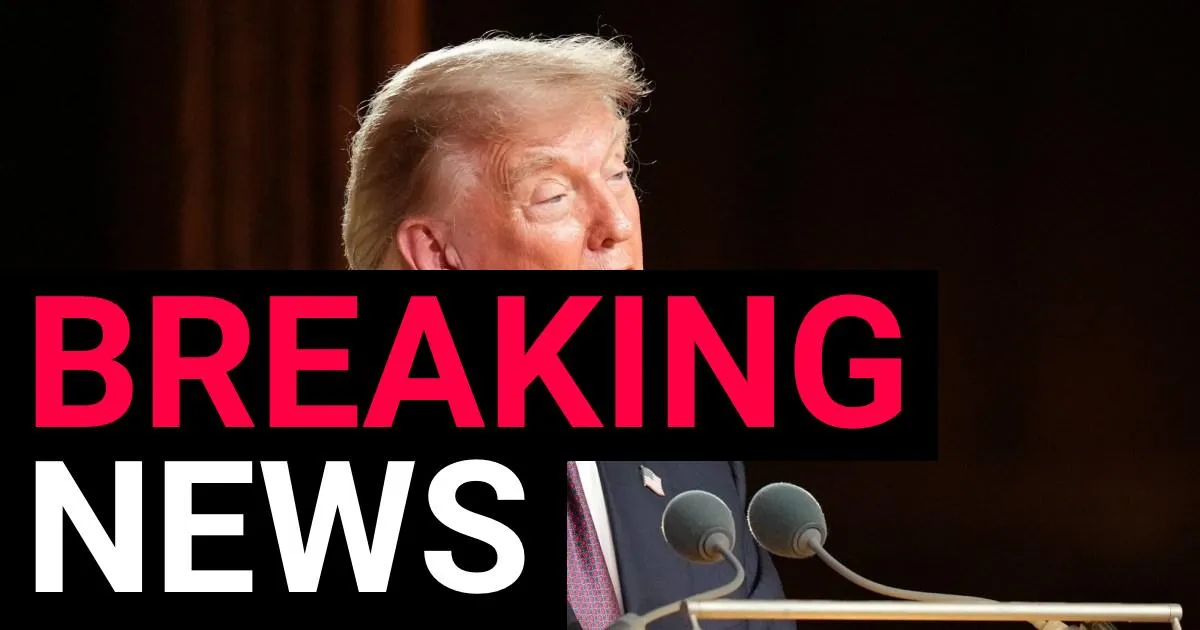
The escalating tensions between the United States and Iran reached a new, volatile peak this week following a direct missile strike on American forces stationed in Jordan. In a blunt and characteristically aggressive statement delivered on Fox News, President Donald Trump vowed that the U.S. would “beat the living daylights” out of Iran in response to this provocation. This latest clash is far from an isolated incident; it serves as a violent punctuation mark on months of simmering friction surrounding the Strait of Hormuz. As this vital global waterway becomes an increasingly dangerous theater for both cargo ship assaults and diplomatic deadlock, the rhetoric from the White House suggests that the era of measured restraint may be coming to a definitive end.
The specifics of the attack reveal a narrow escape for American personnel. U.S. Central Command confirmed that five Iranian missiles were launched in a surprise operation targeting the Muwaffaq Salti Air Base. Fortunately, through rapid defensive maneuvers and interception, the strikes failed to cause any casualties or significant structural damage to the base. Despite this successful defense, military officials have maintained a posture of extreme vigilance, noting that U.S. forces remain at a “high state of readiness.” This incident acts as a sobering reminder of just how fragile the status quo is, as military installations throughout the region remain on perpetual high alert for the next inevitable move in this dangerous game of brinkmanship.
The tone from the President has been nothing if not consistently combative. Earlier this month, Trump issued a stern warning to Tehran, demanding they “behave” and suggesting that future U.S. strikes would not focus on military targets alone. Instead, he signaled a willingness to cripple the country’s infrastructure by targeting critical bridges and power plants if the provocations continued. This shift in military strategy—moving toward the dismantling of essential civilian services—marks a significant departure from more traditional tactical strikes and highlights the intensity of the current administration’s resolve to force a confrontation on their own terms.
Beneath the geopolitical maneuvering lies a deeply personal and unsettling dimension to the conflict. Reports have surfaced that the Islamic regime has been actively encouraging its supporters to target the President’s family, going as far as to circulate guides on how to assassinate Melania Trump and her son. Such threats shift the conflict from a strategic military dispute into a highly emotional, personal vendetta. When the safety of a leader’s family is brought into the fold, it inevitably hardens the resolve of the administration, making the prospect of diplomatic de-escalation feel like an increasingly distant fantasy.
Remarkably, despite the bellicose threats to strike hard and the reports of targeted attacks against his own family, the President has left a fragile window open for dialogue. In the same breath that he promised a “beating” for Iranian forces, Trump noted that peace talks—however unproductive they may seem at this moment—will continue. By insisting that the U.S. is “going to let them keep talking,” the administration is attempting to balance the “big stick” of military superiority with the faint possibility of a diplomatic breakthrough. It is a precarious balancing act that suggests the U.S. is keeping its options open while simultaneously preparing for a significantly wider conflict.
As the situation continues to unfold, the world watches with bated breath, wondering if this cycle of violence can be broken or if it is destined to spiral into a broader regional war. The tension between the desire for overwhelming military superiority and the necessity of maintaining channels for communication is a hallmark of this administration’s foreign policy. With the Strait of Hormuz remaining a flashpoint and threats of retaliation echoing from both sides of the divide, the coming weeks will likely prove decisive. Whether through the failure of diplomacy or the success of surgical strikes, the path ahead holds the potential to reshape the security landscape of the Middle East for years to come.