



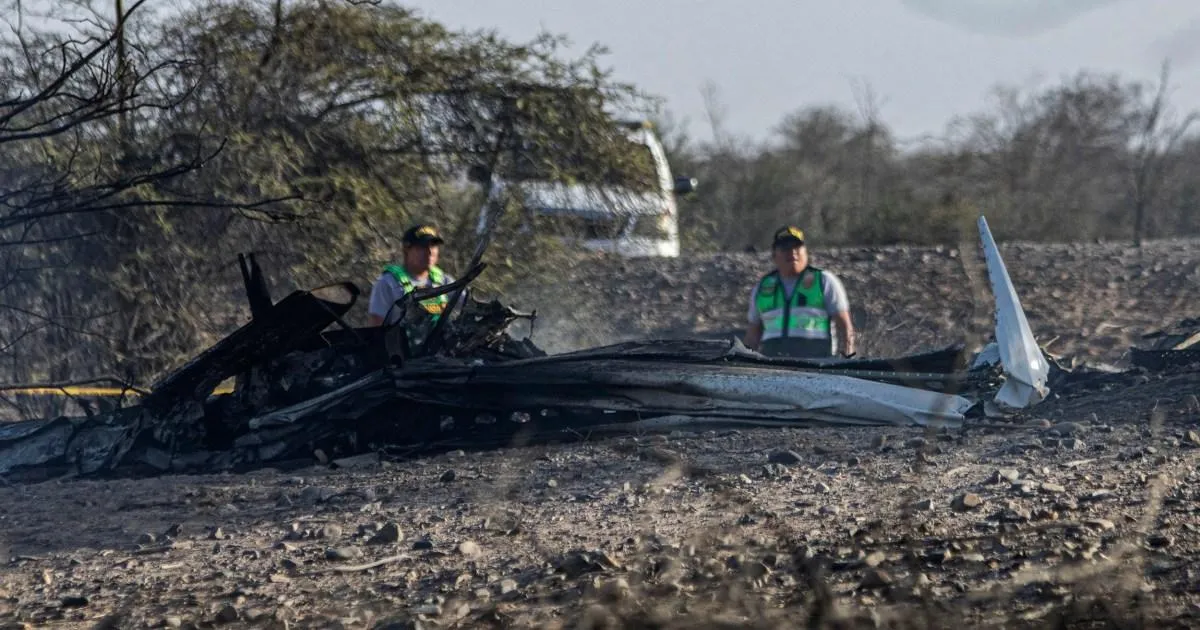
The quiet, arid expanse of the Nazca desert in Peru, usually a place of profound historical wonder, became the site of a devastating tragedy this past week. A tourist aircraft, tasked with carrying sightseers over the world-famous Nazca Lines, crashed in the Pueblo Viejo region shortly after departing from an airport in Pisco. The incident has sent shockwaves through the international community, as authorities confirmed that all thirteen people on board—eleven passengers and two crew members—tragically lost their lives in the accident. The sheer finality of the loss has left families and officials alike grappling with the abrupt end to what should have been a memorable excursion.
The passenger list reflects the truly global appeal of the Nazca site, featuring a diverse group of international travelers whose lives were cut short in an instant. Among the victims were seven Italian, two German, and two Spanish tourists, ranging in age from 18 to 78 years old. This wide demographic highlights the universal allure of the ancient geoglyphs, which draw visitors from every corner of the globe. As local authorities and emergency responders worked through the grim aftermath, the reality of the tragedy became clear: a flight meant to offer a glimpse into the mysteries of the past had concluded in a profound, modern-day heartbreak.
The Nazca Lines themselves are a marvel of human history, consisting of vast, intricate figures etched into the desert floor by a civilization that thrived in the region some 1,600 years ago. These massive geoglyphs—ranging from geometric shapes to depictions of animals like the 285-meter-long pelican—remain one of the most enigmatic archaeological sites on Earth. Because the true scale and artistry of these designs can only be fully appreciated from an aerial vantage point, sightseeing flights have become a cornerstone of the regional tourism industry. Since being named a UNESCO World Heritage site in 1994, the location has served as a bridge between the ancient world and the curiosity of modern explorers.
The scene at the crash site in the days following the accident was described as desolate and haunting. Images circulated in the aftermath showed smoke billowing from the twisted, barely recognizable wreckage scattered across the unforgiving sand. Police Major Jorge Andrade delivered the somber news to the press, confirming that there were no survivors. The recovery process began immediately, though the severity of the impact left little hope for any other outcome. For those on the ground in the Pueblo Viejo region, the sight of the ruined aircraft served as a stark reminder of the inherent risks that sometimes accompany the pursuit of world-class travel experiences.
Questions now linger regarding the circumstances that led to the crash, though a definitive cause remains elusive. It is known that wind conditions had been problematic in the days leading up to the disaster; sightseeing flights had been temporarily grounded the previous Friday due to high-speed winds exceeding 40 km/h and the resulting dust clouds, which can significantly impair pilot visibility. While it is unclear if these same environmental factors played a role in this specific flight, the airline operator, Aerodiana, is now at the center of a formal investigation. As investigators sift through the wreckage and analyze flight data, the primary objective remains to understand how such a sudden catastrophe could occur.
In the wake of this disaster, the local community and the Municipalidad Provincial de Nasca have expressed deep grief for the victims and their families. Official statements have been issued offering heartfelt condolences, acknowledging the profound suffering of those who were waiting for their loved ones to return home. For the families of the eleven passengers and two crew members, the Nazca desert will no longer be remembered solely for its ancient, beautiful mysteries, but as the final resting place of those they held dear. As the world mourns this tragic loss, the focus remains on supporting the bereaved and ensuring that the investigation provides the answers required to prevent such a heartbreaking event from ever happening again.