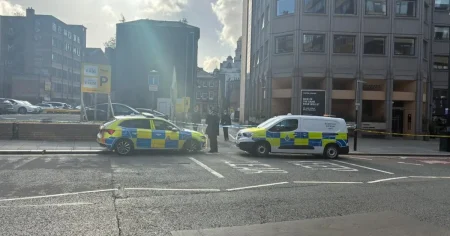


On an otherwise ordinary August afternoon in Southampton, the kind of afternoon that should be remembered for sunshine and errands and the soft sounds of a child’s contentment, a family’s world was suddenly turned upside down. A one-year-old boy, strapped safely into his pushchair, was doing what babies do — sitting quietly, perhaps watching the world go by, unaware of any danger. Then, in a terrifying flash, a dog lunged at him. The animal, reported to be a German Shepherd, targeted the child’s face before anyone could intervene. The little boy was left with two small puncture wounds and grazing across his delicate skin, injuries that, while they might sound minor on paper, are anything but when they happen to a baby. The shock of such an attack, the suddenness, the helplessness of a parent watching their child suffer harm, is impossible to measure. Police were called immediately, and the baby was rushed to hospital. The physical wounds were treatable, but the emotional echoes of that moment would linger far longer for everyone who witnessed it. Hampshire and Isle of Wight Constabulary later confirmed the child had been taken to hospital as a precaution, a phrase that offers little comfort to parents who know that any injury to a baby is a source of deep alarm.
The details of what happened in Shirley Precinct, a bustling area where families shop and children play, paint a troubling picture. The attack occurred at approximately 3.20pm on August 21, a time when the streets would still be busy with afternoon activity. According to police, the dog was wearing a soft mesh-style muzzle at the time of the incident. That detail is particularly striking, because it suggests the owner may have taken some measure of precaution, yet the animal still managed to bite the boy’s face. It raises unsettling questions about how a muzzled dog could cause injury, and whether the muzzle was adequate or properly fitted. It also underscores a broader truth: even the most well-intentioned precautions can fail, and animals, especially those with strong instincts, can act unpredictably in the blink of an eye. The young victim was left with puncture wounds and grazing, physical marks that may heal and fade, but the memory of the attack, and the fear of dogs that may develop in its wake, could stay with the child and his family for years. For the parents, no hospital trip can erase the moment they saw their baby’s face injured. For the community, the incident serves as a gravely uncomfortable reminder that danger can appear in the most mundane of settings, even when a child is safely strapped into a stroller.
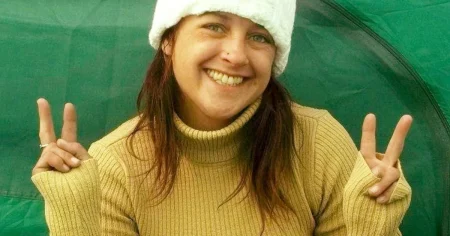
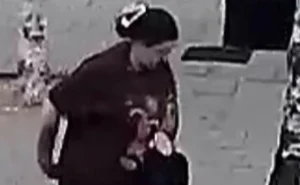
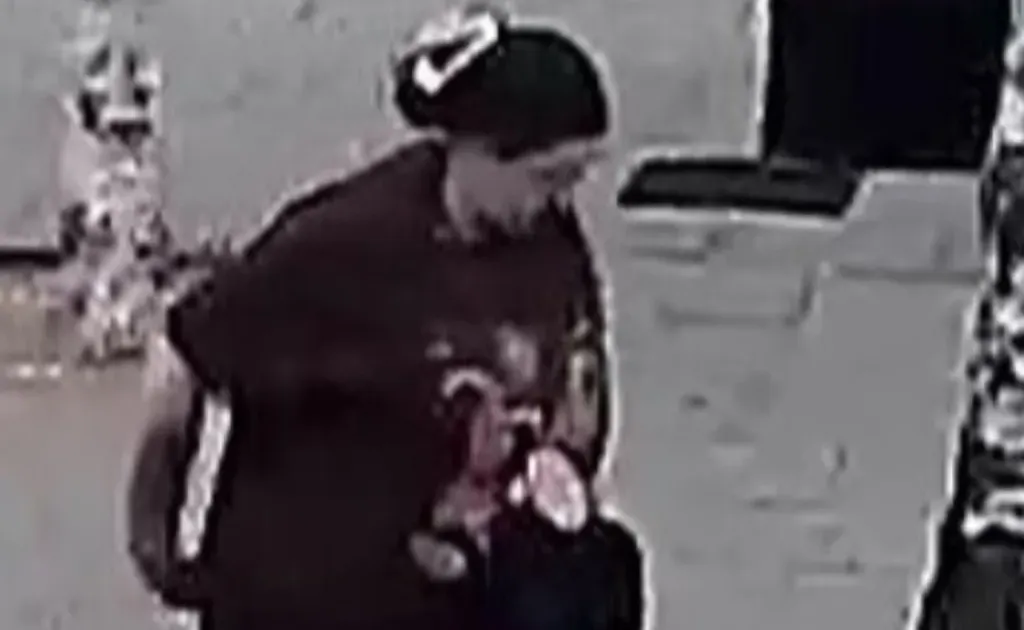
Now the investigation has turned to identifying the person responsible for the dog at that moment. Police have released a CCTV image of a woman they urgently wish to speak to in connection with the incident. She is described as white, approximately 5 feet 7 inches tall, and of large build. The image, released in the hope that the public will come forward, shows a woman who may have crucial information about what happened, and who may herself have been shocked and frightened by the dog’s sudden aggression. It is possible she was the owner or a handler, someone who perhaps had the dog on a lead, but whose efforts to control it were not enough. It is also possible she was simply nearby and caught the moment on camera, or saw something that could help police piece together the sequence of events. Either way, the police are appealing to her directly: if this is you, or if you know this woman, please get in touch. The officer handling the case has made a clear request, urging anyone who recognises her to call 101 and quote the incident number 44260407684. The appeal is both simple and deeply human — somewhere in this city, there is someone who knows this woman, and that person could make a real difference in helping a family find answers and a community feel safe again.
The incident has inevitably stirred unease among parents and dog owners alike. There is something uniquely frightening about an attack on a child’s face — a part of the body so vulnerable, so expressive, so vital to how we love and communicate. Babies cannot defend themselves, cannot understand why an animal they may have seen as friendly has suddenly lunged at them. Their small worlds are built on trust, and an experience like this shatters that trust in an instant. It also renews the wider conversation about dog safety, and the responsibility that every owner carries when they bring an animal into public spaces. A dog may be beloved at home, may be gentle with its own family, may have never shown aggression before. But all dogs are capable of reacting to stress, fear, or unfamiliar situations. The presence of a muzzle suggests some awareness of the dog’s potential, but a muzzle is not a guarantee of safety. It cannot stop a dog from jumping, from scratching, from causing injury with its weight and momentum. And for a baby in a pushchair, the height and proximity of a large dog can make an attack especially horrifying. This case is not merely a story about one incident; it is a reminder to every parent who has ever felt their heart stop when a strange dog runs toward their child, and to every owner who has ever felt a pull on the lead and realised they were not in full control.
For the authorities, the search for the woman is now the central focus. Police are not just looking for someone to blame; they are looking for someone who can help them understand what happened, and perhaps prevent it from happening again. The CCTV image is a crucial piece of evidence, and they are hoping that the public will rally around the appeal. Witnesses are also being urged to come forward, especially those who may have seen the dog’s behaviour before the attack, or who noticed how it was being handled. The more information police can gather, the clearer the picture will become. Was the dog on a lead? Did the woman seem to be struggling to control it? Had there been any warning signs in the minutes before the lunge? These are the details that matter, and they can only come from the people who were there. The police have asked anyone with relevant information to contact them, even if they believe their memory is too small or too insignificant to matter. In cases like this, no detail is too minor. A single observation could be the key that unlocks the investigation, giving a grieving family a sense of closure and ensuring that those responsible for the dog are held accountable.
As the appeal continues, the broader community has been left to process the incident in their own way. Some will feel anger, some will feel fear, and some will simply feel sadness at the image of a tiny child being hurt in such a sudden, senseless way. The good news is that the baby was taken to hospital as a precaution, and his injuries were described as two small puncture wounds and grazing. He is likely to recover physically, but the emotional wounds may take much longer to heal. His parents will now find their vision of the world changed; they will see dogs in a different light, will cross the street when a large animal approaches, will always remember the day their son’s face was injured in the very place where they should have been safe. The incident also stands as a call for all dog owners to reflect on their own responsibilities. No one can predict every situation, but everyone can take steps to reduce risk — by keeping dogs on strong leads, by muzzling when necessary, by reading a dog’s body language, and by never assuming that a familiar animal will behave calmly in a crowded public space. The woman in the CCTV image may have believed she was doing the right thing. She may have been shocked by what happened. But the outcome is what matters most: a baby was hurt, and someone must answer for it. If she comes forward, or if someone recognises her, that conversation can begin. And in the meantime, all that anyone can hope for is that the little boy heals, that his family finds peace, and that justice is done. The appeal is simple: call the police on 101, quote the reference 44260407684, and help bring a difficult chapter to a close. In doing so, the public can play a small but vital role in reminding a frightened city that community, compassion, and accountability can still overcome the chaotic unpredictability of a single terrible moment.