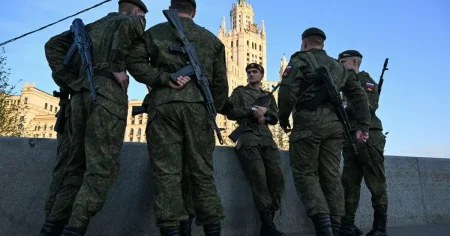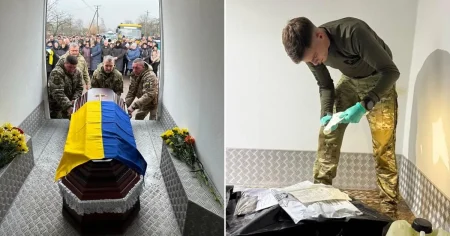


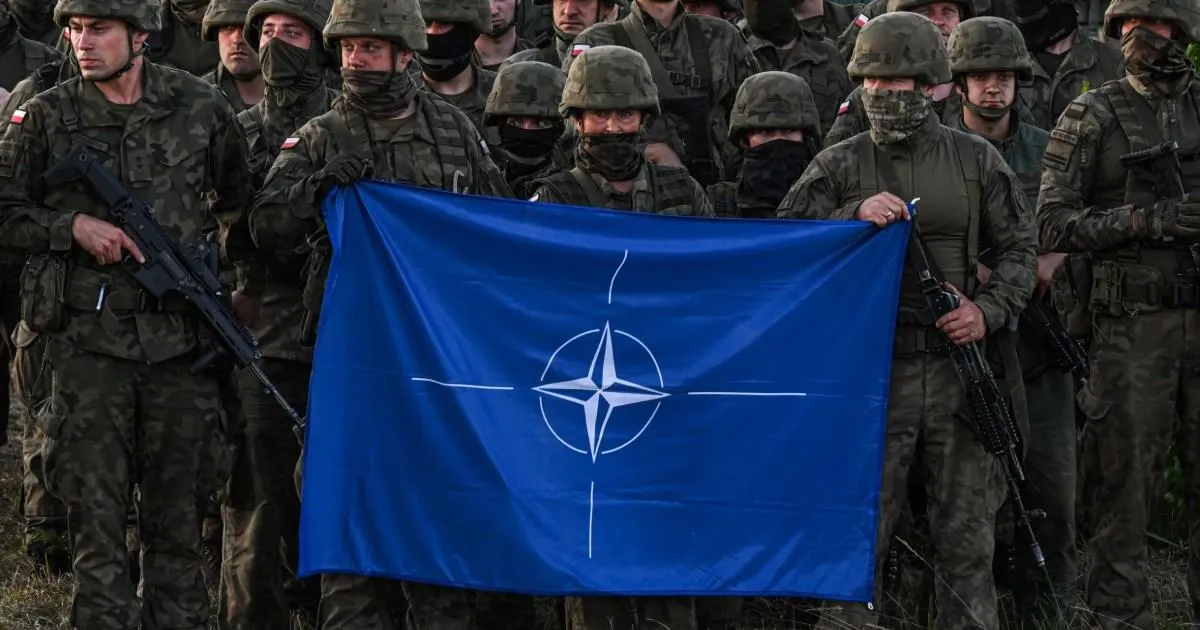
The shadow of the war in Ukraine is stretching further across the European continent, bringing with it a renewed and chilling sense of uncertainty. Recent intelligence reports, notably highlighted by the Wall Street Journal, suggest that Vladimir Putin may be contemplating a dangerous pivot this autumn. While analysts previously believed that the Kremlin’s absolute focus on the grinding conflict in Ukraine would prevent it from opening new fronts, the current stagnation on the battlefield is forcing a recalibration of Russian strategy. There is a growing fear that, desperate for a morale-boosting “victory” to distract from his struggles at home, Putin might orchestrate a provocative strike against a NATO member state.
The Baltic region and Poland have become the primary focus of these mounting security anxieties. Officials in these areas, including Lithuania’s defense minister, argue that the Kremlin is actively seeking a new escalation to project strength. The logic is as brutal as it is simple: if the Russian military machine is failing to make decisive gains against its primary target, it may look to challenge the security architecture of the West to prove its relevance. This isn’t just theoretical speculation; we are seeing incidents that hint at this instability, such as the recent discovery of an explosive-laden drone near a Ukrainian cargo plane in Germany, which serves as a sobering reminder that the dangers are moving closer to home.
We have already seen what “near-misses” look like in practice. Just this past July, a Russian cruise missile left a massive 33-foot crater in Polish territory. While the incident resulted in no casualties because it landed in an uninhabited area, the mere fact that a Russian weapon struck NATO soil sent a shockwave through the alliance. Though Polish authorities and Prime Minister Donald Tusk moved quickly to reassure the public that there was no immediate threat of an invasion, the psychological impact was profound. It signaled a terrifying possibility: that the boundaries of the war are no longer fixed, and that accidents—or deliberate probes—can occur without a moment’s notice.
The intelligence community has been sounding the alarm for some time, with German agencies warning as early as late 2025 that Russia is preparing for a potential “test attack” on the alliance. These reports suggest that the Kremlin is methodically readying its government and military for the possibility of a large-scale conflict with NATO. It is a shift from reactive defense to proactive, long-term preparation. When major intelligence services point to a boiling point in relations, it implies that the diplomatic guardrails that have kept the peace for decades are rapidly eroding, replaced by the cold, tactical calculations of a regime that no longer feels constrained by international norms.
The human element of these warnings is perhaps the most difficult to digest. Retired British Army General Sir Richard Shirreff has provided a harrowing glimpse into what such an escalation could look like. He envisions a scenario where armored columns might move toward the Baltic states, overwhelming local defenses and forcing a frantic, high-stakes response from Western allies. In this dark scenario, the conflict wouldn’t be contained to a border skirmish; it would involve strikes against airbases, vital infrastructure, and the mobilization of thousands of service members. It is a vision that reminds us that behind the geopolitical chess moves are real lives, real families, and the terrifying prospect of a continental war.
Ultimately, these warnings serve as a call for a reality check. We are living in a period where the global order is shifting, and the complacency that followed the end of the Cold War is rapidly disappearing. Whether these potential attacks manifest this autumn or remain part of a larger campaign of hybrid warfare and intimidation, the message is clear: the era of assuming European security is guaranteed is over. As we look ahead, the burden falls on international leadership to reinforce those borders and maintain a credible deterrent, ensuring that the “near-misses” of today do not turn into the tragedies of tomorrow.