

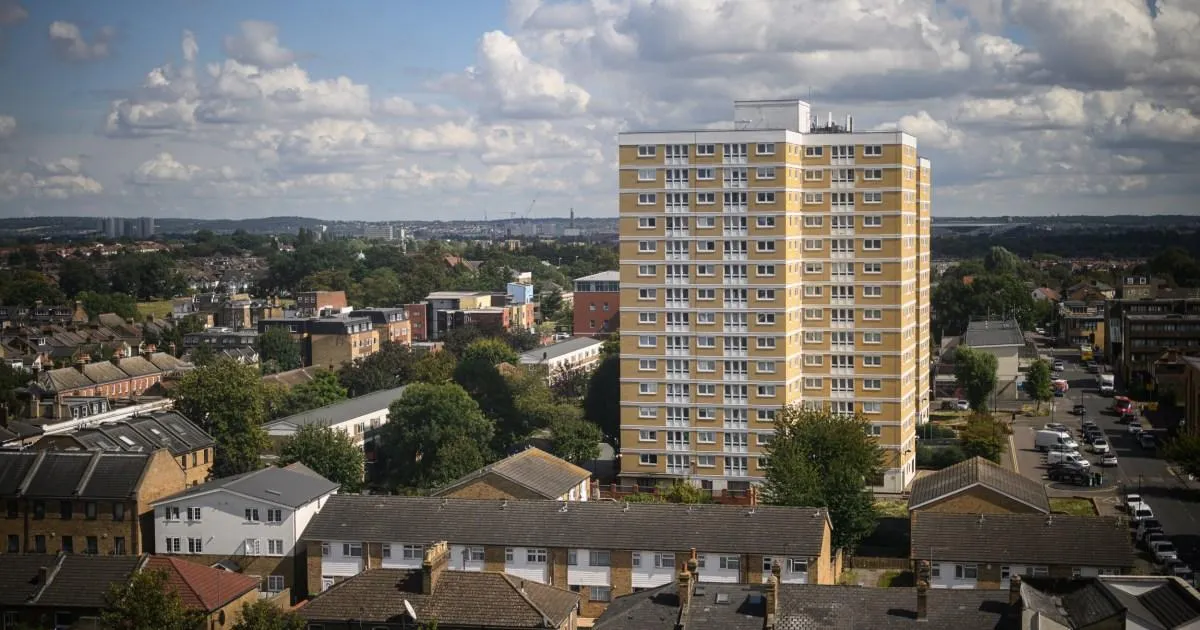
For the thousands of men, women, and children who call a Haringey council property home, the word “home” is supposed to mean safety. It means a place to sleep without fear, a roof that doesn’t leak, and doors that will hold back a fire long enough for a family to escape. That basic promise, the unspoken contract between a landlord and a tenant, has now been broken in the most alarming way imaginable. Thomas Hardy House, a building that was already flagged as having fire safety issues to Haringey Council in 2024, has become a symbol of a much wider systemic failure. The Regulator of Social Housing has published a report that is nothing short of damning. It found that the London borough “very seriously failed” to meet consumer standards and awarded them the lowest possible grade. For residents who have spent years complaining, pleading, and worrying, this news is not a surprise. It is a confirmation of their worst fears. For everyone else, it is a stark reminder that the lessons of Grenfell, a tragedy that cost seventy-two lives and changed the national conversation about building safety, may not have been learned at all. This is not about paperwork or administrative delays. It is about the terrifying possibility that in the event of a fire, the very systems meant to save lives might fail.
The findings of the report paint a deeply troubling picture of neglect and mismanagement. During fire risk assessments, inspectors identified almost four thousand remedial actions that had become overdue. Among these, a staggering 1,400 were declared “high-risk.” Let that number sink in for a moment. Fourteen hundred separate issues, each one serious enough to be labelled high-risk, were sitting unresolved. In November, however, the council wrote to the regulator claiming that every single high-risk, overdue fire safety issue had been fixed. The regulator’s report now casts serious doubt on that claim, and the discrepancy raises troubling questions about honesty, transparency, and competence. It is not just fire safety that has failed. The report also found that 16% of homes managed by the council did not meet the Decent Homes Standard. Behind this cold statistic lies a backlog of damp and mould repairs, cramped and poorly maintained living spaces, and a profound failure to communicate with tenants. Damp and mould are not merely aesthetic problems. They are health hazards, linked to asthma, respiratory infections, and mental distress. Families have been living in conditions that no one should have to tolerate, all while paying rent to a council that is supposed to be looking out for them. The report reveals a landlord that has been negligent in its basic duties, and more than that, it reveals a culture of silence, evasion, and broken trust.
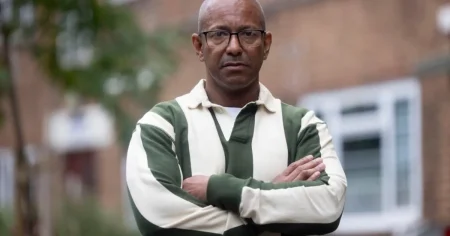
To understand the human cost of these failures, you need to listen to people like Paul Burnham. He has lived in Haringey for twenty-five years, a quarter of a century of calling this place home. He has repeatedly told the council about his fears regarding the combustible panels on the outside of his building. He has also voiced his concerns about what he describes as “ancient fire doors,” which he believes would do little to stop a blaze from spreading. His anxiety is not abstract. It is rooted in the memory of Grenfell, a fire that was accelerated by exactly the same kind of cladding and the same kind of fatal complacency. Burnham told reporters that it has been ten years since the Grenfell tragedy, and in his view, Haringey Council has learned absolutely nothing. He says that the council has completely disengaged with tenants, consistently telling them there is no significant fire risk. This report, he says, proves that this is not true. His words carry the weight of someone who has been dismissed, patronised, and left to live in fear. He is not alone. In 2023, a fire partly spread through the seventeen-storey Kenneth Robbins House, and residents reported that their smoke alarms did not go off. Later, residents discovered that eight medium-priority actions, including checking smoke alarms, had been listed as “ongoing” for more than a year, when they should have been completed within six months. These are not distant, bureaucratic failures. They are life-and-death issues that unfold in the daily lives of real people.
The political response to this report has been swift, and it reflects the anger that many feel. Zack Polanski, the Leader of the Green Party, condemned the previous Labour-run council for failing social housing tenants. He described it as shocking that thousands of overdue fire-safety actions were not disclosed to the regulator. His comments point to a deeper pattern of deflection and neglect that has plagued social housing across the country for decades. Since the Grenfell fire, there has been endless talk of reform, of putting residents first, of never letting a tragedy like that happen again. Yet here we are, years later, with a council in one of the wealthiest cities in the world unable to ensure that its tenants are safe in their own beds. Polanski also stressed that social housing must be made safe and decent, and if the government is serious about fixing housing, the Budget must show it. This is a call for more than just apologies. It is a call for funding, for radical accountability, and for a complete cultural shift in how social housing is managed. The report is not just an indictment of Haringey. It is another piece of evidence in a national crisis of social housing, where the poorest and most vulnerable are often forced to live in conditions that are unsafe, unhealthy, and deeply undignified.
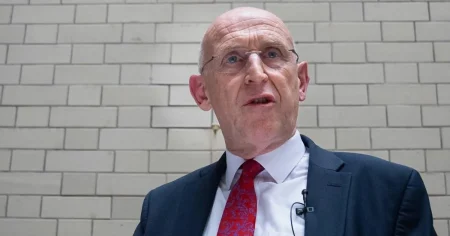
The council’s response has been a mixture of blame, apology, and a promise to do better. Council Leader Cllr Mark Blake acknowledged that for tenants and leaseholders who have spent years dealing with poor repairs, ignored complaints, and concerns about safety, today’s report will be deeply concerning, but not surprising. There is an honesty in that admission. He went on to reference the Grenfell tragedy, saying that nothing is more important than being transparent about fire safety. He then pointed the finger at the previous administration, saying that they had failed to inform the Regulator of Social Housing of the true extent of the fire safety risks. This is a familiar political move: blaming the failures of the past while promising a brighter future. For tenants, however, the distinction between one administration and another may feel irrelevant. They have been living with the consequences of both. Jess Crowe, the Corporate Director for Culture, Strategy and Communities, offered an unreserved apology, saying that the council takes the regulator’s judgement very seriously and fully accepts its findings. She apologised to tenants and leaseholders for the serious failings and acknowledged that residents deserve better. But apologies, however sincere, do not fix fire doors. They do not remove dangerous cladding. They do not clear mould from a child’s bedroom. What matters now is action, and the report gives the council no room to wriggle out of its responsibilities.
This is the moment where we must ask what true accountability really looks like. The regulator’s report is a crucial step, but it is only a piece of paper. The real test will be in the months and years to come, in the quiet work of replacing fire doors, stripping away combustible panels, fixing alarm systems, and addressing the damp and mould that has made so many lives miserable. The council must also earn back the trust of its residents. Trust is not restored by press releases or apologies. It is restored by visible, tangible change. When a tenant sees a tradesperson actually arrive at their door. When they receive a letter that is not a brush-off, but a genuine update. When they can finally sleep without the fear of fire creeping through ancient doors. The language of regulation and compliance, terms like “consumer standards” and “remedial actions,” can feel distant and cold. But behind every one of those terms is a human story. A mother checking her smoke alarm before bed. An elderly man staring at the cladding on his building and wondering if it could happen again. A young family living with black mould on their walls, their children coughing at night. This report is not just a list of failures. It is a mirror held up to a society that promises to protect its most vulnerable citizens and then, too often, fails to do so. The residents of Haringey are not asking for special treatment. They are asking for the basic right to be safe in their own homes. It is a modest demand, and one that every landlord, public or private, should already be meeting. Let us hope that this report marks the beginning of a genuine change, not just another cycle of apology and forgetfulness. The people who live in these buildings deserve more than words. They deserve safety, they deserve dignity, and they deserve a landlord that finally, truly, puts their lives first.