


Paragraph 1: The Stage is Set for a Defining Moment
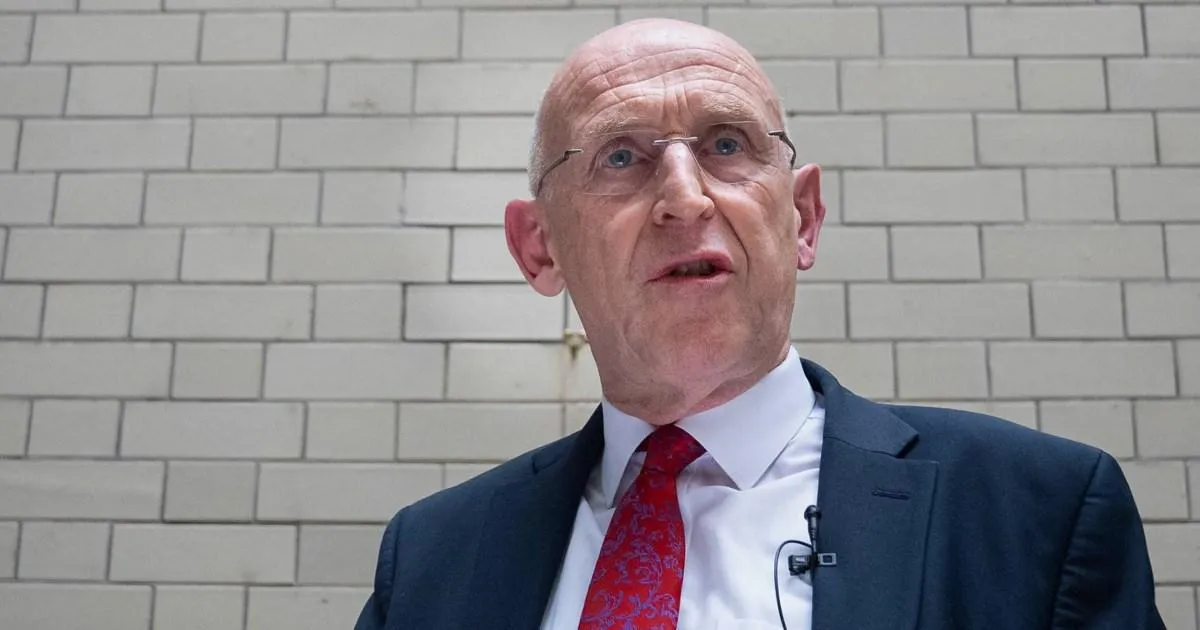
There’s a particular kind of electricity that crackles through the corridors of Westminster in the days leading up to a Budget. It is, in many ways, the grandest theatre in British politics—a spectacle where policy, personality, and political survival collide in a single, high-stakes performance. This year, however, the anticipation feels different; it feels heavier. It isn’t just the usual ritual of speculation and leaks that has the nation on edge. This Budget, the first major fiscal event for the new Prime Minister, Andy Burnham, is set to be the definitive blueprint of his premiership. He has been in office for barely a hundred days, a whirlwind period in which he has made sweeping, ambitious promises—from ending rough sleeping to fundamentally transforming the care sector. These are not small, incremental pledges; they are bold, costly commitments that require immense financial firepower. All eyes now turn to the man tasked with finding the money to make these dreams a tangible reality: Chancellor John Healey. After weeks of quiet deliberation, frantic number-crunching, and behind-closed-doors negotiations, Healey is preparing to step into the spotlight, delivering a speech that will either cement the government’s vision or expose its vulnerabilities. The nation waits with bated breath for the curtain to rise.
Paragraph 2: The Chancellor’s Balancing Act
The pressure on Healey is immense, a fact he seems to acknowledge with a sense of measured solemnity rather than visible anxiety. This is a chancellor who knows that a Budget is not just a spreadsheet exercise; it is a statement of values. Behind the scenes, the Treasury has been a hive of activity, with policy officials working around the clock to translate the Prime Minister’s “missions” into workable fiscal policy. Healey’s approach, according to those close to him, has been one of cautious pragmatism. In his public appearances, he has been careful to temper expectations, hinting that this is not the moment for “major moves on taxation or spending.” It is a deliberate attempt to lower the bar, perhaps, before delivering a series of “everyday fixes” designed to improve the lives of ordinary citizens without blowing a hole in the nation’s finances. These smaller measures, which have been drip-fed to the press in the build-up, feel almost like an appetizer before the main course. They paint a picture of a government in tune with the micro-frustrations of daily life, willing to smooth over the rough edges of the system. But as the chancellor rehearses his lines, the nation knows that the real substance will be found in the stark numbers and headline announcements that will dominate tomorrow’s front pages.
Paragraph 3: Pensioners and Everyday Fixes
One of the most crucial, and indeed most sensitive, questions surrounding this fiscal event involves the nation’s pensioners. Following last year’s significant increase, the state pension hovered just beneath the £12,570 tax-free personal allowance. The triple lock ensures the pension rises with inflation, wages, or 2.5%—whichever is higher—which would inevitably push the full new state pension above this threshold. This presented a political minefield: for the first time in the benefit’s history, it would become taxable for millions. Rather than allowing this silent tax rise to take hold, reports emerged suggesting the Chancellor feels obligated to tweak the rules. The proposed solution, as reported, is a bespoke increase to the tax-free allowance specifically for pensioners, raising it to meet the new level of the state pension, estimated at £13,036. This would preserve the cherished principle that the basic state pension is not subject to income tax, offering a sense of security to those who fear the erosion of their retirement income. Beyond this headline issue, the Treasury announced a series of “everyday fixes” aimed at easing common burdens: ending the draconian cliff-edge on Carer’s Allowance, extending parental pay to thousands more families, rolling out more Post Office drop boxes, making higher tax-free business mileage rates permanent, and scrapping tariffs on everyday food products like chocolate and baked beans. These are human, relatable changes designed to demonstrate a government listening to the daily struggles of its people.
Paragraph 4: Energy, Defence, and the Promise of Stability
The conversation surrounding the Budget, however, extends far beyond the kitchen table politics of personal allowances. Keen observers point toward a potential seismic shift in the UK’s energy policy. Sources suggest Healey is preparing to kick off a series of “deep reforms” to the energy system, the central goal being to drive down the exorbitant household bills that have plagued the country. The most radical measure on the table is the idea of “decoupling” gas prices from electricity prices, a move designed to lower the cost of electricity generated by renewables. Under the current system, the price of electricity is often set by the most expensive source—typically gas—even when the power comes from cheaper, greener wind or solar. Reforming this could fundamentally alter how energy is priced, bringing significant relief to families. In a nod to populist concern, the Prime Minister has also instructed his team to look into removing standing charges from gas bills, a fixed daily cost that has been a source of widespread anger. Furthermore, the defence sector is bracing for a significant announcement. Healey, who has previously clashed with the Prime Minister over defence funding and resigned from a shadow role in a dispute over the matter, is expected to pledge billions in extra spending. This dual focus on energy security and national security suggests a government attempting to project an image of strong, stable governance on all fronts.
Paragraph 5: The Youth Question and Looking Ahead
Yet, for all the planned activity, there appears to be one conspicuous absence from the fiscal stage: a major, immediate commitment to the rising number of young people not in education, employment, or training—the so-called NEETs. Given the significant focus on social mobility and opportunity, this silence would seem counterintuitive. But the government is deliberately waiting for the recommendations of Alan Milburn’s review into the issue, which is due to be published shortly after the Budget. It is a strategic pause, suggesting that any major initiative in this area will form part of a more considered, long-term strategy rather than a knee-jerk reaction. This also signifies that the Budget, while addressing immediate fiscal concerns, is also designed as a launchpad for the next wave of policy. As Healey works his way through his speech, he will not only be presenting a financial update but also laying the groundwork for the government’s future legislative agenda. The speech itself is set to take place after Prime Minister’s Questions on Wednesday afternoon, typically between 12:30 pm and 1 pm, and will be broadcast across all major news networks. It is a moment where the abstract promises of the campaign trail meet the immutable arithmetic of the Treasury ledger.
Paragraph 6: A Human Story of Governance
In the end, this Budget is more than just a collection of tax rates and spending schedules. It is a deeply human story about the choices a government makes on behalf of its citizens. It is about the pensioner who fears their hard-earned retirement is being taxed away; the carer whose selfless duty is punished by a benefits system that stops abruptly; the family struggling to heat their home in the depths of winter; and the young person waiting for a chance to prove their worth. As Chancellor John Healey steps up to the despatch box, he carries the weight of these stories on his shoulders. He must balance the radical ambition of his Prime Minister with the harsh reality of the national coffers. He must be a visionary and an accountant, a politician and a patriot. As the world watches that familiar green box being opened, the true measure of success will not be found solely in the statistics or the market reaction, but in whether the ordinary people listening feel that, just this once, the government truly understood their lives and is working hard to make them just a little bit better. The performance is about to begin, and its final act will be written not in Parliament, but in the homes and hearts of the British public.