


In a bizarre and unsettling intersection of wildlife management and geopolitical conflict, an Israeli court recently blocked a plan that seemed plucked from a dystopian novel: placing a population of Nile crocodiles in a moat surrounding the Ketziot Prison in the Negev desert. The initiative, championed by the far-right Minister of National Security, Itamar Ben Gvir, was intended to serve as a high-security deterrent. However, the proposal was ultimately thwarted not by a humanitarian appeal for the prisoners held within the facility, but by the urgent intervention of animal rights activists who argued that moving these protected reptiles into a harsh desert prison environment would be an act of profound cruelty.
The site of this proposed project, Ketziot Prison, is a facility already shrouded in controversy and shadow. It is estimated to hold over 75% of all Palestinian detainees currently in the custody of the Israeli Defense Forces (IDF), though the exact, shifting population remains a state secret. For those who have been processed through its gates, the prison is less a place of detention and more a site of systemic torment. While the international community often focuses on the broader political tensions of the region, the internal reality of Ketziot—characterized by allegations of brutal physical abuse and psychological deprivation—has been a subject of long-standing reports by human rights organizations like B’Tselem.
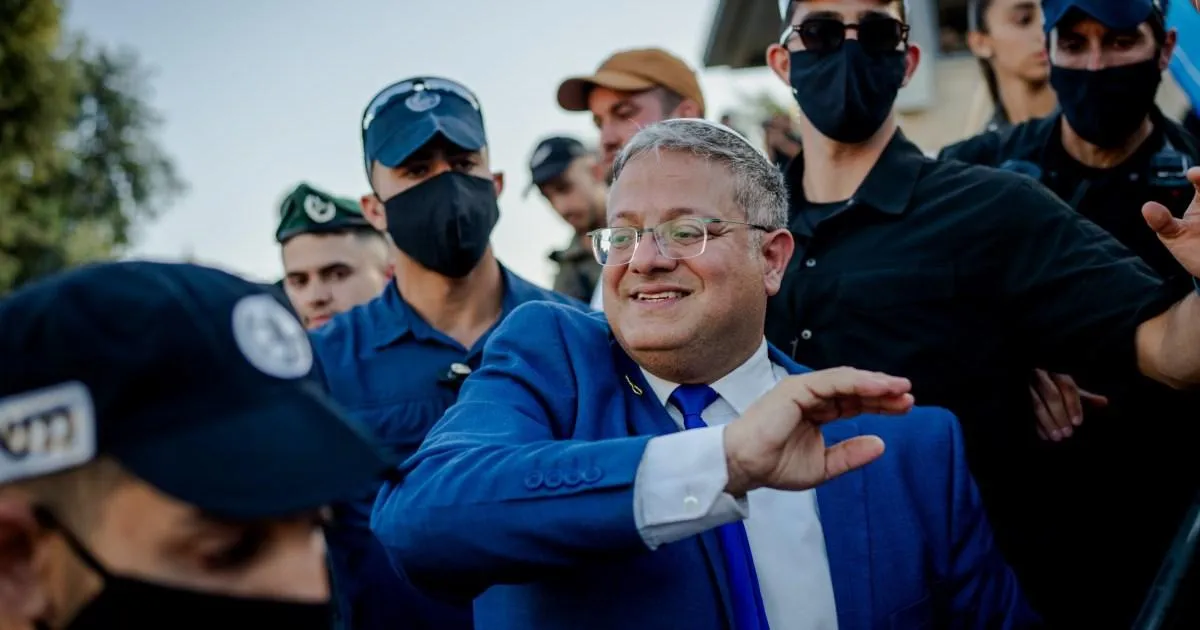
Itamar Ben Gvir’s involvement in the crocodile scheme has drawn sharp criticism, given his history of inflammatory rhetoric and hardline stances against Palestinians. His political brand, often defined by a disregard for the humanity of those he views as enemies, was on full display when he publicly reacted to the court’s decision. Rather than reflecting on the ethical implications of using predators as prison guards, Ben Gvir decried the judicial intervention, essentially accusing animal rights advocates of siding with “terrorists.” To him, the court’s decision to protect the reptiles was a tactical defeat that undermined his efforts to exert control and intimidation over the prison population.
The chilling reality of life inside Ketziot is best understood through the voices of the men who have survived it. Former detainees like Ashraf al-Muhtaseb have described a regime of terror where the darkness of night offered no respite. Al-Muhtaseb recalls the constant fear of sudden, violent incursions by prison units, the stripping away of basic human dignities like blankets and mattresses, and the relentless psychological warfare of forced exposure to loud music intended to break the spirit. These are not isolated claims; they form a recurring pattern of testimony that suggests a calculated environment of fear designed to dehumanize those held within the facility’s walls.
The accounts provided by survivors paint a picture of systematic humiliation that goes beyond mere incarceration. Sami Khalili, who spent over two decades navigating the Israeli prison system, described harrowing rituals at Ketziot that included forced public nudity and physical degradation. He recounted being subjected to invasive searches and violent beatings delivered with metal detectors, often followed by the performative requirement to salute the Israeli flag. Such testimonies highlight a dark, coercive atmosphere where the power dynamic is maintained through the deliberate erosion of the prisoner’s sense of self and bodily integrity.
As the Israeli state prepares its legal response to the court’s ruling by mid-August, the crocodile proposal serves as a grim metaphor for the broader conflict. The fact that such an idea could be seriously proposed by a high-ranking government official suggests a normalization of cruelty that transcends political policy. While the court has successfully prevented the introduction of apex predators into the desert, the underlying crisis—the systemic abuse and the profound lack of human rights for the detainees at Ketziot—remains entirely unaddressed. In the quiet of the Negev, the debate over a moat of crocodiles serves as a stark reminder that when human empathy is discarded, even the most absurd and vicious ideas can find their way into the halls of power.