



On the quiet outer edge of Verlus, a tiny village tucked into the rolling hills of southwestern France, there was a house that had become part of the landscape. It stood near the end of a narrow road, surrounded by fields and the soft golden light that makes this part of rural France feel timeless. For about twenty years, the house had been home to John A., an 85-year-old British man, and his wife. They had arrived after retirement, trading the noise and rush of their previous life for the gentle rhythm of a French hamlet. John had become a familiar and beloved figure in Verlus—someone who greeted neighbours with warmth, joined in local life, and made friends easily. He was, according to the town’s mayor, a popular and friendly man, the kind of person who made a place feel warmer simply by being there. His wife had recently fallen seriously ill, and so she was in hospital, leaving John to manage alone for the first time in a long while. That weekend, he was by himself in the house, perhaps preparing meals for one, maybe thinking about her, perhaps planning a visit. Nothing about that ordinary Friday night suggested the horror that was about to break into his quiet existence. There was no warning, no reason to believe that a life built on calm and contentment would end in violence. But it did. And the small village that had embraced this British couple was left in shock, struggling to understand how such a gentle story could turn so brutally.
That Friday night, two men came to John’s property. It is not known exactly how they arrived or what their intention was when they crossed onto the land of an elderly man living alone. What is known is that they stole his Kia car and fled, leaving behind a scene of unimaginable violence. The car was later seen being driven erratically, and police attempted to stop it. The men inside ignored the blue lights and sirens, refusing to comply, and eventually they abandoned the vehicle and ran off on foot. It was only then that the investigation led officers to the address linked to the car’s owner. When they reached the house on the outskirts of Verlus, they found John’s body. The scene that greeted them was not the peaceful image of an elderly man who had died naturally in his sleep. Instead, there were clear signs of a struggle inside the home, and John had suffered a very violent beating. He had serious wounds around his head, and an initial examination by a doctor pointed to devastating blows to the face. An autopsy was scheduled for the following Monday, but the evidence was already enough for investigators to open a murder inquiry. The brutality of the attack seemed almost impossible in such a place, and the fact that it happened to an 85-year-old man, alone and likely unable to defend himself, made it even more heartbreaking. He had been in his own home, the place where he should have been safest, and instead he encountered two people whose violence ended his life.
The news of John’s death spread through Verlus like a shockwave. Jean Menvielle, the mayor, expressed the feelings of the entire community when he said that everybody in the village was extremely shocked. He explained that John’s wife had become very ill recently, which was why he was alone that weekend. The couple had lived in Verlus for around twenty years, having moved there in retirement, and they had become woven into the fabric of village life. The mayor’s words carried a sense of deep personal loss: “None of us understands why such a popular, friendly man was attacked. This attack makes no sense at all.” And that was the heart of it—the senselessness. In a village so small that everyone likely knew everyone, where a friendly Englishman was part of the community, the idea that someone would come to his home and beat him to death was not just horrifying; it was incomprehensible. Neighbours who had seen him in the days before, perhaps buying bread or tending to his garden, now found themselves grieving for a man who had been a quiet presence in their daily lives. Grief mixed with fear. If this could happen to John, it could happen to anyone. The village had been a place of safety, a retreat from the dangers of the outside world, and now that security had been shattered. Even as they mourned, the residents of Verlus were left looking over their shoulders, wondering how something so evil had entered their peaceful world.
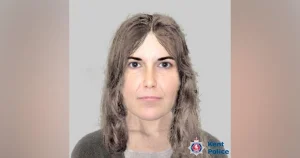
By Monday, the search for the two suspects was still underway. They had been seen fleeing from the car, and officers were working to trace their movements and identify them. A source working for the prosecutors leading the enquiry said, “We don’t know whether they came to steal or whether there was another motive. A murder investigation has been launched.” That unanswered question hovered over everything. Was this simply a robbery that spiralled out of control? Did the two men break in with the intention of stealing, only to encounter John and panic? Or was there something more deliberate, more personal, hidden behind the violence? The fact that they took the car suggested theft as a possible motive, but the level of brutality hinted at something darker. Why would a thief, especially one confronted by an elderly man, need to beat him so severely? The signs of struggle inside the home painted a picture of a terrifying final moment—John, perhaps startled by noises, perhaps encountering the intruders, doing what many people would do: trying to defend his home. But at 85, alone and vulnerable, he never stood a chance. The suspects had fled on foot after abandoning the car, leaving behind a trail of questions that investigators were struggling to piece together. The murder inquiry moved forward, but the mystery of why this happened remained unresolved, and for the people who loved John, that uncertainty was almost as painful as the loss itself.
There is something deeply unsettling about a story like this, because it reminds us how fragile life is, especially for the elderly. John A. was not an anonymous name in a police report; he was a husband, a neighbour, a man who had chosen to spend his later years in a beautiful corner of France. His wife, lying in a hospital bed, now faced the cruelest possible reality: while she was being cared for, the man she had shared her life with was being attacked in their home. She had to wake to a world without him. The house where they had lived for twenty years, where they had built memories of retirement, quiet dinners, and shared mornings, was now a crime scene. The neighbours would pass by and see police tape, and they would remember John as he had been—smiling, friendly, generous with his time. It is impossible not to think about the small details of his daily life: the walk to the local shop, the greeting exchanged with someone on the road, the phone call to his wife in hospital, telling her not to worry, that everything was fine. And then, as he settled in for the night, two strangers came, and everything changed. The violence of the attack is horrifying, but perhaps even harder to accept is the randomness of it. John did nothing to provoke this. He was simply there, an elderly man in his own home, and someone decided that his life was worth less than whatever they thought they could take. That is the truth that leaves a village shattered and that no investigation can ever fully explain.
In the end, the only fitting response to such an act is the pursuit of justice and the preservation of memory. The manhunt continues, and those responsible must be found and held accountable for the terror they inflicted. There is a desperate need for answers, not only for the police and the prosecutors, but for John’s wife, his family, and the people of Verlus who have been left to grieve. But beyond the legal process, there is also the duty to remember John as he truly was—not just as a victim, but as a man who brought warmth to a small village. In the days and years to come, the community may heal, but the scar will remain. The beauty of Verlus will not be erased, but it will be tinged with sorrow. John A. came to France to find peace, and for twenty years, he did. His death, brutal and senseless, has left a hole in the lives of everyone who knew him. Yet even in death, there is something to hold onto: the kindness he showed, the friendships he formed, the ordinary moments that made a life. The two men who fled into the night did not simply take a car or take a life; they took away a gentle presence from the world. But they cannot take away who he was. He was John, the friendly Englishman, the retired husband who loved a village on the edge of rural France. And he will not be forgotten.