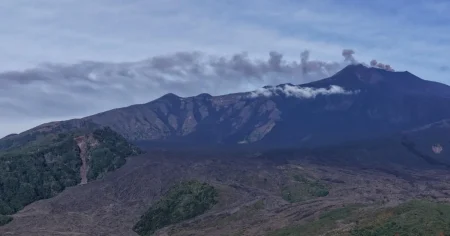


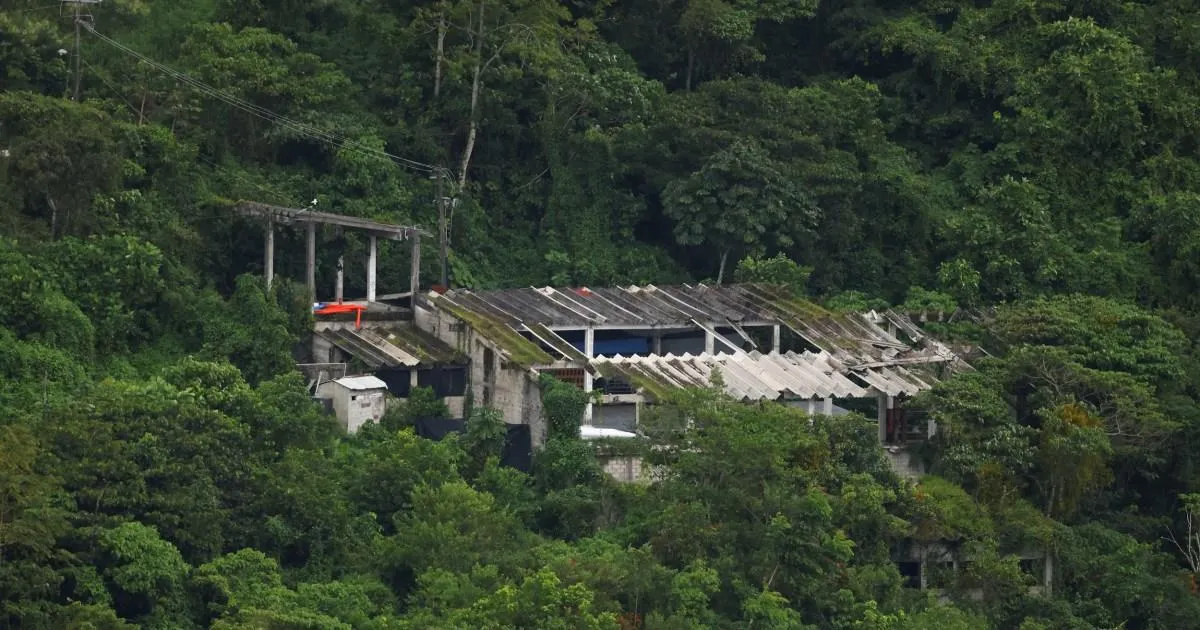
In the quiet, pine-covered highlands of Sierra Norte, a region of central Mexico better known for its misty mountains and small farming villages than for international finance, something strange was happening. The steady, low hum coming from a nondescript building was impossible to ignore, a constant mechanical drone that seemed out of place among the rural landscape. When police finally entered, they found the source: row after row of powerful computers, stacked in improvised racks, their fans whirring and lights blinking in the warm, heavy air. These were cryptocurrency mining rigs, and they were allegedly drawing electricity from a nearby hydroelectric system, bypassing the meters and stealing power on an industrial scale. At first glance, it might have looked like an overgrown tech enthusiast’s garage, but the truth was far darker. The small building was not just an illegal crypto mine; it was a money-laundering engine for drug cartels, a new frontier in the long-running battle between organized crime and the authorities. The discovery in Sierra Norte was a reminder that the cartels of today are not just violent gunmen who move cocaine and meth across borders. They are also sophisticated financial operators, willing to embrace cutting-edge technology to hide their profits, avoid detection, and keep their criminal empires alive.
The mechanics of cryptocurrency mining are not simple, but the motive behind this particular operation was. To create cryptocurrency, powerful computers must solve complex mathematical puzzles that verify and record transactions on a digital ledger known as the blockchain. This process requires an enormous amount of electricity, and for most legitimate miners, the cost of power is their biggest overhead. By allegedly tapping into the local hydroelectric supply, the cartel eliminated that expense almost entirely, turning a costly operation into an extremely profitable one. The machines were generating new digital coins, but more importantly, they were generating clean, hard-to-trace assets from stolen energy. David Saucedo, a security analyst who spoke to Reuters, described the bust as a sign that drug cartels were reaching “new levels” of sophistication. It is a phrase that should give anyone pause. These are organizations that have evolved from simple smugglers to vertically integrated criminal corporations. They have their own logistics, their own security forces, and now their own digital treasuries. The days when a cartel boss kept cash in suitcases or buried in the desert are not entirely gone, but they are quickly being replaced by a more modern approach. In a world where law enforcement can seize bank accounts and follow paper trails, cryptocurrency offers an escape route, a way to move value without borders, without banks, and with at least the appearance of anonymity.
That anonymity, however, is never absolute. Cryptocurrency leaves a digital footprint, and investigators are learning to follow it. The Sierra Norte operation also yielded Starlink antennas, high-speed internet equipment that would have allowed the cartel to maintain a reliable, secure connection in a remote area. This was not a fly-by-night setup; it was a carefully planned infrastructure project designed to operate under the radar. The use of crypto in cartel money laundering is not entirely new. In 2022, a global drug cartel was found to have used a popular cryptocurrency exchange app to launder millions of dollars. According to reports, informants working with the U.S. Drug Enforcement Administration infiltrated a crypto trade forum and interacted with a user who was offering to exchange cryptocurrency for cash. The system worked like a shadow banking service: a buyer would send Bitcoin or a stablecoin such as USDC to the seller’s digital wallet, and then meet the seller in person to collect the physical cash. It was simple, efficient, and almost impossible to detect without undercover work. The DEA informants traced the cash couriers back to drug sales, proving that the digital and physical worlds of cartel finance were deeply connected. For the agents involved, this meant endless hours in online chat rooms, monitoring transactions, arranging meetings, and trying to build a case against people who trusted no one. The human tension in those moments is difficult to overstate. Every handoff of cash could be a trap; every digital transfer could be the last piece of evidence needed.
The broader context is one of desperation and adaptation. As the United States and other countries have moved to sanction, arrest, and crack down on cartel leaders, particularly those responsible for flooding the country with fentanyl and other deadly drugs, the cartels have been forced to find new ways to survive. They cannot simply wire millions of dollars through banks; those channels are watched. So they turn to cryptocurrency, to trade-based money laundering, and to whatever other unorthodox methods they can find. At the same time, they have transformed themselves into private militias. Law enforcement operations in Mexico have seized semi-automatic rifles, tactical gear, armored vehicles, and even homemade tanks. Anti-tank rifles and rocket-propelled grenades are no longer rare finds in cartel caches. In recent years, cartels have also begun using drones and improvised explosive devices, turning the fight over drug routes into something resembling a small-scale war. This militarization is not separate from the financial sophistication of the crypto mines; it is part of the same story. The money that comes out of those humming computer servers buys the weapons, the vehicles, and the loyalty of thousands of armed men. It pays for the corruption that allows these operations to exist in the first place. It funds the violence that has killed tens of thousands of people and driven countless others from their homes. The quiet building in Sierra Norte, with its stolen electricity and spinning fans, is directly connected to the brutal realities of cartel warfare in other parts of Mexico: the street battles, the disappearances, the mass graves, and the families who live in constant fear of the next attack.
This war is not only fought against the government; it is fought among the cartels themselves. Various criminal organizations are locked in a bloody struggle for control of a multi-billion-pound illicit industry. Drug trafficking is still the core business, but these groups now diversify into extortion, kidnapping, human smuggling, fuel theft, and, increasingly, cryptocurrency mining. The competition is fierce, and the rewards are enormous. To survive, each organization must launder its profits before they can be used, and that requires financial experts, tech specialists, and a willingness to take risks. The miners in Sierra Norte were not anonymous hackers living in a basement; they were part of a larger criminal ecosystem that stretches across borders and continents. For ordinary Mexicans, the consequences are devastating. They watch their neighborhoods become battlegrounds, their young people recruited or killed, their public officials bought off or assassinated. They hear stories of cartel convoys rolling through towns with heavy weapons, and they wonder who is really in control. The discovery of a crypto mining operation might seem like a small victory in this larger war, but it is also a reminder of how deeply entrenched the cartels have become. They are not just in the mountains, the jungles, and the border towns; they are in the digital economy, using the same technologies that ordinary people use to send money to family members or invest in online assets.
In the end, the Sierra Norte crypto mining bust is a window into the future of organized crime. It shows that the cartels are willing to learn, adapt, and innovate. But it also shows that law enforcement is watching, that investigators are following the digital trails, and that a stolen hydroelectric connection can be traced to a money-laundering scheme that reaches the highest levels of criminal enterprise. The challenge for authorities is enormous. They must understand complex blockchain technology, track anonymous transactions, and coordinate across jurisdictions. They must also tackle the underlying corruption and poverty that allow cartels to flourish. No single raid will end this war. But every illegal mining farm shut down, every cryptocurrency wallet seized, and every money launderer arrested is a blow to the infrastructure that keeps the cartels alive. For the people of Sierra Norte, the sudden appearance of police and the discovery of the hidden building may bring a small measure of relief, but it also brings anxiety. The cartels do not simply disappear when their equipment is confiscated; they regroup, relocate, and return. The humming computers may be silent now, but the fight is far from over. Humanizing this story means remembering that behind every statistic about cartel violence and money laundering are real people: the investigators who risk their lives, the communities who live under the shadow of organized crime, and the young people who are tempted by the false promise of easy money. The cartels are not invincible. They are not untouchable. But they are determined, and so are those who oppose them. The discovery in the Sierra Norte is just one chapter in a long and painful struggle, a struggle that will require vigilance, courage, and an unrelenting commitment to justice.