

Europe Is Braced for a Dark Winter: Belgium’s Defense Minister Warns of More Russian Hybrid Attacks
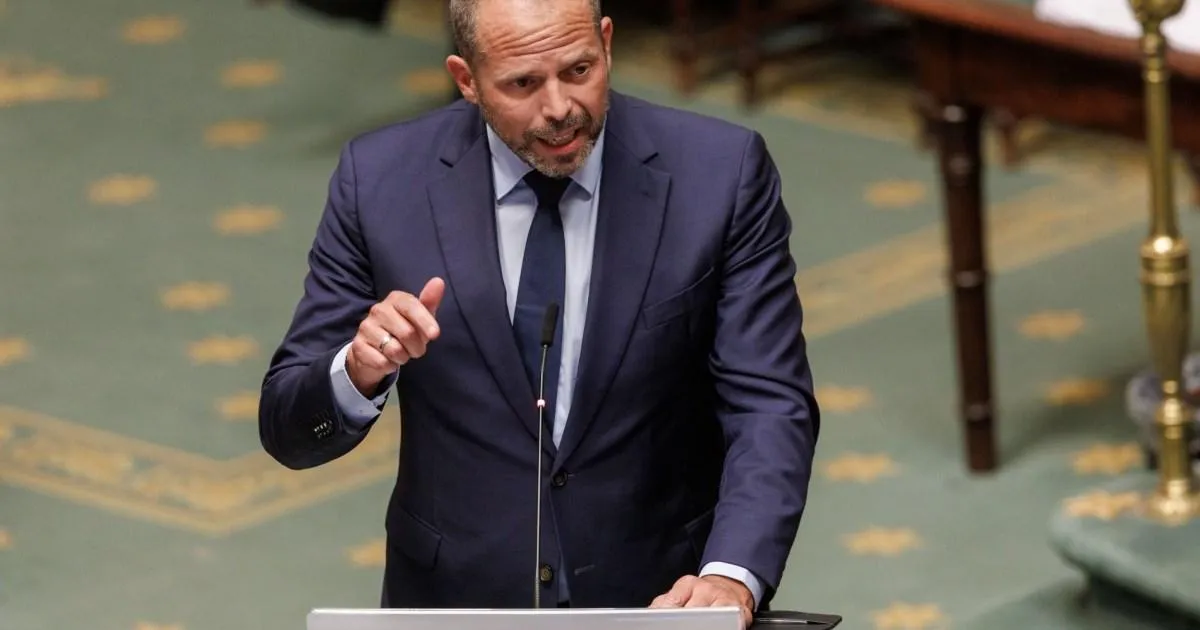
As the days grow shorter and the cold creeps across Europe, a new kind of dread is settling in—not just the chill of the season, but the ominous feeling that the continent is being tested. Belgian Defense Minister Theo Francken has issued a stark and sobering warning: “There will be more hybrid threat actions in the coming months. It will be a dark winter for Europe.” His words were not dramatic fiction, but a sober assessment from a senior NATO official who sees the storm clouds gathering. Hybrid threats are not conventional military invasions with tanks and soldiers; they are the shadowy, messy, often deniable tactics that Russia has been perfecting for years—cyberattacks on hospitals, sabotage of undersea cables, GPS jamming that sends civilian planes astray, disinformation campaigns designed to rip societies apart, and drones appearing where they should not be. For ordinary Europeans, this is not an abstract geopolitical game. It is the fear that the power might flicker during a freezing evening, that a plane full of holidaymakers might be endangered by a signal jammed near a military base, or that a port might suddenly shut down because of a suspected explosive device. The warning from Brussels is a reminder that security is no longer something to be taken for granted, and that the comforts of modern life—warm homes, reliable internet, safe travel—are exactly what hostile powers are trying to weaponize.
The warning from Francken did not come out of nowhere. It followed a report from July that accused Russia of already waging a “campaign of war” against the United Kingdom and other European nations. According to that report, Moscow has been using a shadow fleet of covert vessels to launch hundreds of drones and other unmanned aerial vehicles across Britain and Europe, mapping air defenses, testing reactions, and preparing the battlefield for a future conflict. These are not speculative theories. They are the quiet, patient steps of a hostile power probing for weaknesses. Francken made it clear that Europe’s response has been too slow. “We need to scale up our air defenses and we need to have more stocks, scale up production. Everything has to go faster,” he urged. His words carry weight because they come from a country not known for hysteria. Belgium is often seen as a diplomatic, cautious nation, more likely to debate policy than to shout about threats. When its defense minister starts using language like “dark winter” and “everything has to go faster,” it suggests that the intelligence community has seen things that cannot be dismissed. The urgency is real, and it is shared by other nations that are quietly accelerating their own preparations while trying not to alarm their publics too much. The shadow war is already here, and Europe is scrambling to catch up.
To understand why Francken’s warning has resonated so deeply, it helps to listen to experts who have been watching Russia’s behavior for years. Keir Giles, a Russia expert at Chatham House, noted that Belgium is “not known as a country that is overly alarmist about the Russian threat.” That makes the defense minister’s language all the more striking. Giles suggested that Francken may have identified specific problems that are about to face Europe in the near term—perhaps a particular intelligence warning of a Russian plan. It would not be unusual, Giles explained, for intelligence warnings about what Russia is preparing to be released across European capitals. But even without secret intelligence, the pattern is visible to anyone who cares to look. Over the past few months, Russia has become increasingly bold, launching ever more dangerous and provocative actions. The question is not whether Moscow is willing to escalate—it has already shown that it is—but whether Europe can interrupt that trend before it spirals out of control. Giles warned that unless the escalation is interrupted or reversed, “it is going to be a very dangerous time for Europe.” This is not a fear born of paranoia; it is a logical conclusion drawn from observing a government that has repeatedly chosen escalation over diplomacy, confrontation over dialogue, and chaos over stability.
Last week, the seriousness of the moment became even more concrete when United States intelligence shared a chilling warning with European allies: Russia was reportedly planning drone attacks targeting France, Italy, and Spain. According to reports from El Mundo, the United States had uncovered Kremlin plans for a major escalation that would involve drones launched from shipping containers in the Mediterranean. These are not small, improvised quadcopters. The drones reportedly include Gerbera drones, which have a range of around 600 kilometers and can be launched easily from cargo ships or freighters, making them hard to detect and even harder to stop. The targets would not be random. Striking France, Italy, and Spain—three major European Union powers—would send an unmistakable message to the West: continue supporting Ukraine, and we will bring the war to your cities. The potential for a larger conflict is obvious. If Russian drones began hitting ports in Barcelona, Marseille, or Naples, the European response would not be limited to diplomatic protests. The CIA director, John Ratcliffe, reportedly visited Moscow for “undisclosed talks” to warn the Kremlin against carrying out such an attack. Behind closed doors, leaders in Spain, France, and Italy were tipped off about the plot. The fact that such a high-stakes diplomatic mission took place at all shows how close the world may have come to a direct confrontation. But the warning also reveals something else: the United States and its allies are not simply watching helplessly. They are actively trying to deter Russia from crossing a line that could turn a shadowy hybrid war into a full-blown shooting war in the heart of Europe.
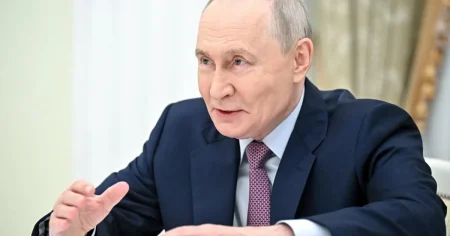
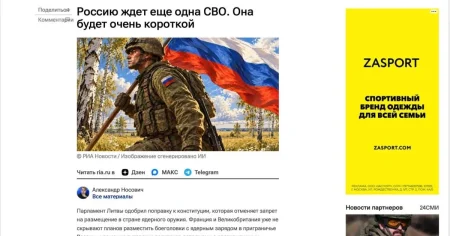
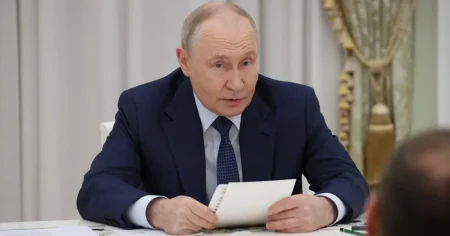
The latest warning about a potential drone attack on Europe is entirely consistent with previous statements from Russia about what it would do if Western nations continued to support Ukraine. President Vladimir Putin and his allies have repeatedly threatened the West with retaliation, often in vague but menacing terms. They have pointed to the Baltic states, to Poland, to the Netherlands as legitimate targets for countermeasures. They have warned that Western weapons used by Ukraine on Russian soil would cross a “red line.” They have even published chilling blueprints for how a wider war in Europe might begin. And they have responded to hypothetical Western media scenarios with nuclear threats, as if the mere idea of an attack on Russia justified preparing for the unthinkable. But the distinction between rhetoric and action is becoming dangerously blurred. Russia has already shown its willingness to use sabotage and subversion against Western countries. It has been blamed for exploding a warehouse in the United Kingdom, for jamming GPS signals around military bases in Germany, for running influence operations in Italy, and for hacking into health services in Ireland. These are not the actions of a responsible global citizen; they are the actions of a state that believes it can act with impunity because the West is too divided, too distracted, or too afraid to respond. Europe is beginning to understand that the old playbook of economic sanctions and diplomatic condemnations is not enough. When Belgian defense ministers start talking about the need to “scale up” and go “faster,” they are speaking to a generation that has never had to think seriously about air defense systems or ammunition stockpiles. That era is over.
As Europe prepares for what is to come, it is worth pausing to remember what is really at stake. Behind the diplomatic cables, intelligence briefings, and military planning meetings, there are real people. There are families in Brussels who worry about their children’s future. There are fishermen in Brittany who wonder if the mysterious cables that keep breaking under the sea are really just accidents. There are travelers who experience sudden, unexplained GPS outages and are told not to worry. There are young people in Poland and the Baltics who grew up hearing their grandparents’ stories of Soviet occupation and now watch, with a mixture of dread and determination, as the Kremlin grows more aggressive. The “dark winter” that Francken warned about is not just a metaphor. It means higher energy prices, more cyberattacks on hospitals and banks, more disinformation designed to turn friends against each other, more drones buzzing near critical infrastructure, and more threats of violence from a government that sees negotiation as a sign of weakness. But it does not have to be a season of despair. The same urgency that is pushing European governments to spend more on defense and intelligence is also pushing them to cooperate more closely, to share information, and to prepare their citizens for possible disruptions. It is pushing people to pay attention, to question what they see on social media, and to build communities that are more resilient. The shadow of war is a terrible thing, but it can also be a powerful motivator. Europe has been through darker winters before. It has faced down tyrants, survived wars, rebuilt from rubble. The question now is whether it can summon that same spirit of unity and resolve before the snow begins to fall. If the past is any guide, the answer is not guaranteed. But the fact that the warning is being taken seriously—by defense ministers, by intelligence chiefs, by ordinary people—is itself a sign of hope. Dark winters do not last forever. With courage, preparation, and solidarity, Europe can get through this one too. But it will take more than hope. It will take action, and it will take it faster than ever.