


Here is a summarized and humanized account of the tragic flooding in Nepal and China, expanded into six detailed paragraphs that capture the scale of the disaster, the intimate human stories, and the international response.
Paragraph 1: The Unfathomable Scale of Devastation
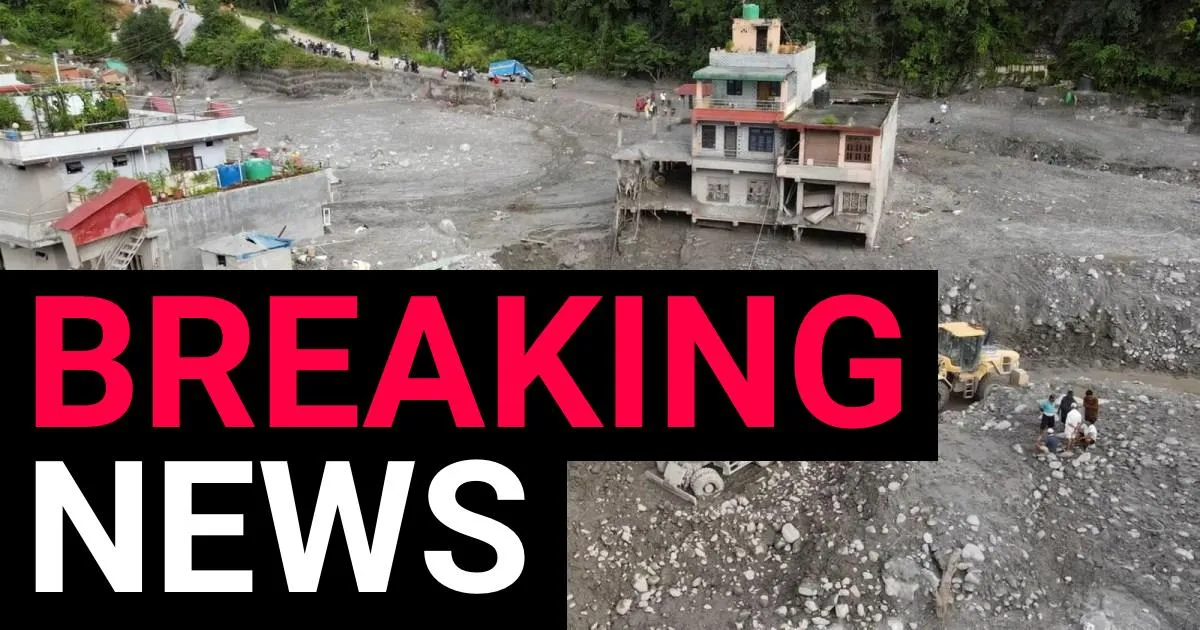
The nation of Nepal, cradled in the mighty embrace of the Himalayas, is a land celebrated for its serene beauty—the turquoise lakes, the fluttering prayer flags, and the ancient pagodas of Kathmandu. Yet this week, that postcard image was violently obliterated by the raw, unforgiving power of nature. An unrelenting monsoonal deluge, the most intense in decades, bombarded the steep mountain slopes. The soil, saturated beyond capacity, gave way in colossal landslides that crashed down like liquid concrete, burying entire villages in mere seconds. Simultaneously, the swollen rivers burst their banks, transforming low-lying districts into churning torrents of brown water, sweeping away bridges, livestock, and homes as if they were twigs. Across the border, the same storm system wreaked comparable havoc in China, and the combined death toll has now grimly surpassed the milestone of 1,000 confirmed fatalities—a figure that is tragically expected to rise substantially as rescue teams reach the most isolated mountain valleys. The cities are in chaos; hospitals overflow with the wounded, their hallways stacked with the injured and the displaced. The air, thick with the dust of crushed concrete and the earthy smell of wet mud, hangs heavy with the cries of the bereaved. Engineers warn that the main highways are impassable, forcing rescue teams to resort to helicopters that fly dangerously low through narrow gorges, hoping to reach communities that have been completely cut off for days. The sheer scale has overwhelmed local resources, prompting an urgent international plea.
Paragraph 2: Miracles Amidst the Rubble
But even as the world grapples with the scale of the devastation, stories of extraordinary resilience have emerged from the rubble, offering a glimmer of light in the oppressive darkness. Against all odds, rescue workers have managed to pull 118 Nepalese citizens and one British man from the debris alive, a full seven days after the disaster struck. These rescues are nothing short of miracles. Consider the conditions: the survivors were entombed beneath tons of broken brick, twisted steel, and silt, often in air pockets no larger than a coffin. They survived without food, relying on drips of rainwater trickling through the cracks, fighting the constant terror of suffocation. The British man, still unidentified pending notification of his family, was discovered in the ruins of a popular tourist lodge in the Kathmandu valley. For the exhausted rescue crews—soldiers of the Nepali Army working shoulder-to-shoulder with international emergency teams—the moment his dust-covered hand reached out from a small cavity was pure vindication of their relentless efforts. Their methods are both high-tech and primal: acoustic listening devices tuned to detect heartbeats, highly trained sniffer dogs, and thermal imaging drones. But when the machines falter on the unstable terrain, they fall back on the most ancient tool of all—bare hands. They pass buckets of debris hand-to-hand, they call out for silence to listen for a faint groan, and they dig with a desperate fury. Each successful rescue is met with an emotional eruption of cheers from the gathered crowd, a collective release of tension that momentarily dispels the grief, reigniting the hope that many more are still fighting for breath beneath the wreckage.
Paragraph 3: The Agonizing Wait of the Sahu Family
However, for every miracle rescue, there are countless families trapped in the purgatory of uncertainty. In a quiet, well-kept home in London, the Sahu family is living through that very nightmare. They are praying for a similar miracle to save their loved ones. Santosh Sahu, his wife Surabhi, and their two young children—including their beloved 13-year-old daughter, Syna Kumari—had traveled to Nepal for a holiday, a chance to reconnect with the vibrant culture of the subcontinent and escape the grey skies of Britain. They were happily exploring the bustling streets and sacred temples of Kathmandu, chatting with locals, and sampling the spicy momos. The last contact was a cheerful phone call to Santosh’s brother, Murali, back in London, on Tuesday. “They were enjoying themselves in Khatmandu,” Murali recalls, his voice cracking with emotion. That conversation was a snapshot of happiness—they were planning their itinerary, describing the weather, laughing about the traffic. Then, the line went dead. In the days that followed, the news of the floods turned their joy into sheer terror. Murali, along with the rest of the extended family, have become fixtures by the telephone, their eyes glued to the 24-hour news channels, hoping to catch a glimpse of a familiar face in the rescue footage. “We really miss them,” he says, the words heavy with grief. He acknowledges the assistance of the British Embassy, which has been diligently working on their case, but official updates remain frustratingly vague. “It’s been a week, and we still haven’t heard anything from them. The embassy has been helping us, but there is no information.” The culmination of his pain erupts in a desperate, heartbreaking plea directed at the void of the disaster zone: “Getting emotional, he addressed them directly: ‘For God’s sake, please call just once. We are praying for you every day.'” It is a prayer echoing across thousands of miles, a fragile tether to a family suspended in a terrifying unknown.
Paragraph 4: The UK Government’s Mobilization and Political Response
The British government has mobilized its considerable diplomatic and logistical power to address this crisis. Recognizing the urgent need to locate, support, and potentially evacuate its citizens, a specially commissioned rapid deployment team touched down in Nepal on Saturday. This unit is not merely a consular delegation; it is a sophisticated emergency response force composed of highly trained crisis specialists, including urban search and rescue experts, critical incident negotiators, and experienced consular officers. Their sole mandate is to provide immediate, on-the-ground support to British nationals and their families, liaising directly with local authorities to navigate the chaotic landscape of collapsed infrastructure. They are embedded within the British Embassy in Kathmandu, working hand-in-glove with diplomatic staff to cross-reference missing person reports with hospital admission lists and survivor shelters. The gravity of the situation reverberated within the halls of power in Westminster. In a poignant statement delivered to the House of Commons today, a senior political leader addressed the nation’s collective shock and sorrow. “I know I also speak for the whole House in expressing my profound shock and horror at the devastating scenes on the Nepal-China border,” he intoned, his voice reflecting the somber mood of the chamber. “My sympathies are with all those affected, including the families and loved ones of those missing in this appalling tragedy.” He assured the House that the Foreign Secretary is working relentlessly, exhausting every avenue to support the Nepalese government’s relief efforts while simultaneously prioritizing the safety of British nationals. Crucially, the politician drew a stark connection between this immediate catastrophe and the long-term existential threat of climate change. “This is what the climate crisis looks like,” he declared. “We have just experienced what is likely to have been the hottest summer on record.” He pledged that the UK would use the upcoming COP 31 summit in Turkey in November to push for aggressive international action, arguing that the extreme weather seen in Nepal can no longer be considered an anomaly, but rather a tragic harbinger of a new global climate reality.
Paragraph 5: The Unseen Toll and the Heroic Head Teacher
While the struggle to account for British nationals rightly dominates the UK headlines, the full weight of this disaster rests squarely on the shoulders of the Nepalese people. The official numbers are staggering—the displaced are counted in the hundreds of thousands. The developed world may focus on the logistics of helicopter rescues, but on the ground, the reality is grim. Makeshift camps have proliferated across the high ground, where survivors huddle under blue tarpaulins, exposed to the elements. They are running desperately low on clean drinking water, and aid agencies warn of a looming secondary health crisis, with the risk of waterborne diseases such as cholera and dysentery rising with every passing hour. The psychological scars are just as deep; a pervasive grief lingers in the air as families hold makeshift funerals for those who were not so lucky. Yet, in the face of this overwhelming tragedy, the indomitable spirit of the Nepali people shines through. Stories of extraordinary heroism have begun to emerge, offering powerful counterpoints of hope. One such story involves a primary school head teacher who demonstrated incredible foresight and courage. As the initial mudslide warnings were shouted through his village, he realized that a panicked evacuation through the narrow, rain-slicked streets would lead to disaster. Instead, he made a split-second decision to lead his entire school—all 1,600 pupils—up to the reinforced upper floors of the school building. He ordered them to hold hands, form a tight circle, and sing their national songs to keep their morale up while the torrent of mud and rock thundered past just outside the windows. His authoritative calm and quick thinking averted a catastrophic loss of life; every single child under his care survived. His story, now spreading across social media, stands as a beacon of resilience, demonstrating that even when the mountains themselves conspire against you, human courage and communal solidarity can prevail.
Paragraph 6: A Fragile Hope and a Long Road Ahead
As dusk settles over the battered landscape, the agonizing wait continues. The search operations have not ceased; floodlights illuminate the piles of rubble as crews work through the night in a grim race against time. The distinction between a rescue mission and a recovery operation is becoming dangerously blurred, but the rescuers refuse to officially change their mandate, holding onto the slim hope that more survivors will be found. For Murali Sahu in London, the minutes crawl by with agonizing slowness. He surrounds himself with family, but they are all united in the same silent, desperate prayer. His earlier plea—”For God’s sake, please call once”—has become a mantra, repeated in the mosque and in the silence of his living room. The rescue yesterday of the unnamed British man, alongside the 118 Nepalese survivors, provides a much-needed psychological lifeline for him, proving that people can survive beyond the conventional 72-hour window. Yet, he knows the odds are stacked against his brother’s family, especially little Syna. This disaster, however, transcends the immediate tragedy of individuals. It firmly plants a flag in the global consciousness regarding the devastating impacts of climate change. As the UK political leader noted, the string of record-breaking temperatures this summer has made such catastrophic floods more frequent and more intense. The upcoming COP 31 talks in Turkey will be a critical arena for these discussions, where the voices of the vulnerable must be heard. The international response must not end when the cameras leave. The rebuilding of Nepal will require years of financial aid, engineering expertise, and climate adaptation funding. For now, the world watches, holds its breath, and prays for another miracle. For Murali, for the missing families, and for the nation of Nepal, the only hope is that the silence is broken by a voice, a call, a sign that life still prevails. Until then, they cling to the ruins, to their faith, and to each other, embodying the profound human determination to find light in the darkest of hours.