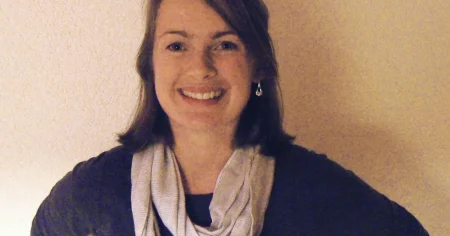

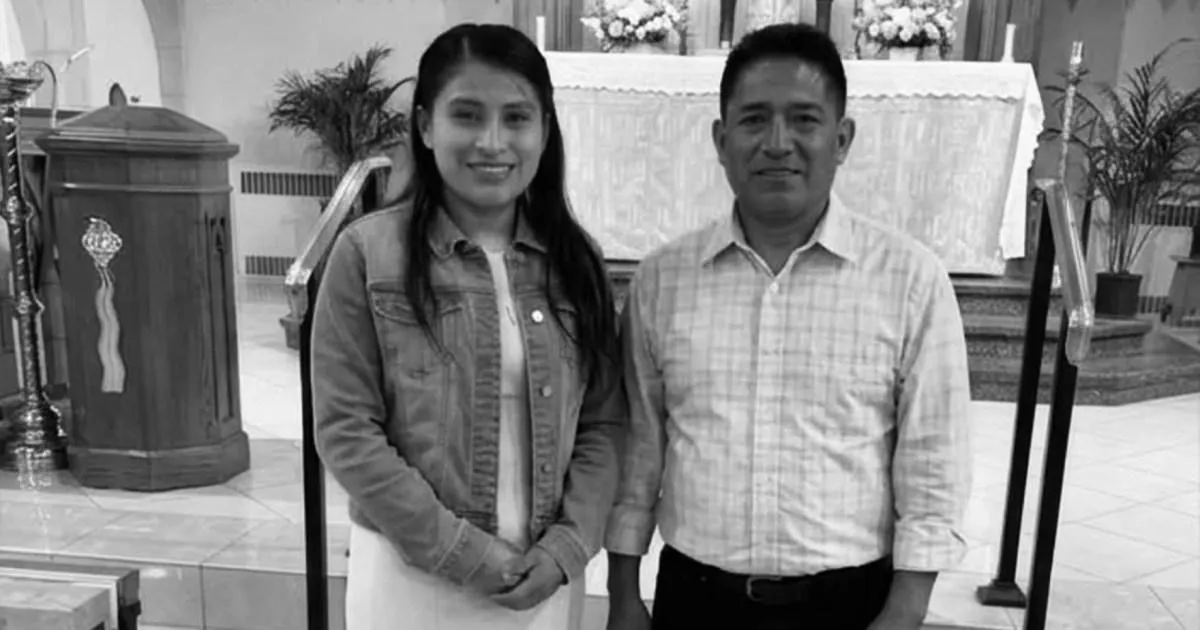
The tragic story of Nixon Giovanni Perez and Glendy Marisol Gonzalez serves as a harrowing reminder of the human cost behind global immigration policy. Once living in Missouri, the couple’s pursuit of a stable life was abruptly halted when Perez was deported back to Guatemala last year. What followed was a desperate attempt to keep their family unit intact. Gonzalez, left behind with their children, worked two jobs and was an active, vocal member of the Missouri Workers Center, showing incredible resilience even as her life in the U.S. began to crumble. Ultimately, fearing that remaining in the country would cost her custody of her children, she made the agonizing, selfless decision to “self-deport” in June, choosing the uncertainty of their home country over the permanent separation of her family.
Their return to Guatemala was intended to be a reunification, but instead, it led them into a nightmare. Last Tuesday, the couple was discovered murdered in a remote sugarcane field outside the city of Retalhuleu. The scene was horrific: the pair had been executed with their hands tied behind their backs, Perez suffering a gunshot wound to the neck and Gonzalez a fatal injury to the head. Beside their bodies, in a testament to the sheer heartbreak of the situation, their one-year-old daughter was found alive. The infant and her two siblings are now under the care of extended family, thrust into a world where their parents have been stolen by the very violence they originally sought to escape.
The investigation into their deaths is ongoing, with authorities recovering shell casings and a lone shoe at the scene, though no suspects have been named and the motive remains a chilling mystery. For those who knew them, the couple were far more than just names in a crime report. Gonzalez, in particular, is remembered by the Missouri Workers Center as a tireless advocate and a devoted mother who brought new members into their organizing efforts just weeks after giving birth. Her colleagues speak of her as someone who kept showing up to fight for her rights even as her world was collapsing, highlighting a strength of character that makes her untimely death even more difficult to process.
This tragedy unfolds against a backdrop of a massive, systemic surge in deportations. UN data indicates that nearly 32,000 people were sent back to Guatemala in the first half of 2026—a staggering 47% increase from the previous year. The vast majority of these individuals were sent back by the United States. As mass deportation programs ramp up, the risks faced by returnees—who often head back to countries plagued by organized crime and extreme instability—are becoming increasingly visible. By choosing to return to Guatemala, Gonzalez was not fleeing safety, but rather attempting to avoid a different kind of trauma: the legal and emotional devastation of being permanently separated from her daughters.
The situation in Guatemala has only worsened, with a documented spike in homicides linked to organized crime syndicates, prompting the government to announce emergency security measures. While U.S. Immigration and Customs Enforcement (ICE) has remained silent regarding the case, the Missouri Workers Center is preparing to host a vigil to honor the couple’s memory. This memorial will be more than just an act of mourning; it will be a public acknowledgment of the lives lost when the bureaucracy of borders collides with the survival instincts of families who are simply trying to stay together.
Ultimately, the story of Nixon and Glendy is a stark indictment of a system that often prioritizes policy over human safety. They were two parents who worked hard, contributed to their community, and loved their children deeply. Their journey from the roofing jobs of Missouri to a lonely sugarcane field in Retalhuleu is a devastating trajectory that highlights the lethal consequences of forced displacement. As their children grow up without their parents, the community left behind is left to grapple with the realization that in the pursuit of administrative order, the lives of those caught in the middle are too often treated as collateral damage.