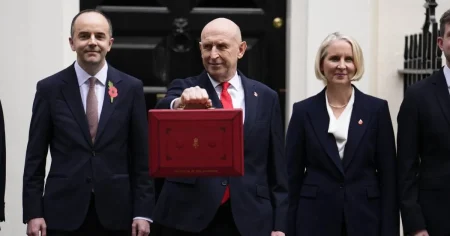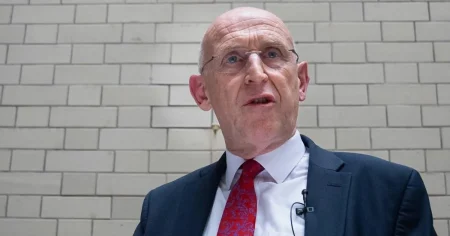


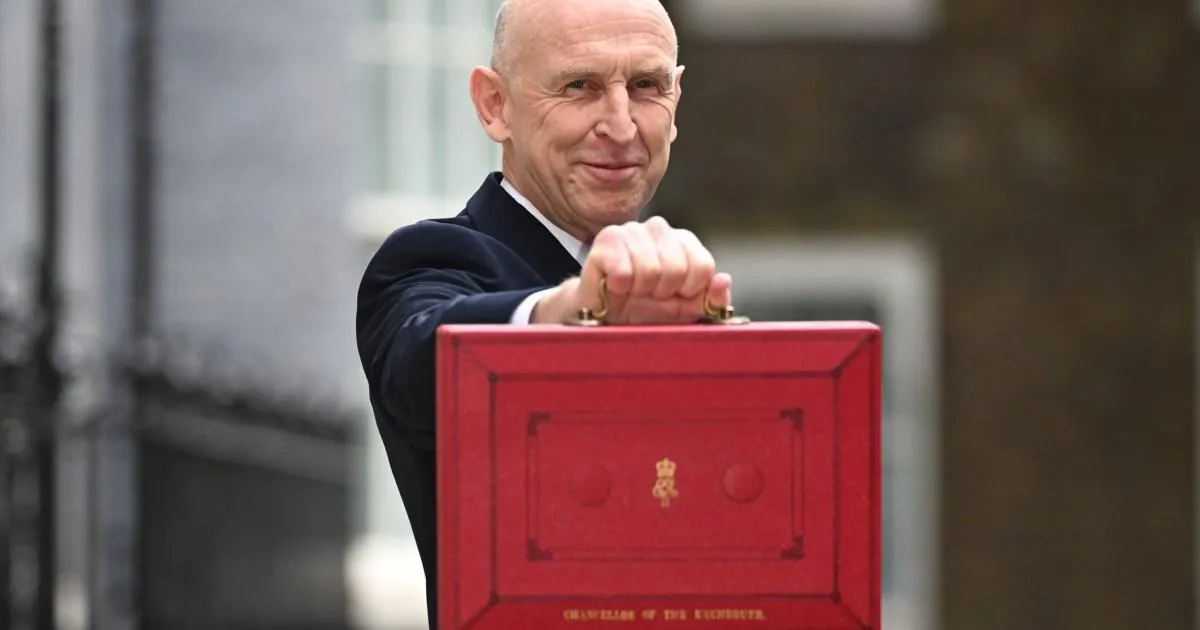
John Healey has delivered his first Budget as Chancellor, and if you’re feeling a little overwhelmed by the headlines, you’re not alone. Standing at the dispatch box in the House of Commons, the Labour Chancellor—appointed by Prime Minister Andy Burnham—unveiled a wide-ranging package that tries to balance a strained economy with the everyday pressures so many families are facing. There were no magic wands, but there were plenty of practical measures: wages going up, energy bills getting a bit of attention, housing schemes getting cash, and some ambitious promises on defence, technology, and even a possible Olympic bid. Healey framed his speech around helping working people and protecting the most vulnerable, but as with any Budget, the real impact will be felt in the small print. The Chancellor opened with a familiar message: the government has inherited a difficult economic situation, and this Budget is about making tough choices. He also made clear that Labour intends to govern differently from its predecessors, with more devolution to regional mayors and a focus on long-term investment rather than short-term fixes. If you were hoping for a single dramatic announcement, you might have been disappointed. Instead, this was a steady, methodical Budget designed to shave a little off bills, nudge wages up, and offer targeted help to those who need it most. From baked beans to bank surcharges, from the Bakerloo Line to Dolly Parton’s Imagination Library, there was something for almost everyone. The overall tone was cautious optimism: Labour wants to show it can manage the country’s finances while still doing something for those who are struggling. Whether that will be enough to silence critics remains to be seen. There will be plenty of time for political point-scoring, but for now, the focus is on what the changes mean for ordinary people. So let’s take a closer look at this Budget and what it actually means for your wallet, your home, and your future.
One of the headline acts was the increase in the National Living Wage and the National Minimum Wage, and this is where the Budget feels most personal. Both are going up by 3.9%, which is a solid rise in a climate where every penny matters. For over-21s, the National Living Wage will climb from £12.71 to £13.21 an hour. For younger workers aged 18 to 20, the minimum wage will rise to £11.27. Healey said this would help 2.3 million of the lowest-paid workers in the country. When you factor in National Insurance and a 3% pension contribution, a full-time minimum-wage worker would be around £1,150 better off each year. That’s not life-changing money for someone on a higher salary, but for a person earning at the lower end of the scale, it can mean the difference between managing and struggling. There was also a welcome change for self-employed fathers and partners: they will be eligible for paid parental leave for the first time. This closes a longstanding gap in family support and recognises that self-employed parents deserve the same security as everyone else. On pensions, low-income pensioners are being shielded from income tax. If increases to their state pension or other benefits take them over the £12,570 personal allowance, a new tax allowance will be introduced so they don’t get dragged into paying tax. This matters because pension rises can sometimes create an unexpected tax bill, and the government is trying to stop that from happening. There’s more than one way to read this. You could say it’s not a massive overhaul of the tax system, and you’d be right. But for the people directly affected, it’s a meaningful step. It’s about making sure that work and retirement are both rewarded, especially for those who have spent their lives contributing and now just want a fair deal. Overall, this part of the Budget was about putting a little more money into pockets and making the system feel fairer.
Then there’s the cost-of-living package, which is likely to be what most people remember when they look back at this Budget. Healey pledged a £100 direct payment for households in council tax bands A-D this winter. That covers around 20 million people, and it’s intended to give families a bit of breathing space as energy bills continue to bite. On top of that, the government is extending the VAT cut on energy bills through the winter and spring until July, which should take around £50 off the annual price cap. Perhaps more significantly, the Chancellor confirmed that standing charges on gas bills are being abolished for 23 million homes. Standing charges are the fixed daily fees you pay regardless of how much energy you use, and they’ve become a real frustration for many people, especially those who use very little gas. Scrapping them should make bills feel fairer and more reflective of actual usage. Fuel duty will also be frozen for the 16th year in a row, meaning petrol and diesel prices won’t go up at the pumps as a result of tax changes. And in a move that might raise a smile in kitchens across the country, import tariffs are being removed on more than 100 popular supermarket items, including baked beans, chocolate, and gherkins. That’s the kind of thing that doesn’t always make big headlines, but it could make a noticeable difference to the weekly grocery shop. It’s also a reminder that Budgets are not just about abstract numbers in Westminster; they’re about the price of the things you put in your trolley. Taken together, these measures are designed to ease the pressure on households without blowing a hole in the public finances. Whether they go far enough is another question, and critics will say that £100 here and £50 there is just tinkering around the edges. But the combination of a direct payment, lower standing charges, frozen fuel duty, and cheaper groceries signals that the government has heard the frustration about high bills and is at least trying to respond. For many families, every little bit really does count.
Housing was another major theme, and the news here is a bit more mixed. The tax-free Cash ISA limit will remain at £20,000, which is good news for savers. There had been speculation that the limit could be cut to £12,000, so keeping it as it is gives people more room to save without tax. For first-time buyers, there’s a significant change: the Lifetime ISA penalty for buying a home that costs more than £450,000 will be scrapped. That’s a relief for people in expensive areas, especially London and the South East, where the old limit was painfully restrictive. A new First Time Buyer Isa will replace it, though the details are still a little fuzzy and will need to be watched closely. There’s also a big injection for home ownership through the ‘Your First Home’ equity loan scheme, which will receive £4.7 billion of government-backed lending. This is designed to help people get onto the property ladder without needing a massive deposit, which remains one of the biggest barriers for young people today. On the other end of the housing crisis, the Government is putting an additional £432 million into the rough sleeping programme in England. That’s money aimed at getting people off the streets and into stable accommodation. It’s not just about putting roofs over heads; it’s about providing support services, mental health help, and long-term solutions to a problem that has become increasingly visible and urgent. Housing in Britain has been in a mess for years, with soaring rents, high house prices, and a chronic shortage of affordable homes. This Budget doesn’t solve all of that, but it does throw some significant money at the problem. The combination of help for first-time buyers and support for rough sleepers shows an attempt to address both ends of the housing spectrum. As with everything, the real test will be in the delivery. Announcements are one thing; getting homes built and people supported is another. But at least there are some concrete commitments on the table, and for people who have been locked out of the housing market or living on the streets, that offers a small measure of hope.
On defence and technology, Healey struck a more serious, geopolitical tone. He committed the UK to spending 3% of GDP on defence by 2030, which is a significant promise in an increasingly uncertain world. He said he would fully fund Britain’s defence investment plan, known as the DIP, which was Sir Keir Starmer’s plan promising £15 billion. However, in a slightly awkward detail, he only committed £10.3 billion to it so far. That leaves a gap that might raise eyebrows, especially with the promise of 3% looming in the distance. On Ukraine, the Chancellor announced an additional £10 million of economic and military support, plus half a billion pounds in urgent military funding this winter. His message to Moscow was clear: ‘Britain will stand with Ukraine for as long as it takes.’ That’s the kind of rhetoric that unites the House of Commons, and it reinforces the UK’s determination to support an ally under threat. There’s also another £500 million for AI safety and security, reflecting the growing importance of technology in both economic growth and national security. But the AI money comes with a catch: a new ‘British datacentre covenant’ will require datacentres to invest in their local area and ensure local water supplies are protected. That’s an interesting attempt to make tech companies contribute to the communities they operate in, rather than simply taking benefits. At the local level, the Chancellor announced plans to extend London’s Bakerloo Line and give more power to mayors. Mayors will be allowed to keep income tax receipts generated locally and use finance schemes to fund infrastructure. An initial £285 million has been allocated for projects in their areas. For Sadiq Khan, that means he can push ahead with things like extending the Bakerloo Line and expanding Euston station. It’s a shift towards devolution, giving city leaders more control over their own future. There are also new taxes on gambling, designed to raise money to improve Britain’s high streets. It’s a wide-ranging section of the Budget, but the thread is clear: the government wants to be both secure and forward-looking, with a strong defence, better technology, and local leaders making local decisions.
Finally, there are the smaller but still important measures that might not make the front page but could have a real impact on communities. The Government is increasing the threshold for small business rates relief for retail, hospitality, and leisure businesses from £12,000 to £18,000. This will take around 70,000 businesses out of paying business rates altogether. For struggling high streets and local shops, that’s a huge help. Healey said he wanted to support the businesses that ‘give character to our communities’, and this move does exactly that. There’s also £15 million going to children’s charities, including Dolly Parton’s Imagination Library, which sends free books to children up to age five. It’s a small amount in the grand scheme of things, but it’s a lovely gesture that invests in early literacy and gives families a tangible benefit. In a more surprising announcement, £7 million will be used for a feasibility study into a possible future bid to hold the Olympics and Paralympics in northern England. That’s a long shot, but it shows ambition beyond the usual London-centric focus and could bring major investment to a region that often feels left behind. Banks, though, won’t be celebrating as much: they’ll pay an extra 3% on the bank surcharge for 15 months from January. That’s a tax on the financial sector to help fund other priorities, and it’s a reminder that someone has to pay for all these promises. So, what’s the overall picture? This Budget is trying to do a lot at once. It’s raising wages, lowering energy costs, helping first-time buyers, strengthening defence, supporting local businesses, and even planting a flag for a future Olympic bid. It’s not a radical revolution, but it’s a solid attempt to ease pressure on households while making some strategic investments. There will be arguments about whether the numbers add up, and some critics will say the help is too small or too late. Others will question the defence gap or the reliance on bank taxes. But for the millions of people who are simply trying to get through the winter, the changes to wages, bills, and taxes might just make things a little easier. And in the end, that’s what a Budget should be about: not just balancing the books, but helping people live their lives with a bit more security and a bit less worry.