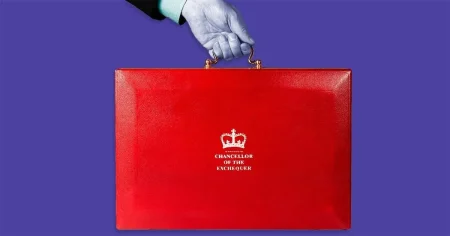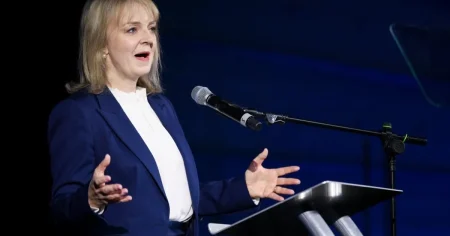



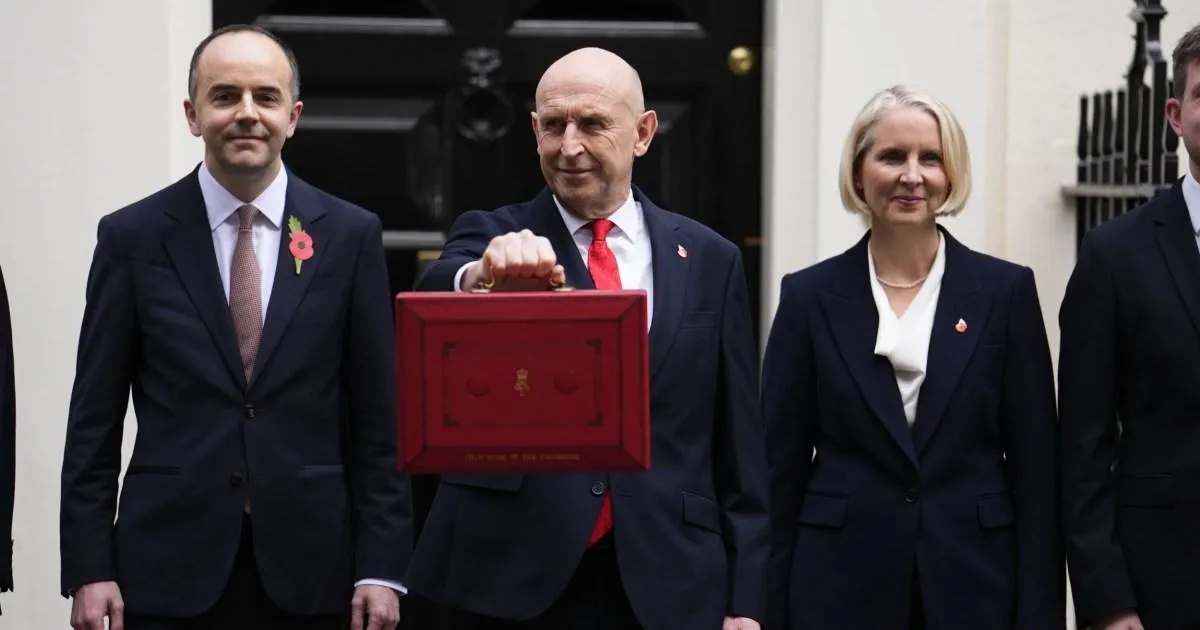
When Chancellor John Healey stood up to deliver the Budget, he framed it as a response to “global economic storms” stirred up by the wars in the Middle East and Ukraine, storms that have pushed up costs and inflation and left families and businesses feeling battered. His promise was to offer “breathing space now and fresh hope for the future” for hard-pressed households, and he aimed the Budget squarely at “working people of Britain” and “British businesses big and small.” He insisted Labour had kept its word not to raise taxes on working people, but as with any Budget, the real question is what it all means for your wallet. The answer, inevitably, is mixed: some people will come out ahead, while others—especially those who rely on income from savings or property—may feel a new squeeze. If energy bills are your biggest worry, there is some immediate help on the way. The Chancellor extended the VAT cut on electricity, which had been due to end in March 2027, until July 2027, and that is expected to knock around £50 off the annual energy price cap in April 2027. On top of that, if your home is in council tax bands A to D in England, you could receive a one-off £100 Household Energy Payment from January 2027, a move that will reach some 20 million people. For the longer term, the government says it will only build new energy projects that genuinely lower bills, and it plans to abolish gas standing charges in Great Britain by the end of 2027, with a parallel reform of electricity standing charges to follow. But there is a catch: if standing charges are scrapped and replaced by higher costs per unit of energy used, then bigger, draughtier homes that rely heavily on gas could end up paying more, while well-insulated, low-usage households could benefit. As Edward Gurney, an energy expert, put it, “the savings will depend heavily on individual circumstances.” So the headlines sound reassuring, but the fine print means your actual bill will depend on how you live.
If you spend a lot of time behind the wheel, there is brighter news. The fuel duty cut that took 5p off a litre of petrol and diesel back in March 2022 has been extended again, now running until July 1, 2027, and the Budget estimates that across this Parliament the fuel-duty decisions will leave the average car driver around £230 better off than under the previous government’s plans. If you use your own car or van for work, the tax-free mileage rate for your first 10,000 business miles is rising from 45p to 55p a mile, and that increase is being made permanent. For anyone driving more than 10,000 business miles in a year, the rate for each additional mile will rise from 25p to 35p from April 6, 2027. The government calculates that someone doing 6,000 business miles a year could save up to £120 in tax, while someone doing 15,000 miles could save up to £300. Electric vehicle drivers are not forgotten either: the government is putting £100 million over two years into reducing costs at local, lower-powered public chargers, and from spring 2027 that is expected to save around £150 a year for the average EV driver who has no home charger and depends on on-street charging. For workers on the minimum wage, there is a real pay rise coming. The National Living Wage for workers aged 21 and over will rise by 3.9% from £12.71 to £13.21 an hour from April 1, 2027, adding roughly £910 to the gross annual earnings of a full-time worker. The rate for 18- to 20-year-olds will rise to £11.27, and the rate for 16- to 17-year-olds and eligible apprentices will go up to £8.31. Carers get a promise of change, but they will have to be patient. Currently, to claim Carer’s Allowance, you generally need to care for someone at least 35 hours a week and earn no more than £204 a week after tax, National Insurance and allowable expenses; the payment itself is £86.45 a week. The infamous “cliff edge” means that earning even slightly over the limit can wipe out the entire payment. The Chancellor says he will remove that cliff edge and replace it with a taper that gradually reduces the benefit as earnings rise, but the new system will not be implemented until 2030–31, because it requires a new IT system to adjust payments automatically. For pensioners, there is a significant change aimed at preventing more people from being dragged into tax on their State Pension. The full new State Pension is now £241.30 a week, which works out to £12,547.60 a year—dangerously close to the frozen Personal Allowance of £12,570. That leaves only £22.40 of spare allowance, so even a small amount of other taxable income could trigger a tax bill, and future inflation-linked increases could push pensioners over the threshold even if the State Pension is their only income. From April 2027, the new Pension Tax Allowance will mean that people above State Pension age with total income up to and including the value of the new State Pension will not pay income tax. The allowance will run until April 2030 and taper for those with incomes just above the full new State Pension. Around 500,000 pensioners are set to benefit, with roughly 290,000 paying no tax at all and the rest receiving a tapered allowance.
For families and those planning to start one, the Budget contains a welcome but still vague measure: from April 2029, eligible self-employed fathers, partners and adopters in Great Britain will be able to receive parental pay for the first time. This will also help some people who are recently employed or unemployed, or who have broken or irregular work patterns and therefore do not currently qualify for statutory paternity or adoption pay, provided they have enough work and earnings history. The government estimates that more than 150,000 parents a year could benefit, but it has not yet said how much the payment will be or how long it will last. If you earn money from savings or property, though, the news is less comforting. Tax on income from property and savings will rise by a further two percentage points from April 2027, on top of the two-point rise announced last year. That means for savings income, the rates will be 24% for basic-rate taxpayers, 44% for higher-rate taxpayers and 49% for those paying the additional rate. The Chancellor stressed that 84% of income-tax payers are forecast to be unaffected by the combined changes, but for savers who do feel the pinch, the importance of using tax-free ISA allowances has never been greater. There had been a plan to cut the amount you could put into a cash ISA each year from £20,000 to £12,000 for those under 65, starting on 6 April 2027, with over-65s allowed to keep the full £20,000. That plan has now been reversed. The cash ISA cut will not go ahead. Instead, the Chancellor will explore a new incentive for people investing in a stocks and shares ISA for the first time, though no details have been given. Savings experts have called for clarity. Kevin Mountford of Raisin UK noted that fewer than one in five people feel they understand the planned cash ISA changes, and said: “Today’s change must be followed by a clear explanation of the allowance, who it applies to and when. Savers need certainty they can plan around.” For renters, there is little direct help, despite rising rents, and the independent Office for Budget Responsibility has previously warned that increasing property income tax could ultimately push rents up by reducing the supply of rental properties as more landlords leave the market. However, if you are trying to buy your first home, there are three new announcements. People with an existing Lifetime ISA who buy a first home worth over £450,000, where the purchase otherwise meets the scheme’s rules, will see the withdrawal charge fall from 25% to 20%. The £450,000 limit for charge-free withdrawals remains, and the usual 25% charge still applies to other unauthorised withdrawals. There will also be a new First-time Buyer ISA to replace the Lifetime ISA for new savers, plus a scheme called Your First Home, already announced at the Labour Party Conference, which is aimed at helping more people onto the housing ladder. Experts gave it a cautious welcome, though it appears limited to newbuild homes in England bought through participating developers. James Nightingall of HomeFinder AI said the scheme “looks promising on paper and whilst it might not be the best solution for everyone, it will undoubtedly enable and motivate first time buyers to get on the property ladder.” But the new First Time Buyer ISA will not arrive until 2029, and it still seems to cap qualifying home purchases at £450,000, which experts say would exclude many properties in London and other expensive areas. Rachael Griffin of Quilter warned that retaining the £450,000 cap “risks carrying an old problem into a new product,” and suggested that a lifetime limit on the government bonus might be fairer than a rigid house-price ceiling that becomes increasingly outdated as prices rise.
Beyond the big-ticket items of energy, tax and housing, the Budget scatters a range of smaller measures that could touch your everyday life. If you enjoy a pint from a smaller brewer, you might find it a little cheaper, because the Chancellor announced £10 million a year in alcohol duty relief for more than 2,000 small British brewers and cider makers. That could cut the price you pay, but only if producers pass the saving on. There is also stronger tax incentive for producers of drinks below 3.5% alcohol by volume, so lower-alcohol options could become more attractive, again depending on whether the savings reach the shelf. Your grocery bill is unlikely to change dramatically, but tariffs on 100 products have been cut, including marmalade, baked beans, chocolate-coated wafers and gherkins—an eclectic mix, as the government itself seems to acknowledge. Combined with tariff reductions announced earlier in the summer, the government says these changes will save households up to £21 a year on their food shop, though how much of that actually reaches shoppers will depend on how much of the saving supermarkets and producers pass on. As the article dryly notes, unless you are Paddington Bear, there is not much to get excited about here. For small businesses, there is more meaningful help. The threshold for small business rates relief will rise from £12,000 to £18,000 for qualifying retail, hospitality and leisure properties in England, and the tapered-relief threshold will rise from £15,000 to £21,000. That means more businesses will pay no rates at all, and the government says half of retail, hospitality and leisure properties in England will pay no business rates. If your business is in one of those sectors but does not qualify for full relief, rates will be frozen in real terms. If you like to gamble, there is a tax rise coming: from April 2027, Machine Games Duty will rise from 20% to 25% on higher-stake machines with stakes over £1, though the existing rate will remain for lower-stake machines in pubs and seaside arcades. And if you have a side hustle, there is genuinely good news. The tax-free Trading Allowance, which currently lets you earn £1,000 from a side hustle without paying income tax, will rise to £3,000 from 6 April 2027, covering qualifying trading and miscellaneous income. That is a significant boost for anyone selling crafts online, doing freelance work, or running a small gig on the side.
To bring all of this down to real life, the Budget includes a set of illustrative scenarios that show how the measures could affect different kinds of people. Take a young family like Nigel and Yvonne, who have two children and both work full time on the minimum wage. From April next year, each will earn about £910 more over a full year before tax and National Insurance, giving them £1,820 between them. They will also receive a one-off £100 Household Energy Payment in January, if they live in an eligible council tax band A to D home in England, and the extended electricity VAT cut is expected to save them around £50 on the annual price cap from April 2027. Nigel drives 6,000 business miles a year in his own car and claims mileage tax relief, which could save him up to £120 a year, while the wider fuel-duty decisions are expected to leave an average driver around £230 better off across this Parliament. Yvonne sells crafts on Etsy, and with the Trading Allowance rising from £1,000 to £3,000, she could save up to £400 in income tax at the basic rate if she has at least £3,000 of qualifying income. Together, these measures could be worth about £2,720 across different periods, before any tax or benefit changes. Then there is Zara, a single first-time buyer saving for a home without family money. If she qualifies for the new Your First Home scheme, she could get a 20% equity loan with just a 2.5% deposit. On an eligible £250,000 home, that would mean a £6,250 deposit and a £50,000 equity loan, leaving a £193,750 mortgage. The first five years of the loan would be interest-free, with charges rising gradually after that. From April 2029, the new First Time Buyer ISA will offer a 25% government bonus on savings used to buy a qualifying first home worth up to £450,000, so saving £4,000 could earn a £1,000 bonus, up to a maximum bonus of £20,000. The help is still some way off, and it is a loan rather than a gift, but it could make buying possible sooner. For Louise, who cares for her mum at least 35 hours a week and receives Carer’s Allowance, the Budget’s promise to replace the cliff edge with a gradual taper is life-changing in principle, but frustrating in practice. At today’s allowance rate, if Louise earned £30 a week over the current limit, she would keep £56.45 of her Carer’s Allowance instead of losing all £86.45—that is about £2,935 more allowance over a year than under the current rule. But she will have to wait until 2030 for the change. And for pensioner couple Margaret and Peter, who both receive the full new State Pension and live in an eligible council tax band A to D home in England, the household could receive a £100 energy payment in January 2027, plus around £50 off the annual price cap from the extended VAT cut. From April 2027, the new Pension Tax Allowance is intended to stop pensioners whose total income is no higher than the full new State Pension from being dragged into tax because of State Pension increases, which could save them money, though exactly how much is impossible to say yet.
In the end, the Budget’s overall message is exactly what the Chancellor promised: “breathing space now, fresh hope for the future.” There is no doubt that some people will feel genuine relief—minimum-wage workers will earn more, drivers will keep the fuel duty cut, small businesses will get rates relief, side hustlers will be able to earn more tax-free, and many pensioners will be protected from paying tax on their State Pension. But the Budget is not a universal windfall. Savers and property investors face higher taxes, renters get little direct help, and some of the most significant changes, like the Carer’s Allowance taper and the new First Time Buyer ISA, are years away. The energy bill help is real but modest, and the abolition of standing charges could end up hurting some households while helping others. The government’s own scenarios show that a young family could be around £2,720 better off across different periods, but that figure depends on a combination of wage rises, energy support, mileage relief, fuel duty savings and side-hustle tax breaks—all of which vary with individual circumstances. The most honest summary is that what you actually gain from this Budget will depend on who you are, where you live, how you work, and what you spend your money on. For the working people the Chancellor says he is championing, there are reasons to feel cautiously optimistic. For those who rely on investment income, rental properties, or who fall into the gaps between the headline announcements, the picture is more complicated. The Budget offers a little something for many, but not everything for everyone, and the true test will be whether the promised long-term changes actually deliver the lower bills, better housing and fairer system that the government is aiming for. For now, the advice from experts is clear: check your own circumstances, use your tax-free allowances where you can, and keep an eye on the details as they emerge. After all, the difference between a Budget that helps you and one that leaves you feeling squeezed often lies not in the big speeches, but in the small print.