
The Battle for Labour’s Soul: Trans Rights Protest Threatens to Overshadow Party Conference
The atmosphere in Liverpool this weekend will be electric with tension as Andy Burnham’s inaugural Labour Conference threatens to be overshadowed by a storm of protest before the main event has even begun. Party faithful from across the country are descending upon the city with a singular purpose: to challenge the party’s controversial decision to bar trans women from participating in the Labour Women’s Conference. This gathering, traditionally a moment of unity and shared purpose, now finds itself at the centre of a furious ideological battle that speaks to deeper questions about identity, inclusion, and what it truly means to be part of the Labour family. The protests, which have been brewing for months and have now crystallised into a significant mobilisation effort, represent one of the most visible challenges to the party leadership’s stance on transgender issues since the Supreme Court ruling on biological sex last year reshaped the political landscape around gender identity.
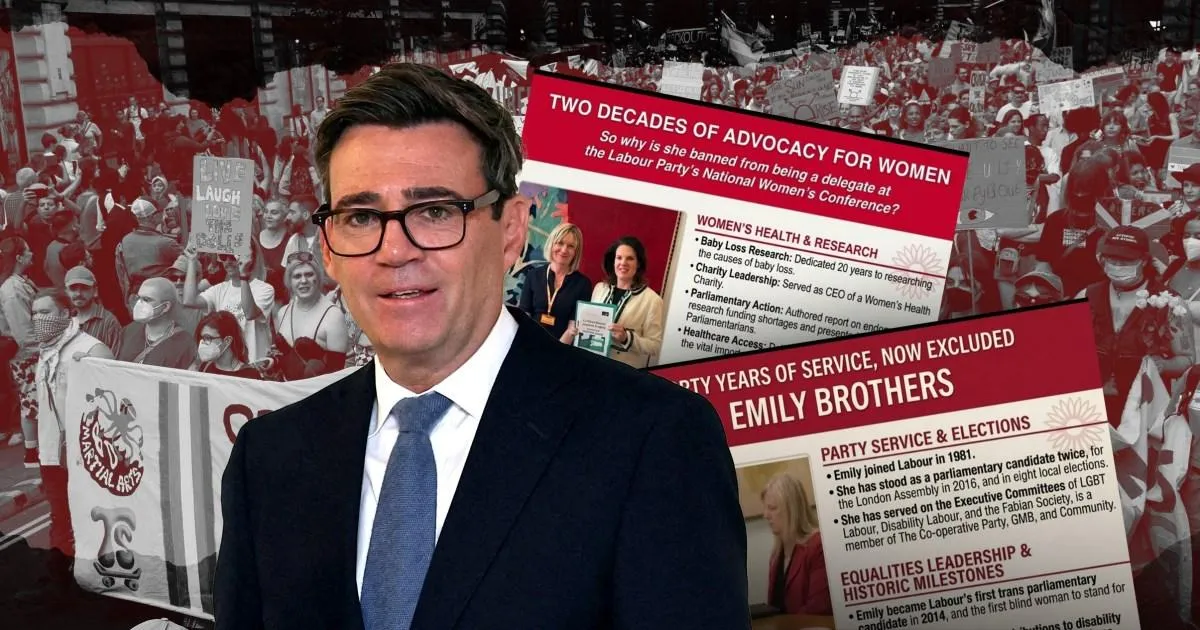
At the heart of this dispute lies a deeply personal struggle for recognition and belonging, exemplified by figures like Emily Brothers, who has been a Labour member since 1981 and made history as the party’s first openly trans parliamentary candidate in 2015. Now, after more than four decades of dedication to the Labour cause, Brothers finds herself locked out of events she helped build and excluded from opportunities she once fought to create. Her voice cracks with emotion as she describes the pain of being forced to protest against the very institution she has called home for most of her adult life. The personal nature of this dispute cannot be overstated – these are not abstract political disagreements but visceral wounds inflicted on individuals who have given their hearts and careers to the Labour movement. For Brothers and others like her, the exclusion from the Women’s Conference is not merely a procedural matter but an existential erasure, a signal that the party she loves no longer recognises the person she is.
The institutional weight behind the protests adds another layer of complexity to an already fraught situation, with the Commercial Workers Union now joining the boycott alongside powerful labour organisations including Unison, Aslef, Usdaw, and the Musicians’ Union. Union sources suggest that nearly all of the eleven unions affiliated to Labour are planning to stay away from the Women’s Conference, delivering a devastating blow to the event’s legitimacy and drawing sharp attention to the depth of opposition to the party’s position. Labour’s relationship with the trade union movement has always been its lifeblood, and this coordinated boycott represents perhaps the most serious rupture in that relationship in recent memory. The unions’ decision to withdraw their participation sends an unmistakable message that this issue transcends mere internal policy squabbles and touches upon fundamental principles of solidarity and mutual respect that have long defined the labour movement’s ethos. Liverpool’s Trade Union Council has thrown its considerable weight behind the protests, with Secretary Margaret McAdam expressing full opposition to the exclusion and pledging widespread support for the demonstrations.
The grassroots mobilisation taking shape across the country reveals a party deeply divided against itself, with local Labour groups from places like Harlow in Essex organising contingents to travel to Liverpool specifically to stand in solidarity with their trans colleagues. Councillor James Griggs, who is coordinating the Harlow group’s participation, articulates a sentiment that seems to be spreading like wildfire through local party branches, expressing both his dismay at the ban and his determination to be counted among those opposing it. The fact that councillors, long-serving members, and at least one MP are willing to publicly defy their party’s leadership on such a sensitive issue speaks volumes about the strength of feeling that this decision has generated. These are not rebels or malcontents but loyal Labour people who believe they are fighting to protect the very values that attracted them to the party in the first place. Their willingness to sacrifice the usual comforts of conference attendance to stand on the picket line outside represents a profound act of conscience that the party leadership cannot easily dismiss or ignore.
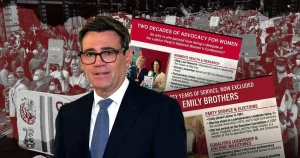
The meticulously planned demonstrations will unfold against the backdrop of the conference venue at the Experience Campus, where activists distributing professionally produced leaflets highlighting what they describe as ‘the injustice’ against two long-serving trans women members will greet party faithful as they arrive. Organisers have ensured that every element of the protest has been carefully considered, from the striking imagery on the promotional materials to the logistics of getting demonstrators from across the country to Liverpool. The fact that someone has even offered to pay for a coachload of protestors to travel from Hampshire demonstrates the extraordinary lengths to which supporters are willing to go in support of their trans colleagues. Steph Richards, a women’s health campaigner and former Labour women’s officer who has been organising the demonstration, captures the growing sense of momentum and determination when she speaks about Labour being in a really difficult position. The protests, she insists, are building real power and attracting participation from people who have never before considered demonstrating against their own party.
As the weekend approaches, Andy Burnham and the Labour leadership find themselves caught between competing pressures that threaten to define the conference and perhaps the party’s direction for years to come. The official response, expressed through a party spokesperson’s carefully worded statement about commitment to advancing women in politics and compliance with the law, appears to offer little room for compromise or dialogue with those who feel excluded and marginalised. Yet the growing chorus of opposition from within the party’s own ranks suggests that this position may be becoming increasingly untenable. Emily Brothers’ pledge to ask delegates not to enter the conference and her determination to challenge the party chair and legal representatives directly underscores the depth of hurt and frustration that this dispute has engendered. The question that hangs over Liverpool this weekend is not merely whether the protests will be large or small, but whether they will force a genuine reckoning within the Labour Party about how it reconciles its commitment to women’s rights with its professed values of inclusion and respect for all its members. The answer to that question may well determine not just the fate of this year’s conference but the very identity of the party itself in the years ahead.