


The city of Berlin is currently grappling with an unsettling and pervasive environmental challenge that has forced residents to reconsider how they enjoy their local green spaces. An aggressive infestation of oak processionary caterpillars has swept across all twelve districts of the German capital, turning serene parks, popular playgrounds, and local sports facilities into off-limits zones. What might seem like a mere nuisance at first glance has quickly escalated into a significant public health alert, prompting city authorities to cordon off affected areas and restrict public activity in an attempt to curb the spread. The sheer reach of these caterpillars has disrupted the rhythms of summer life in Berlin, leaving families and outdoor enthusiasts frustrated as their favorite communal spaces are abruptly shuttered.
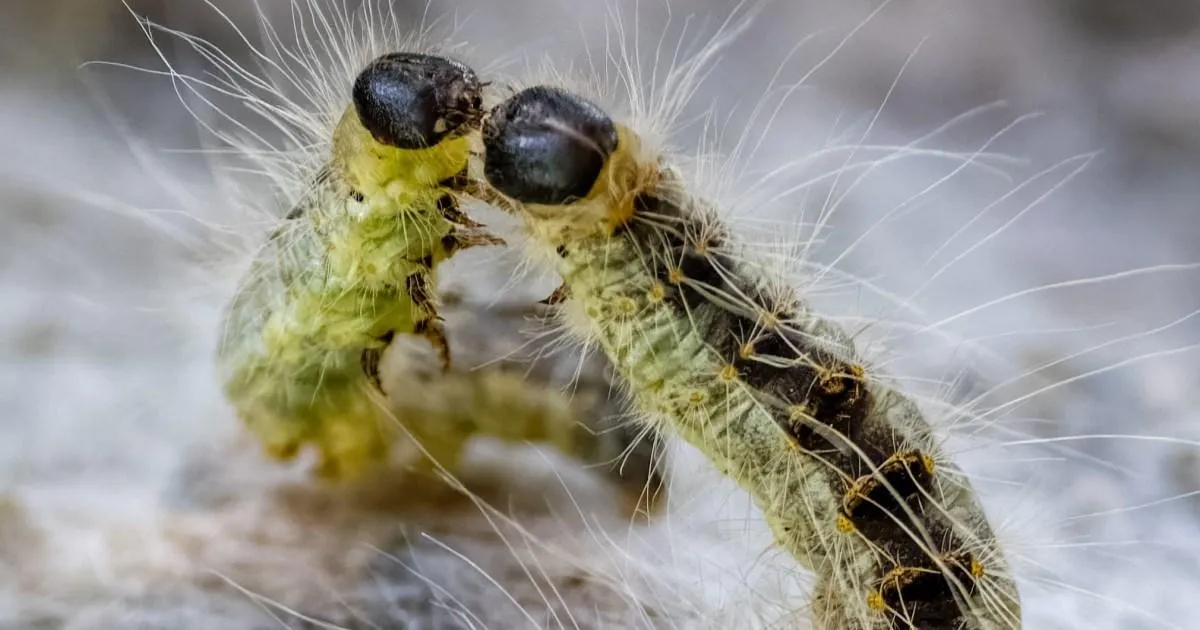
The source of this concern lies in the peculiar anatomy of the caterpillars themselves. While they may appear small and insignificant, these creatures are blanketed in hundreds of thousands of microscopic, barbed hairs. These aren’t just mere irritants; they are highly volatile. These tiny bristles are so light that they can be easily caught and transported by a gust of wind, drifting far from the trees where the caterpillars nest. When these hairs come into contact with the skin or are inhaled by unsuspecting humans or pets, they trigger severe allergic reactions, ranging from painful skin rashes to more alarming respiratory distress. The insidious nature of these hairs means that one doesn’t even need to touch the caterpillar to suffer the consequences, making the pests difficult to avoid.
The impact of this infestation has been both widespread and immediate, casting a long shadow over the city’s typical summer festivities. The Jungfernheide family center was forced to cancel its long-awaited summer festival, a blow to the local community that relies on such events for social cohesion and family recreation. Furthermore, popular hangouts like Görlitzer Park have seen their use heavily restricted, leading to a temporary ban on public barbecues—a staple of German summer life. These closures are not just inconveniences; they represent a loss of the shared freedom and leisure that Berliners cherish during the warmer months, as the fear of invisible airborne irritants keeps people confined to indoor environments.
In response to the encroaching crisis, local district authorities have taken a firm stand, uniting to petition the Berlin Senate for a more aggressive, top-down approach. They argue that this is no longer a localized botanical issue—a simple matter of plant protection—but rather a legitimate public health hazard that requires a unified, city-wide response. By elevating the status of the infestation, the districts hope to secure the necessary funding and centralized coordination to tackle the problem systematically. They have specifically prioritized the protection of vulnerable sites, naming schools, daycare centers, and public sports facilities as the areas where immediate, preventative action is non-negotiable.
The battle against the caterpillars is just as intense as the threat they pose, requiring specialized techniques and persistent intervention. Maintenance crews are currently engaged in a laborious effort to clear the nests, employing methods such as industrial vacuuming and the application of high-pressure foam or hot water to safely neutralize the colonies. This manual labor is both dangerous and time-consuming, yet it remains the only viable path to regaining control over the parks. As workers suit up in protective gear to manually remove the nests, the public is being forced to exercise extreme caution, a reminder of how quickly nature can disrupt the infrastructure of a modern city.
This struggle in Berlin mirrors a global pattern of emerging biological threats, where the fragility of our ecosystems is laid bare. Whether it’s the oak processionary caterpillar in Europe or the harrowing reports of the New World screwworm in Texas, communities worldwide are grappling with the reality that pests can have a profound impact on our health and our economy. As Berliners wait for the infestation to be brought under control, their plight serves as a poignant reminder of our connection to the living world. For now, the city remains on high alert, prioritizing the safety of its citizens while hoping that the warmer, windier days don’t exacerbate a situation that has already changed the face of their summer.