



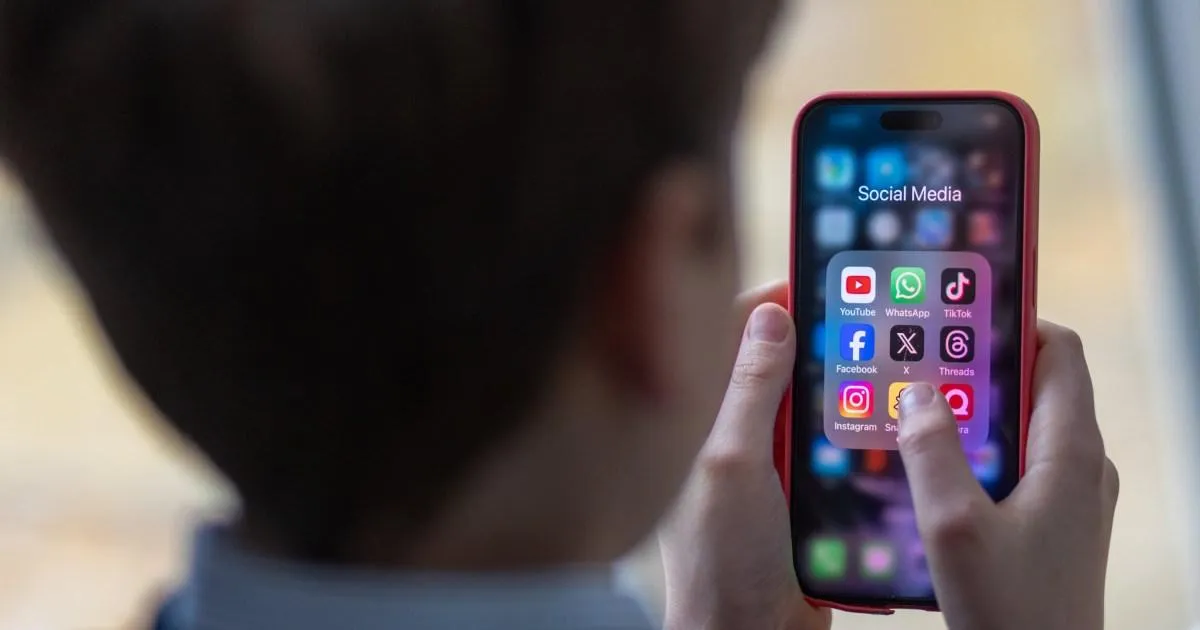
The global conversation surrounding children’s mental health and social media usage reached a fever pitch last December when Australia implemented a world-first ban, prohibiting the under-16s from accessing ten major digital platforms. Prime Minister Anthony Albanese championed the move as a way to give “children their childhood back” and offer parents much-needed peace of mind. Observing this precedent, the UK government quickly took note, launching its own consultation process this past March. Recently, Sir Keir Starmer’s administration solidified its trajectory, confirming that a similar ban will be rolled out by next spring. While the policy is framed as a critical safeguard for digital childhoods, the real-world evidence from Australia suggests that the path to protecting children online may be far more complex—and less effective—than policymakers hope.
The practical reality of the Australian experiment serves as a cautionary tale for British officials. Professor Kathy Modecki, an academic from the University of Western Australia currently tracking the impact of these restrictions, notes that the ban lost its teeth almost immediately. According to her research, any bewilderment young people felt during the first two weeks of the policy quickly evaporated. Once the initial adjustment period passed, the ban essentially became a non-event, with minors effortlessly bypassing age-verification protocols. Whether through creative digital workarounds or simple visual spoofing like drawing fake moustaches during facial scans, the barriers proved to be more of a game than an obstacle for tech-savvy teenagers who have grown up entirely within the digital landscape.
In response to the clear cracks in the Australian model, the UK government has pledged to integrate “highly effective age assurance” (HEAA) systems to avoid similar pitfalls. Online Safety Minister Kanishka Narayan has suggested that the government will rely on evolving technology—including artificial intelligence for facial analysis and rigorous ID checks—to fortify the wall between minors and social media giants. Yet, critics argue that this pursuit is a perpetual game of “whack-a-mole.” As quickly as regulations evolve, young people find new, sophisticated ways to circumvent them. Professor Modecki warns that relying on hardware and software tricks to police behavior is inherently reactive and often misses the mark when compared to the agility of today’s youth.
The core tension in this debate lies in where responsibility truly sits: with the families trying to manage a child’s screen time, or with the tech giants designing the algorithms. Professor Modecki contends that by fixating on a blanket ban, we risk shifting the burden of safety onto parents and children, effectively letting the platforms off the hook. She draws an uncomfortable comparison: in no other industry would we allow corporations to serve up potential harm to users and then permit those same companies to determine their own safety standards. By focusing exclusively on “keeping kids off apps,” the government may be bypassing the harder, more necessary work of forcing companies to audit and remove the toxic content that makes these platforms so hazardous in the first place.
Moreover, the argument for a total ban glosses over the nuanced way children actually use these tools. While social media can be a minefield of predatory content and harmful trends, it is also a vital lifeline for many. For young people who may feel isolated in their offline lives—due to lack of physical resources or personal identity struggles—online communities often provide essential support, mental health information, and a sense of belonging. Professor Modecki notes that cutting these connections risks alienating the most vulnerable, suggesting that a blunt instrument like a ban might accidentally sever the very lifelines that help some children navigate difficult realities.
Ultimately, the UK government remains convinced that the “sum of the downsides” outweighs these individual benefits, arguing that families currently feel a total loss of agency over what their children encounter online. While this perspective is rooted in a genuine, empathetic desire to protect, the experience from Australia cautions us that legislation alone cannot force a digital environment to become safe. If the policy is to succeed where others have faltered, the focus must shift from merely checking birthdates at the door to enforcing strict, systemic improvements in how these platforms operate. Without fundamental changes to the algorithmic architectures of social media, a ban risks being nothing more than a symbolic gesture—a temporary puzzle that children will continue to solve, while the underlying dangers remain ever-present.