


The legal battle surrounding the status of Palestine Action has reached a pivotal turning point following a Court of Appeal ruling that upholds the government’s decision to label the group a terrorist organization. This move, originally set in motion by former Home Secretary Yvette Cooper after activists vandalized aircraft at an RAF base in Oxfordshire, sparked significant debate regarding the boundaries of political protest. While the High Court had initially deemed the government’s proscription unlawful earlier this year, the Court of Appeal has now overturned that decision. A panel of five judges, led by Lady Chief Justice Baroness Carr, concluded that the government acted within its rights to maintain public order and national security, asserting that a “fair balance” had been struck.
In justifying the proscription, Lady Chief Justice Baroness Carr drew a sharp distinction between legitimate civil disobedience and the clandestine tactics employed by Palestine Action. She argued that while the group may enjoy support from citizens who are otherwise law-abiding, it is a grave error to equate their methods with historical movements like the suffragettes. Unlike those transparent, ideological campaigns, the court characterized Palestine Action as a cell-based, secretive entity that purposefully uses violence and property destruction to further its aims. For the judiciary, these methods cross the line from protected political expression into the realm of organized, unlawful activity that qualifies as terrorism under current legal frameworks.
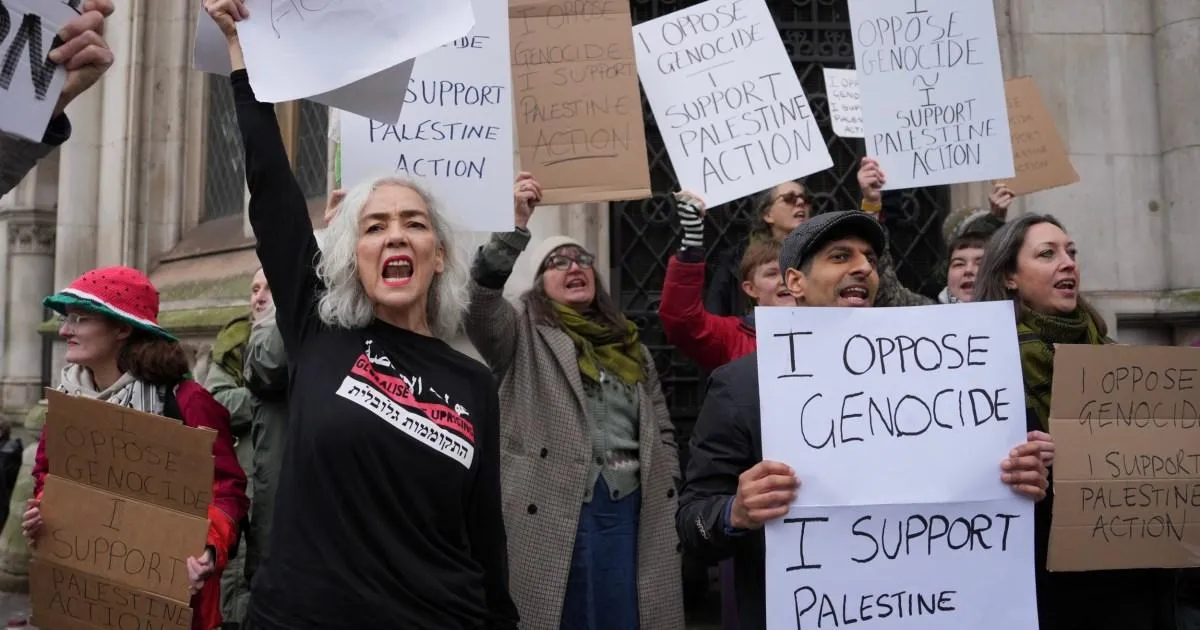
Unsurprisingly, the organization’s co-founder, Huda Ammori, has rejected the ruling, framing it as an attack on the fundamental democratic freedoms enshrined in the Human Rights Act and the European Convention of Human Rights. Ammori maintains that the group’s actions are a legitimate form of political necessity and has signaled her intent to escalate the challenge to the Supreme Court and, if necessary, the European Court of Human Rights. To her supporters, the designation of “terrorist” is a political maneuver designed to stifle dissent rather than address the substance of their claims. This defiant stance sets the stage for a protracted legal saga that will continue to test the limits of what the British state considers permissible protest.
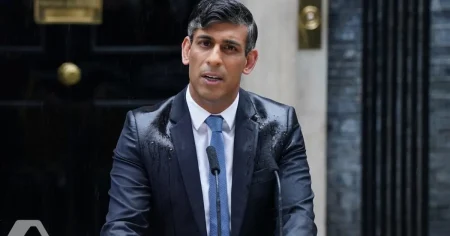
Current Home Secretary Shabana Mahmood has welcomed the court’s intervention, reinforcing the government’s stance that Palestine Action operates outside the bounds of a healthy democracy. She took pains to clarify that this ruling is not an indictment of those who support the Palestinian cause through lawful avenues, but rather a surgical strike against a group whose methods threaten national security. The government’s narrative remains clear: there is a categorical difference between advocacy—which remains a fundamental right—and the intimidation of the public, which they argue this group actively encourages. By delegitimizing the organization, the Home Office aims to provide law enforcement with the tools necessary to curtail these specific disruptive activities.
The gravity of this legal shift is underscored by recent, high-profile criminal cases involving the group’s members. Just days before the appeal verdict, four activists were sentenced to several years in prison for a raid on an Elbit Systems factory in Bristol, which resulted in £1.2 million in damages. Notably, the court treated these acts of criminal damage as terrorism, with one activist receiving a hefty sentence following a violent confrontation that left a police officer with a fractured spine. This represents a significant evolution in how UK courts view militant protest, moving beyond simple property crime charges toward a much harsher, security-focused classification that carries potential prison sentences of up to 14 years for those associated with the group.
As the legal dust settles, the implications for thousands of demonstrators across the UK remain profound. With membership or active support for Palestine Action now a criminal offense, the environment for pro-Palestine activism has become far more restrictive and fraught with personal risk. The tension between the state’s duty to protect public infrastructure and the citizenry’s desire to forcefully express political dissent is at an all-time high. Whether this ruling restores a sense of order or merely radicalizes the discourse further remains to be seen, but the message from the judiciary is definitive: the days of utilizing clandestine, violent disruption under the guise of protest are, at least in the eyes of the law, officially over.