


Trevoole Moor in Cornwall, once a serene sanctuary for wildlife and a cherished destination for local nature lovers, has suffered a transformation so profound that residents are calling it a “catastrophe.” Where there were once tranquil lakes, vibrant beehives, and nesting birds, there now lies a sprawling scar of industrial ruins. Over the last two decades, this 25-acre wetland—which borders the historic Pendarves Woods—has been systematically decimated by illegal fly-tipping. What was once a thriving habitat has been flattened and smothered under layers of construction debris, turning a piece of Britain’s natural heritage into one of the country’s most egregious examples of organized waste crime.
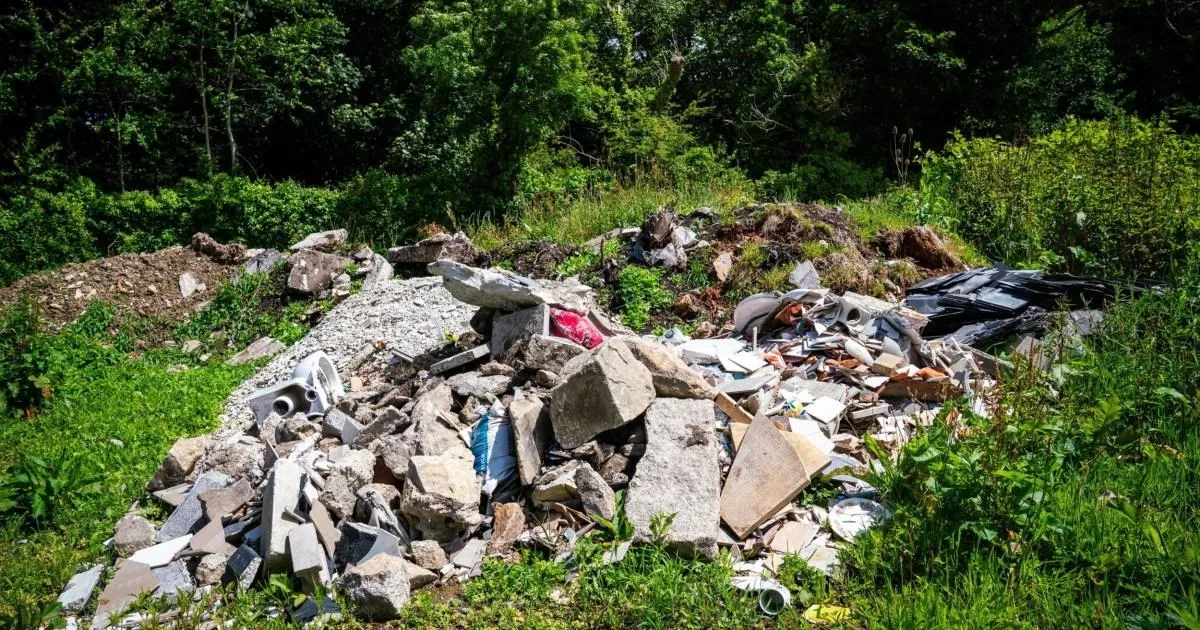
The sheer scale of the environmental degradation is difficult to comprehend. Recent imagery of the site reveals a landscape choked by the detritus of modern neglect: mountains of broken concrete, rusted pipes, discarded tires, and even the porcelain remains of dozens of toilets. Locals who remember the moor in its prime describe the current state of the land as “unbelievably appalling.” For those who live nearby, seeing a place that formerly provided solace and beauty now littered with burnt-out sofas and industrial rubble is a painful illustration of how quickly neglect and criminality can erase the charm of the countryside.
For the people who live in the shadow of this wreckage, the damage feels permanent. Many believe that roughly 15 acres of the moor have been the primary target of this dumping, with the land being cleared and filled repeatedly over the years to make room for more illicit loads. While authorities have begun to take notice, the prevailing sentiment among the residents is one of profound cynicism. One neighbor shared that the investigation comes far too late, noting that the site is now “destroyed beyond all recognition.” There is a deep, lingering sadness in knowing that the wildlife haven they once enjoyed has been sacrificed to the greed of those who use the cover of rural isolation to dispose of waste cheaply and illegally.
The legal and bureaucratic response to the crisis paints a picture of a system struggling to keep pace with “cowboy” operators. The Environment Agency has finally intervened, issuing formal illegal waste stop notices to landowners and hauliers, and they have promised that their investigation is nearing a conclusion with the intent to pursue those responsible. However, for the local community, these institutional assurances feel thin. There is a sense that the perpetrators have operated with a level of comfort, believing they could strip-mine the aesthetics of the landscape without facing any real consequences.
Political pressure is now mounting, with local MP Andrew George vowing to bring the matter before national ministers. George has described the situation as a scandalous example of environmental abuse, emphasizing that such flagrant acts of pollution cannot be met with apathy. He has called for a significant toughening of enforcement measures, arguing that the law needs to make an example of these individuals to deter the growing trend of rural fly-tipping. The frustration here is palpable; in a national climate where waste crime seems to be on the rise, politicians are finding that their local constituents are demanding not just speeches, but definitive, punitive action.
Ultimately, the plight of Trevoole Moor serves as a sobering reminder of how vulnerable our natural spaces truly are when they are treated as nothing more than dumping grounds. While the Environment Agency focuses on closing its investigation and the MP navigates the halls of Westminster, the community is left to look out over a landscape that has been irrevocably altered. The hope remains that by finally shining a light on this disaster, the perpetrators can be brought to justice—though, for the residents who watched the beehives and birds disappear, the restoration of the land will likely be a long, arduous, and perhaps impossible journey.