


As the summer sun begins to warm the UK, millions of us are heading outdoors to embrace the beloved British tradition of al fresco dining. Whether it’s a quiet picnic in the park or a lively weekend BBQ in the garden, these social occasions are the highlight of the season. However, new research conducted by the vet-recommended supplement brand YuMOVE reveals a hidden danger lurking amidst our spread of dips, meats, and picnic “picky bits.” It turns out that those affectionate scraps we toss to our four-legged companions are causing a significant—and often ignored—impact on their long-term health, leading to unnecessary weight gain and widespread digestive discomfort.
The findings are quite startling: more than half of all dog owners admit to indulging their pets with extra treats during these sunny social gatherings. Because dogs are smaller than us, even the smallest morsel of picnic food represents a massive, disproportionate chunk of their required daily energy. In fact, scraps gathered during a single afternoon can account for over half of an average 8kg dog’s total daily calorie intake. When you consider that 73% of these dogs end up suffering from digestive issues as a direct result of these “extras,” it becomes clear that our kindness is unintentionally undermining their well-being.
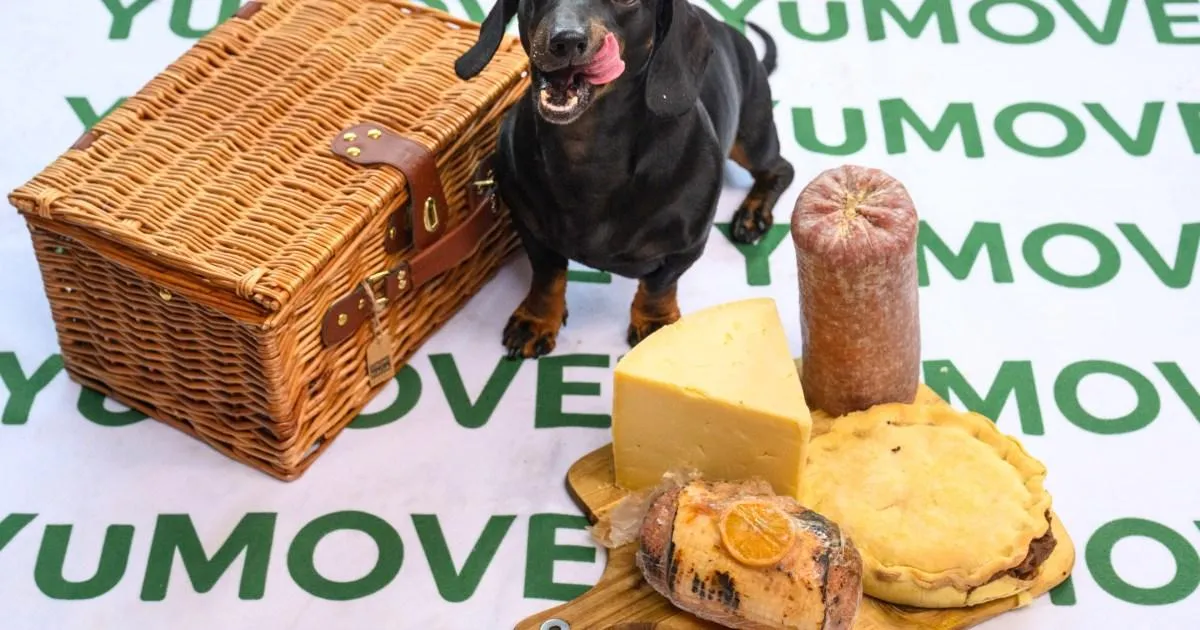
To truly drive this point home, YuMOVE hosted a “Puppy Picnic” designed to visualize the shocking impact of human food. For an 8kg dog, such as a Jack Russell, eating a single pork sausage is the caloric equivalent of a 200-pound man snacking on five and a half sausages at once. The problem is compounded by the fact that, unlike humans who might skip a dinner after an afternoon of snacking, dogs will typically devour their full dinner on top of the treats. Items like a sausage roll or a chunk of cheddar cheese can account for 70% or over 50% of a dog’s daily calories respectively, creating a cumulative energy surplus that leads to rapid weight gain.
Beyond the weight issues, there is a serious concern regarding the direct harm that human food can cause to a dog’s internal system. Courtney Miller, Chief Veterinary and Innovation Officer at YuMOVE, notes that summer months consistently see a surge in digestive problems, specifically following warm spells and bank holiday BBQs. She emphasizes that we must be hyper-aware of “hidden” dangers; some foods that are safe for us, such as chocolate, grapes, raisins, and onions, are toxic to dogs regardless of the portion size. Feeding them from our plates isn’t just about weight; it is a hazardous game of trial and error that our pets’ stomachs are not designed to win.
However, opting for a healthier lifestyle for your dog doesn’t mean you have to exclude them from the joy of family picnics. It is about making smarter, informed choices. As a general rule of thumb, experts suggest that a lightly active dog requires about 40 calories per kilogram of body weight each day. You can still share the snack time experience by swapping high-calorie, processed meats for dog-friendly alternatives. Treats like blueberries or carrot sticks provide a satisfying crunch and a snack-like experience without the dangerous caloric overload or the risk of toxic ingredients, allowing you to share the moment while keeping their health safely in balance.
Ultimately, keeping our dogs happy and by our sides for as many years as possible requires a bit of mindfulness about how we share our food. By utilizing resources like the YuMOVE PETSPAN initiative—a comprehensive 25-step guide for pet longevity—owners can better understand their dog’s nutritional needs and avoid the “puppy eye” trap that leads to unhealthy habits. A little knowledge goes a long way. When we stop viewing our picnic leftovers as appropriate dog treats, we aren’t being “mean” to our furry friends; we are protecting them from unnecessary illness and ensuring they have the energy and vitality to keep enjoying those beautiful summer days with us.