

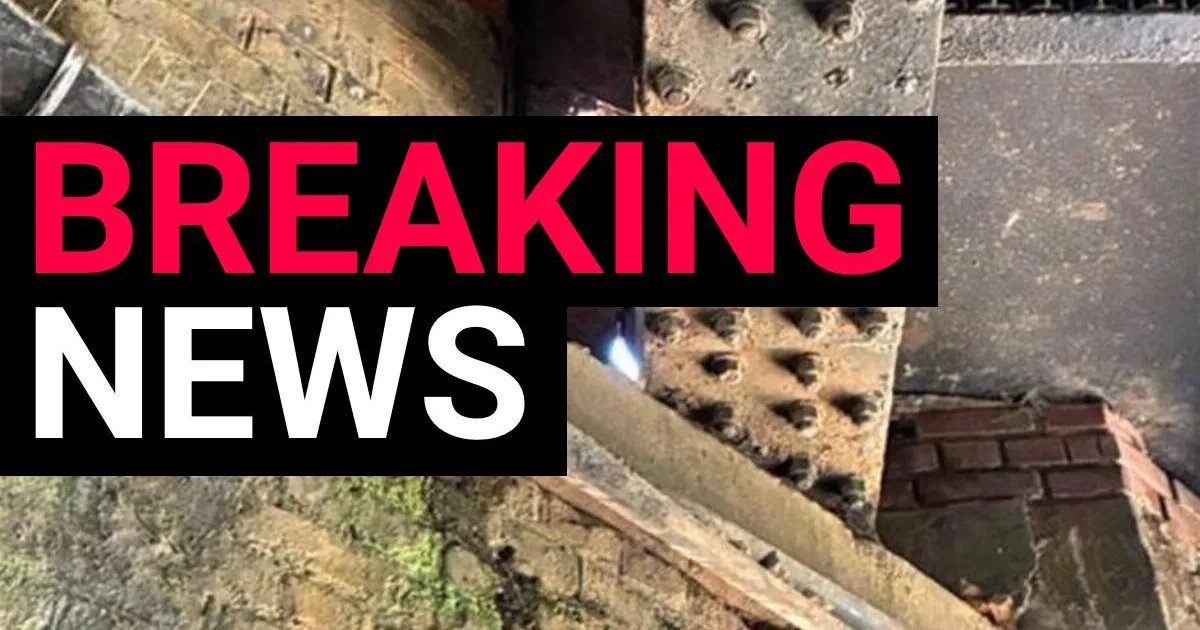
The sudden appearance of sinkholes beneath a railway bridge near Purley has turned what should have been the exciting start of summer holidays into a grueling ordeal for thousands of travelers. As sunlight glinted through the structural gaps of the bridge, engineers were forced to sound the alarm, declaring the tracks unsafe for public use. This discovery, made during routine maintenance, prompted an immediate suspension of all services between Purley and East Croydon. For passengers heading toward Gatwick Airport, the news arrived as a crushing blow, leaving many stranded and scrambling to navigate a transit network that had effectively fractured in an instant.
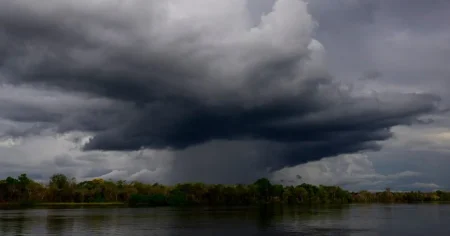
The atmospheric photos of the site reveal the gravity of the situation, showing a bridge that is no longer a gateway, but a chasm waiting to happen. Network Rail has emphasized that the closure was a mandatory safety precaution, prioritize human life over the convenience of commuters and jet-setters alike. However, the reality on the ground has been anything but orderly. In the vacuum left by the cancelled trains, the surrounding areas have become hotspots of frustration and desperation. With the rail artery severed, passengers were left to fend for themselves in a chaotic landscape of overcrowded bus queues and limited transport alternatives.
The human cost of this infrastructure failure has been immediate and, for many, financially punishing. With public transport breaking down, opportunistic fare surges have hit travelers hard, with some reports indicating that taxi drivers were charging upwards of £250 to bridge the short gap to East Croydon. Those unable to pay these steep prices were forced to endure hours of exposure in long, snaking queues for emergency replacement buses. It is a stark reminder of how fragile our connectivity is; a few patches of unstable earth can unravel the schedules of thousands of people, turning a simple journey into a test of patience and endurance.
Southern Railway and Network Rail have responded with apologies, acknowledging the profound inconvenience caused by the unprecedented disruption. Their latest guidance is blunt: they are actively discouraging any travel through the affected corridor until at least Monday. The scale of the fallout is immense, as the ripple effects have forced complex diversions and complete service cancellations throughout the south of England. Whether it is commuters bound for the coast or vacationers trying to catch flights, the directive remains the same—if you do not have to travel, stay home.
For those who must move, the journey has become a logistical nightmare. Services between London Victoria and the southern coastal hubs of Bognor Regis and Portsmouth are being diverted via Dorking, while other lines are being cut short at Haywards Heath. The frustration is palpable, with travelers warned that any remaining alternative routes will be dangerously crowded, facing delays of at least ninety minutes. The once-dependable rhythm of the Southern rail network has been replaced by a state of flux, where nothing is guaranteed and every traveler is essentially on their own, trying to decipher a disrupted map of cancellations and detours.
As crews work around the clock to ensure the ground is stable enough to bear the weight of heavy trains once more, there is a collective sense of vulnerability among those who rely on the rails. Sinkholes are an unpredictable force of nature, yet they remind us that the massive infrastructure we take for granted every day sits on terrain that is constantly changing. As the weekend progresses, the hope is that those stranded will eventually reach their destinations, but the incident serves as a sobering lesson in how quickly our meticulously planned lives can be brought to a standstill by the very ground beneath our feet.