


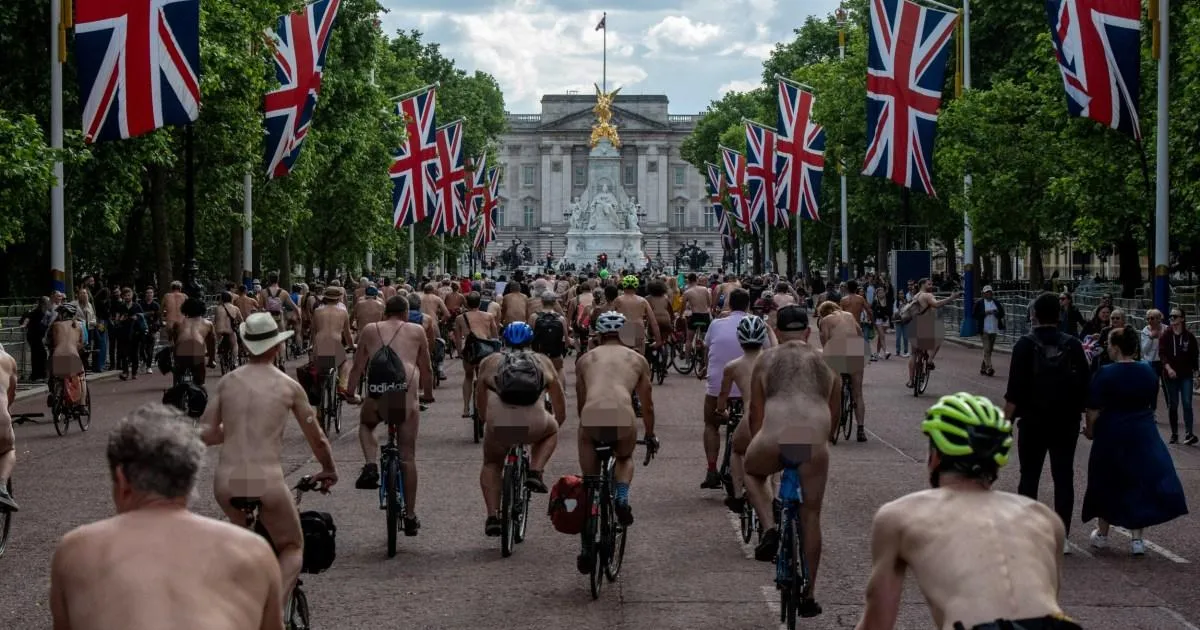
London is bracing for a truly unique spectacle today as over 1,000 cyclists prepare to take to the streets in a display that is as bold as it is unconventional. The annual World Naked Bike Ride (WNBR) is making its yearly return to the capital, an event that has been turning heads and sparking conversations since it first began in 2004. While tourists and startled commuters might be surprised to see such an eye-catching visual parade winding through central London, the participants view their lack of clothing as a non-negotiable statement rather than a mere gimmick. Despite occasional calls for the event to be shut down, organizers maintain that this is a peaceful, fully legal form of public protest aimed at challenging the status quo.
At its core, the WNBR is much more than a shock-inducing stunt; it is a calculated demonstration against modern car culture. By stripping down, riders aim to draw attention to the vulnerability of cyclists in a city dominated by motor vehicles. This protest extends into a broader critique of our global dependency on oil, using the stark contrast of human bodies against steel machinery to highlight the environmental and social costs of our current transportation habits. It’s a physical manifestation of the need for change—a way to force motorists and pedestrians alike to stop, look, and think about the carbon-heavy systems we often take for granted.
Beyond the political objectives, there is an undeniably human element at play: the celebration of body freedom. In an era where filters, social media standards, and societal pressures dictate how we should look, the WNBR provides a refreshing, albeit radical, space forBODY positivity. By riding in the open, participants reject the shame often associated with the human form, choosing instead to embrace vulnerability and confidence. This aspect of the event resonates with thousands of people who participate in similar rides across the globe every year, proving that the desire to be comfortable in one’s own skin is a universal human ambition.
Logistically, the event is remarkably accessible, staying true to its grassroots, anti-establishment roots. There is no registration process, no entry fee, and no corporate sponsorship—riders simply show up at the designated start times. This year, organizers made the strategic decision to shift the ride to a Sunday, cleverly avoiding the heavy traffic and security focus surrounding the Trooping of the Colour. By choosing this secondary day, they ensure that the ride can proceed with minimal disruption while ensuring the safety and visibility of its participants as they weave their way through various city landmarks.
For those curious about the geography of this massive undertaking, the ride is decentralized, beginning at several key hubs across London. Riders are convening at spots as diverse as Clapham Junction, Croydon, Deptford, and Tower Hill, among others, eventually merging into a cohesive procession. Whether meeting at the early morning start point in Hackney or joining the final groups at Wellington Arch, the sheer scale of the organization reflects a dedicated community of volunteers. The day is designed to end on a celebratory note, with an “AfterParty” at The Steel Yard serving as a space for participants to connect, unwind, and reflect on the day’s message once the biking is done.
Ultimately, the World Naked Bike Ride stands as a testament to the power of unconventional protest. While some may focus on the nudity, those involved are focused on the message: that we must move toward a more sustainable, human-centered existence. By stripping away everything—both literally and metaphorically—these cyclists are asking the city to slow down, reconsider its reliance on fossil fuels, and embrace a little more freedom in daily life. Whether you view it as a necessary political statement or a daring act of self-expression, it is impossible to ignore the message these riders are pedaling through the very heart of the capital.