

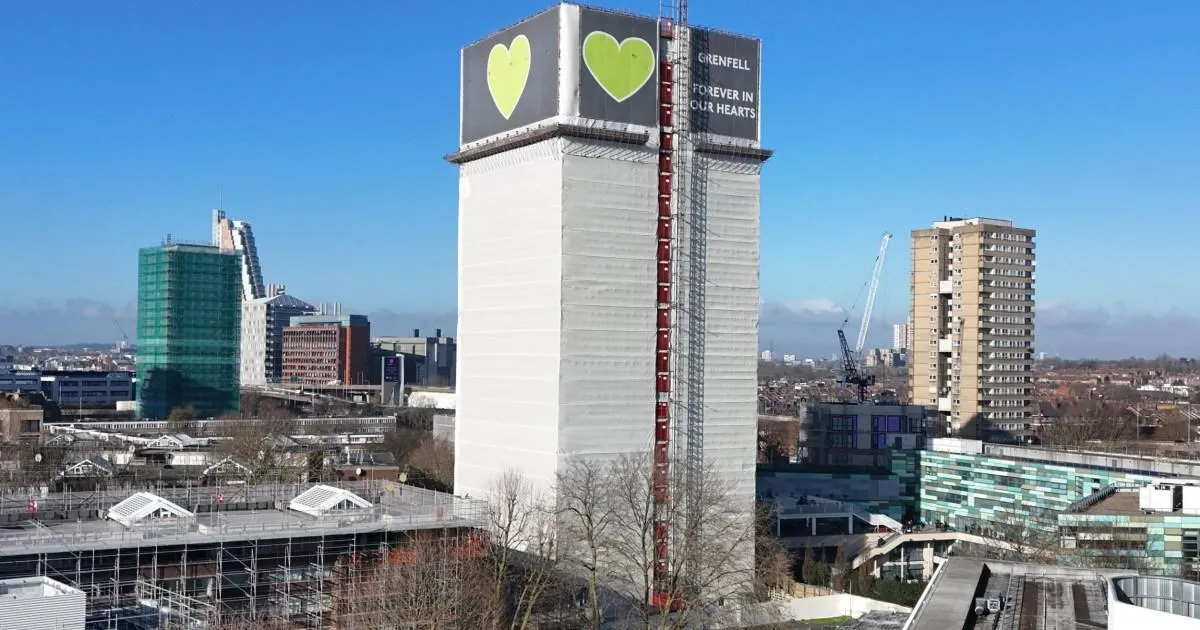
The ninth anniversary of the Grenfell Tower tragedy marks a somber and significant juncture for the bereaved families and survivors who continue to live in the shadow of that horrific night in June 2017. As they gather once more in West London, there is a profound sense of transition; this is the final year the tower will stand before its scheduled demolition completes, erasing the physical structure that has served as a silent, haunting monument to the 72 lives lost. For those who endured the fire, this anniversary is not merely a date; it is a difficult milestone in a marathon for accountability that has stretched far too long.
The path toward legal resolution has been agonizingly slow, though a recent development has provided a flicker of hope. Authorities have confirmed that nearly 60 individuals and 20 corporations are currently under scrutiny for potential criminal charges. Prosecutors are weighing offenses that range from fraud and egregious health and safety failures to corporate gross negligence manslaughter and official misconduct. As survivor Edward Daffarn poignantly noted, while the prospect of charges is a step forward, the delay has been nothing short of “torturous.” In the eyes of many, the old adage remains true: justice delayed is justice denied, and the wait has only deepened the scars of those still mourning.
The public inquiry’s final report, released in 2024, did little to soothe the anger of the community; if anything, it confirmed their worst fears. It laid bare a culture of systemic incompetence, greed, and dishonesty, highlighting “decades of failure” by both government bodies and the building industry. The report painted a harrowing picture of corporate malpractice, where companies knowingly manipulated fire safety testing and misrepresented data to keep combustible, dangerous materials on the market. These findings validated the survivors’ claims that the tragedy was not an unpredictable accident, but a foreseeable catastrophe born from a blatant disregard for human safety.
As the community prepares for Sunday’s traditional silent walk, the atmosphere is heavy with the weight of change. For the first time, families will not be able to gather at the base of the tower to lay flowers or pay their private respects, as the site is now in the midst of a multi-year deconstruction process. This loss of a physical focal point has left many grappling with how to mourn effectively. The Grenfell Tower Memorial Commission, in collaboration with families and the local community, is working to establish a permanent memorial, but the absence of the building itself signifies the end of an era—one where the neighborhood has been defined by the ruin looming over the skyline.
The government has stated its commitment to ensuring the tragedy is never forgotten, yet for the people of North Kensington, words are a poor substitute for the justice they have been fighting for for nearly a decade. The upcoming tenth anniversary next year will be a watershed moment, as officials have promised that decisions regarding criminal prosecutions will be finalized by then. This deadline hangs over the community, serving as both a source of potential closure and a reminder of the immense effort required to hold the powerful to account. The prospect of seeing those responsible held legally liable remains the primary focus for organizations like Grenfell United.
Ultimately, Sunday’s church service and the reading of the 72 names serve as a testament to the resilience of a community that refuses to be silenced or sidelined. Even as the tower is dismantled piece by piece, the memory of those lost remains unshakeable. The survivors continue to advocate for systemic change, hoping that by exposing the greed and systemic failings that led to the fire, they can prevent such a catastrophe from ever occurring again. As the sun sets on the ninth anniversary, the focus turns toward a future where the promise of justice must finally be met with action, ensuring that the legacy of Grenfell is not just one of mourning, but of meaningful, structural change.