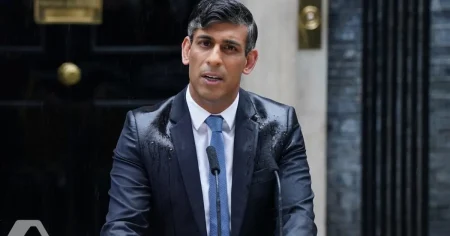



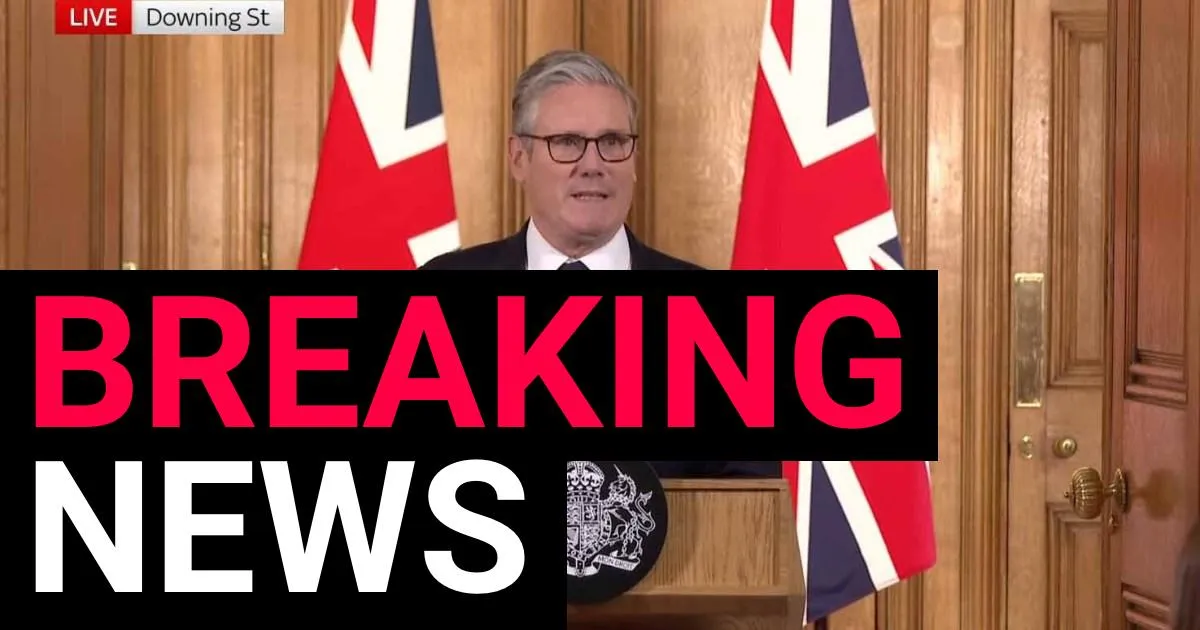
Prime Minister Sir Keir Starmer has officially announced a landmark policy that will fundamentally reshape the digital landscape for the next generation: a complete ban on social media for children under the age of 16. During a spirited press conference at Number 10, the Prime Minister was met with applause, confirming that the legislation is set to pass through Parliament before the end of this year. With an implementation date slated for early 2027, the move marks a decisive, if controversial, effort by the government to reclaim the childhood experience from the pervasive influence of the digital age. This decision follows a robust public consultation process that garnered over 110,000 responses, signaling a clear national appetite for change regarding how our children interact with the internet.
Speaking with the transparency of a parent rather than just a politician, Sir Keir framed his decision through the lens of fatherhood. He candidly questioned whether the current social media ecosystem can truly be considered a safe or nourishing environment for young people. His argument struck a chord with families across the UK: he highlighted how these platforms are intentionally engineered for addiction, utilizing psychological triggers like the “infinite scroll” to keep young users tethered to their screens for hours on end. By positioning the ban as a necessary intervention against systemic unhappiness and the increasing threat of digital bullying, the Prime Minister has sought to pivot the conversation from abstract regulation to the tangible wellbeing of children.
The announcement was met with profound relief and gratitude from families who have been most deeply affected by the dark side of online life. Bereaved parents—some of whom have campaigned tirelessly for years following the tragic losses of their children—praised the Prime Minister for acknowledging the human cost of the current status quo. Figures like Ellen Roome and Lisa Kenevan, who have suffered unimaginable losses, noted that they felt finally “heard” by government leadership. While they remain vigilant about how the law will be applied in practice, acknowledging that “the devil is in the detail,” they viewed this moment as a validation of their struggles and a victory for the safety of children still growing up today.
Despite the applause in the halls of government, the policy arrives amidst a divided national sentiment. A recent poll by the IPPR think tank illustrates a country that is largely split; while 44% of the general population favors a total ban, a significant 39% remains cautious, preferring stricter regulation over outright prohibition. However, when the data is narrowed down to the primary stakeholders—parents with children under 16—the support for a ban climbs to a clear 54%. This suggests that while a significant portion of the adult population is wary of sweeping state intervention, those currently raising children under the shadow of social media are increasingly desperate for a hard, enforceable boundary.
The road to this policy has been a long and politically charged one, heavily influenced by global trends—most notably the precedent set by Australia, whose own ban served as a catalyst for British lawmakers. The pressure had been building for months as the House of Lords repeatedly pushed for the inclusion of age or functionality restrictions within existing education bills. What began as a debate over “safety features” eventually evolved into the commitment we see today. By formalizing this, the Labour government is betting that the long-term benefits of shielding young, developing minds from algorithmic exploitation will outweigh the inevitable technical and social hurdles of enforcement.
As we look toward 2027, the focus for the government shifts from rhetoric to logistics. Tech Secretary Liz Kendall will be tasked with the complex responsibility of overseeing how this ban is realistically enforced without infringing on the fundamental connectivity that defines modern life. It is, undeniably, an ambitious and unprecedented experiment. As these rules are drafted and implemented, the nation will be watching closely to see if a legal ban can effectively curb the tide of addiction and exploitation, or if it will spark new debates about parental autonomy and digital freedom. For now, however, the government has chosen a side in the fight for our children’s mental health, marking a turning point in the history of the UK’s relationship with technology.