
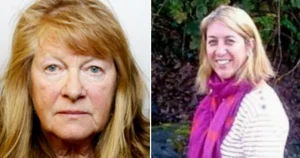

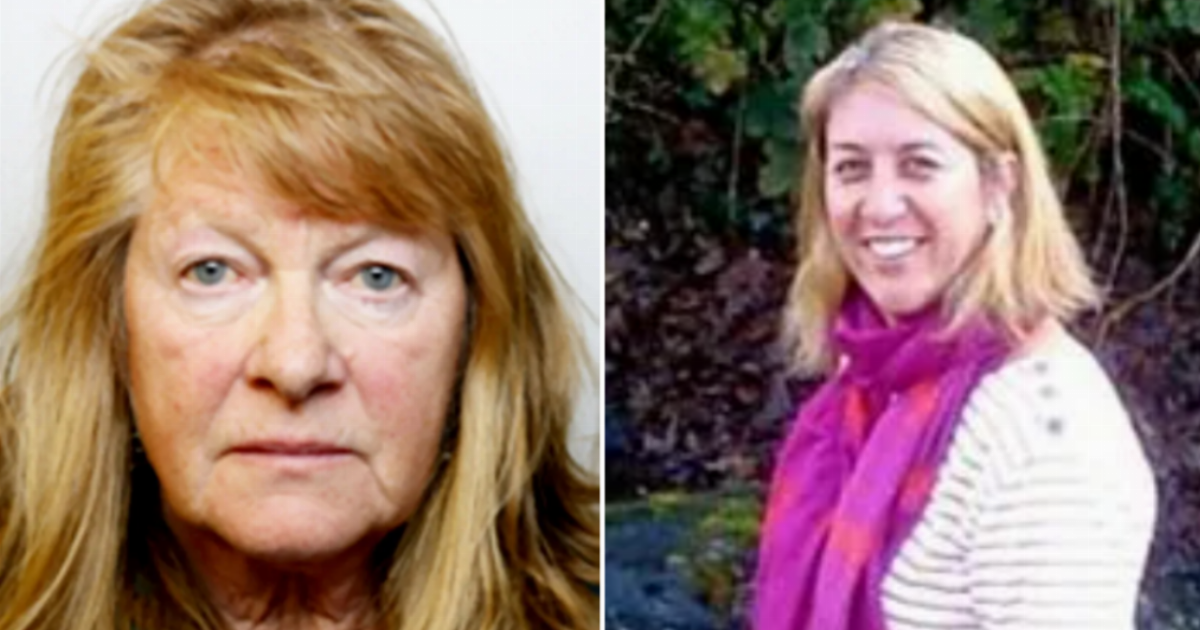
The death of 53-year-old Donna Crossman, a woman remembered by her family as a “rock” and a source of constant joy, has left a void that no courtroom verdict can ever truly fill. On the evening of June 9, 2024, Donna was excitedly making her way to see Take That at Bristol’s Ashton Gate Stadium. She was doing what so many of us do—walking with friends, anticipating a night of music and memories. That simple, mundane joy was stolen in an instant when 69-year-old Fiona Hodge, driving her Citroen, mounted the pavement on the Brunel Way flyover and struck Donna, knocking her from the road onto the park below.
The trial that followed exposed the harrowing details of a tragedy born from inattention. While Hodge initially insisted to officers that she had been driving within the speed limit on a clear road coming back from an outing in the Mendips, the evidence told a far more disturbing story. Witnesses described seeing her vehicle swerving erratically between lanes, showing a lack of control that culminated in a horrifying sequence where she narrowly missed two of Donna’s companions before striking Donna herself. Despite her defense, a jury found Hodge guilty of causing death by careless driving, a decision that underscored the life-altering consequences of momentary negligence behind the wheel.
For Donna’s parents, Annette and Stephen Price, the judicial process was a grueling, two-year ordeal that tested their emotional endurance. In a deeply poignant victim impact statement, Annette spoke of the profound, universal pain of losing a child, regardless of age. She described Donna not just as a daughter, but as the steady, reliable heart of their family—a woman who had become their caregiver, their driver, and their voice of reason. The loss of such a vital, caring presence caused the family’s world to shatter, leaving them in a state of trauma that, as Annette noted, will never be truly whole again.
The sentencing—a 12-month prison term and a two-and-a-half-year driving ban—has sparked inevitable questions about the adequacy of “justice” in the face of such a permanent loss. While the prosecution and the police expressed hope that the verdict provides a necessary measure of accountability and allows the family to move toward a new chapter of grieving, the parents’ reaction was one of tempered relief rather than closure. For them, no amount of time in prison could ever undo the horror of that night or restore the life of the daughter who was taken from them because of someone else’s carelessness.
Investigating Officer Noelie Poupard offered a reflection on the broader human cost of this incident, praising the Crossman family for the strength and dignity they maintained throughout the lengthy legal battle. The case serves as a sober reminder of how fragile life is, particularly on our roads, where the actions of one driver can instantly dismantle the security and happiness of an entire family. For the officers involved, the conclusion of the case was not just about processing evidence, but about acknowledging that a life of immense value was extinguished and that the survivors deserve the peace required to begin mourning properly.
As the legal proceedings conclude, the memory of Donna Crossman remains as a testament to the person she was—a vibrant, supportive, and cherished individual. The case highlights the devastating ripple effect of careless driving, which leaves behind a wake of broken hearts, shattered routines, and a permanent sense of absence. Though the court has delivered its verdict, for the friends and family left behind, the true work of healing continues. They are now left to navigate a world that is objectively less bright, hoping that in the quiet aftermath of this trial, they can finally find a way to honor Donna’s memory without the shadow of the courtroom hanging over their grief.