


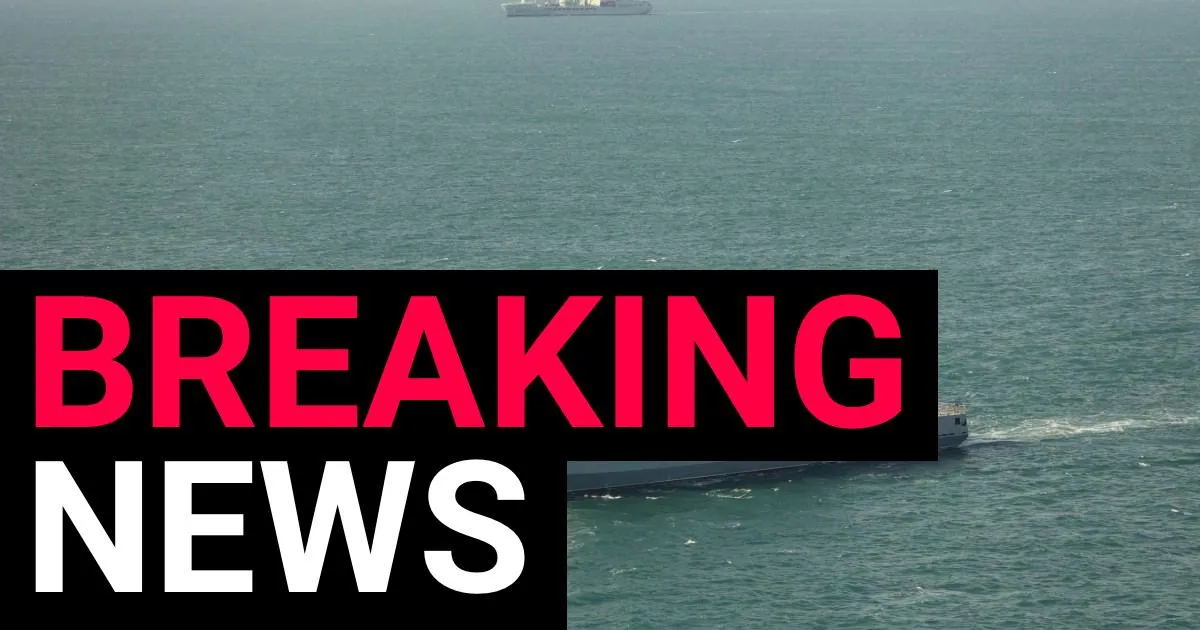
The English Channel, typically a bustling corridor of international commerce and leisure, has become the stage for a jarring maritime confrontation. Recent reports suggest that a Russian warship, the Admiral Grigorovich, allegedly fired warning shots at a UK-registered yacht near the Isle of Wight. While no one was harmed and the yacht remained unscathed, the incident has sent a ripple of unease through the maritime community and caught the urgent attention of the Ministry of Defence. As official investigations get underway, the situation serves as a stark reminder of how quickly the calm waters off our coast can transform into a zone of geopolitical friction.
For the sailors aboard the yacht, the morning was likely supposed to be a routine outing, until they found themselves within 500 yards of a heavily armed Russian frigate. The Admiral Grigorovich is no small vessel; it is a formidable 409-foot warship from the Black Sea Fleet, bristling with anti-ship missiles and torpedoes. While the vessel was technically in international waters—situated roughly 20 nautical miles south of the Isle of Wight, comfortably outside the 12-mile territorial limit—the deployment of warning shots against a civilian craft is a move that defies standard maritime etiquette and raises difficult questions about the intent behind such aggressive posturing.
The British response was swift and calculated. Upon the alarm being raised, the Royal Navy moved to assert its presence and ensure the safety of those involved. HMS Mersey, which had been tasked with shadowing the Russian frigate, was on the scene, while HMS Tyne deployed a boarding party to the yacht to verify the welfare of the passengers and document exactly what had unfolded. These ships act as the silent guardians of our coastal waters, and their rapid deployment indicates just how seriously the Ministry of Defence treats any unauthorized or intimidating actions by foreign military assets in such close proximity to the UK coastline.
This encounter did not happen in a vacuum; it is the latest in a series of escalations that have pushed tensions in the Channel to a breaking point. Only days earlier, a high-stakes operation saw Royal Marines intercept a “shadow fleet” tanker suspected of violating sanctions aimed at stifling Russia’s war efforts. Prime Minister Sir Keir Starmer has been vocal about these incidents, framing the seizure of the tanker as a direct blow to those fueling the conflict in Ukraine. By positioning itself in the Channel, Russia appears to be engaging in a game of brinksmanship, testing the resolve of NATO powers while demonstrating its reach far from the front lines of the Black Sea.
The backdrop to this maritime standoff is a complex, global political landscape. As the Prime Minister attended the G7 summit in France, the conversation was already dominated by the security of international waterways and the broader implications of Russia’s aggressive posture. Naval security, once a background concern for modern leaders, has moved to the forefront of the agenda. The presence of the Admiral Grigorovich in these waters—lurking for days on end near British shores—is widely viewed by analysts as a calculated move to unsettle the West, stir public anxiety, and project a military capability that defies diplomatic norms.
Ultimately, these incidents highlight a fragile new normal where the safety of the seas is increasingly caught in the gears of global conflict. Whether this is a display of tactical defiance or a deliberate provocation, the result is the same: unease for the sailors who navigate these waters and a mounting pressure on the government to maintain a firm stance. As the investigation into the yacht incident continues, the Channel remains a monitored, tense environment. It is a sobering realization that even in our own backyard, the shifting winds of international relations can turn a quiet morning at sea into a moment of genuine, international concern.