
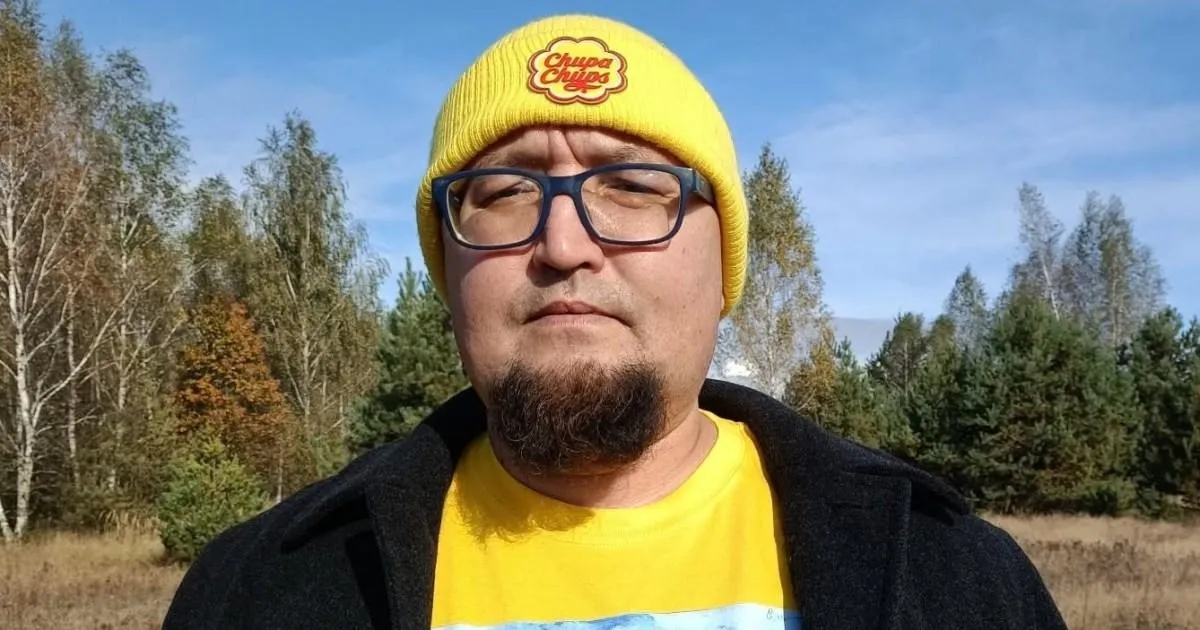
The sudden and violent death of Semyon Skrepetsky, a 44-year-old Siberian-born artist and vocal critic of the Kremlin, has sent shockwaves through the expatriate community in Poland. Known to the world by his pseudonym, but born Robert Kuzovkov, Skrepetsky spent his final years living in exile, fueled by a courageous, albeit dangerous, desire to strip away the veneer of power surrounding Vladimir Putin. His art was his weapon—a sharp, uncompromising series of satires that depicted the Russian leader and his inner circle, including Alexander Lukashenko and Ramzan Kadyrov, not as masters of the state, but as grotesque, blood-soaked caricatures of tyranny. For an artist who dared to treat the Kremlin’s authority as a punchline, the consequences were never far behind, culminating in a cold-blooded execution that now has Polish authorities scouring the landscape for his killer.
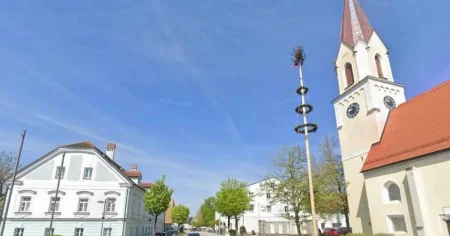
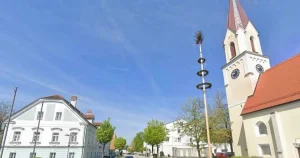
The scene of the tragedy, Biala Podlaska, sits hauntingly close to the Belarus border, a region that serves as a stark reminder of the long reach of the authoritarian regimes Skrepetsky fought against. Witnesses described a chilling, professional-style hit; the artist was gunned down at close range, left to die on the concrete despite the desperate, frantic attempts of bystanders to revive him. Police are treating the event as a calculated assassination rather than a random act of street violence. Evidence suggests the killer may have gone to great lengths to evade detection, potentially swapping clothing to vanish into the morning mist, while a taxi driver remains under questioning, suspected of having shuttled figures of interest from Warsaw to the crime scene.
Long before the final bullet ended his life, Skrepetsky lived under a dark, encroaching cloud of intimidation. The artist had been publicly targeted by self-described “Russian patriots” who took grave offense to his scathing visual critiques. In the days leading up to his murder, the walls seemed to be closing in; he spoke openly of receiving graphic, terrifying threats of violence and sexual assault from those aligned with the Russian state. Yet, rather than retreating into the safety of anonymity, Skrepetsky doubled down on his defiance. Just three days before his assassination, he staged a provocative protest outside the Russian embassy in Berlin, a performance where he discarded a Russian flag in a trash can and displayed a painting of Joseph Stalin cradling an infant Putin—a biting commentary on the dark, cyclical nature of Russian leadership.
The execution-style nature of the shooting has sparked a torrent of geopolitical speculation, drawing immediate comparisons to the long, sordid history of silenced dissidents reaching back to the Soviet era. Independent opposition channels, specifically Nexta Live, have been unequivocal in their assessment, labeling the murder a “100% order from Russia.” While Polish authorities avoid assigning direct culpability until the investigation is complete, the operational profile of the hit—a planned, surgical strike on an enemy of the state—lends significant weight to the theory that the long arm of the Kremlin has reached across international borders to settle a score. For the security services, the mission is now a race against time, as they work to identify the phantom gunman and determine whether this individual was a lone actor or a cog in a much larger, state-sanctioned mechanism of repression.
Beyond the headlines and the political intrigue lies the story of a man who chose the precarious path of a truth-teller in an age of aggressive censorship. Skrepetsky’s work was more than just paint on canvas; it was an act of non-violent resistance aimed at breaking the aura of fear that surrounds the Kremlin. By portraying the “all-powerful” as the “absurd,” he threatened the very image of invincibility upon which these regimes thrive. His life in exile was a testament to the isolation that comes with standing against such overwhelming power, yet he remained consistent in his messaging. Even as he faced the constant prospect of retribution, he continued to use his talent to hold up a mirror to the power structures that had forced him from his homeland in the first place, knowing full well the risks he was taking.
As Poland continues its manhunt, the murder of Semyon Skrepetsky serves as a haunting reminder of the fragility of safety for those living in exile. It forces the world to confront the reality that for activists who find themselves in the crosshairs of a ruthless government, a border line does not always equate to a safe haven. The artistic world has lost a fierce voice, and the diaspora of Russian critics has lost a symbol of steadfast defiance. While the investigators work to secure justice for the man who was gunned down on a quiet street, his legacy remains etched in the vivid, uncomfortable images he left behind—a permanent, immovable mockery of the men who eventually sought to silence him.