

Stranded in the Sweltering Heat: Passengers on Ryanair Flight Endure Two Hours of Misery Without Air Conditioning
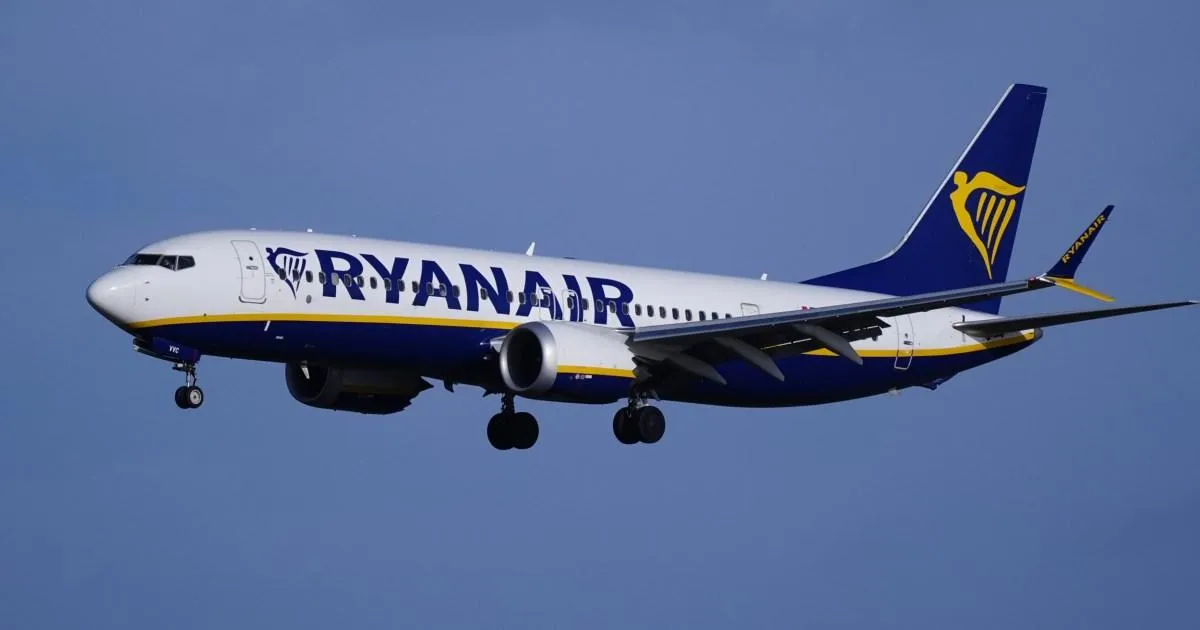
The scene was one of utter desperation, a tableau of human suffering unfolding on the tarmac of a sun-baked Maltese airport. What should have been a routine two-and-a-half-hour flight from the Mediterranean island to Birmingham, England, quickly devolved into what many passengers described as a harrowing ordeal, a test of endurance that left travelers nauseous, panicked, and stripped to their bare skin in a frantic attempt to escape the oppressive, suffocating heat. The flight, Ryanair’s 7268, was scheduled to depart at 5:40 PM on Monday, August 10th, but as the minutes ticked by and the departure time came and went, the real agony had only just begun. For nearly two hours, passengers found themselves trapped in a metal tube, parked on a remote stand at the airport, with no air conditioning, no respite from the 31-degree Celsius (88-degree Fahrenheit) heat, and no clear communication about when, or if, they would ever be allowed to escape the inferno. This was not merely a delay; it was a failure of basic human care, a situation that pushed ordinary people to their physical and emotional limits, forcing them to do things they would never normally consider in a public setting, like removing their shirts and tops, just to feel a whisper of cool air against their skin. The story of that flight, as recounted by 16-year-old Eva Gregory who was traveling with her mother Angela and brother Samuel, is a stark reminder of how quickly a routine travel experience can turn into a crisis of basic human needs when the systems designed to care for passengers fail.
The misery began long before the passengers ever set foot on the aircraft. According to Eva, the travelers were first herded onto an apron bus, a type of vehicle used to transport passengers across the tarmac to aircraft parked at remote stands. The bus, however, offered no relief from the scorching Mediterranean sun. It was a crowded, standing-room-only affair, and crucially, it had no air conditioning. For thirty agonizing minutes, the passengers were packed into this sweltering, moving oven, their patience fraying as they were driven across the tarmac, only to be transferred to another vehicle. The logic behind this transfer, or the reason for the initial delay, was not immediately clear to the passengers, but the result was a sharply escalating sense of frustration and claustrophobia. The idea of being trapped in a hot, crowded bus with no ventilation, no water, and no idea of what was happening, is a perfect recipe for rising panic. You can feel the collective anxiety building, the quiet murmurs of complaint turning into louder demands for information, the initial politeness eroding as children became fussy, elderly passengers began to struggle, and the relentless sun continued to beat down on the metal roof of the bus. This precursor to the flight was, in retrospect, a preview of the much more severe discomfort that awaited them on the plane.
Once the passengers finally boarded the Ryanair aircraft, the situation went from uncomfortable to genuinely dangerous. The plane was parked on a remote stand, away from the main terminal, and the air conditioning system, so vital in such conditions, was not functioning. The passengers were now sealed inside a metal tube, with no breeze, no circulating air, and no way to escape. “We got on the plane but were sitting and waiting in the heat with no air conditioning at all for over an hour,” Eva recalled. The heat was described as “searing,” and the atmosphere on board quickly became toxic. People began to feel nauseous, their bodies reacting to the combination of heat, stress, and lack of fresh air. The air grew thick and stale, heavy with the scent of sweat and fear. In a desperate and deeply human reaction, some passengers, both men and women, began stripping off their tops. This was not a gesture of rebellion or lewdness; it was a primal act of survival, a last-ditch effort to expose their skin to any available air and lower their core body temperature. It was a powerful, visual testament to the severity of the situation, a breaking of social norms born from sheer, physical desperation. Eva herself began to feel the symptoms of heat exhaustion. “I was experiencing the feeling of needing to throw up,” she said. For Eva, who suffers from a phobia of vomiting, this triggered a full-blown panic attack, layering a psychological crisis on top of the physical discomfort. She watched as other passengers around her fainted, collapsing in the aisles, and as elderly passengers, who are particularly vulnerable to heat-related illness, became “extremely distressed.” The aircraft had become a petri dish for human suffering.
Perhaps the most shocking detail of this entire story is the passengers’ claim that the flight crew did not offer free water, even as people collapsed and vomited around them. In the midst of a medical emergency—multiple people losing consciousness, others throwing up, a teenager having a panic attack—the responsibility of the airline and its crew is not merely to sell services, but to ensure the safety and wellbeing of the passengers. In this context, the basic provision of water should have been automatic, an immediate, non-negotiable act of care. Yet, according to the passengers, no such gesture was made. Instead, the crew allegedly opened the onboard bars for people to purchase drinks, a decision that seems, at best, tone-deaf and, at worst, profoundly callous. Imagine the scene: you are feeling faint, you are sweating profusely, and you are trapped in an oven. The people responsible for your safety are standing by, selling bottles of water at airline prices. It is a scene that captures the tension between profit and human care that so often defines the modern air travel experience. The failure to provide water was not just an inconvenience; it was a failure of duty, a moment where the airlines’ focus on ancillary revenue perhaps overwhelmed its fundamental obligation to its passengers. Eva noted that flight attendants tried to stop more passengers from boarding the plane while the air conditioning was broken, but their requests were ignored by ground personnel. This suggests a systemic failure, a breakdown of communication and responsibility between the crew and the ground staff that left passengers paying the price.
Ryanair’s official response to the incident, when it came, painted a somewhat different picture, offering a classic example of corporate damage control. The airline acknowledged the delay, attributing the initial setback to a “minor technical issue with the aircraft.” They then stated that the delay was further extended “after a passenger became ill onboard.” This framing is interesting: it suggests that the passenger illness was the cause of further delay, rather than a symptom of the delay and the heat. Ryanair also pushed back on the passenger accounts of the bus, claiming that it was “air conditioned” and that passengers were only held on it for 10 minutes, not the half-hour reported by Eva. Furthermore, the airline defended its actions regarding drinks, stating that “cabin crew had opened the onboard bars for people to purchase drinks on the ground.” The response feels clinical and defensive, focusing on technical justifications rather than the human suffering. A minor technical issue? For the passengers trapped in the heat, it was not minor. It was the source of over an hour of intense discomfort. The offer to purchase drinks, while true, fails to address the ethical question of whether, under such extreme conditions, they should have been provided for free. The divergence between the passenger experience and the corporate narrative highlights a common problem in the travel industry: a disconnect between what happens on the ground and the sanitized, bullet-pointed version of events presented to the media.
This story is more than just a complaint about a delayed flight. It is a powerful and troubling human story about vulnerability, corporate responsibility, and the hidden costs of air travel. It is about what happens when the systems we rely on fail us in a moment of genuine need. Eva Gregory’s account, with its vivid details of panic, nausea, and people stripping off their clothes, is a testament to the severity of the ordeal. It forces us to consider the position of the elderly passenger, the parent with a small child, or the person with a health condition, all of whom would have been exponentially more vulnerable in that sweltering environment. The incident raises serious questions about Ryanair’s emergency protocols and the training of its staff. When a plane is stuck on the ground without power, what is the procedure? At what point does the airline’s responsibility shift from “the flight will depart soon” to “we need to get these people off this plane immediately for their own safety”? In this case, the answer seems to be only after they had fainted or became sick. The airline’s response, which appears to minimize the event and blame a passenger’s illness for the further delay, feels like a lesson in how not to handle a customer service crisis. Ultimately, this is a story about a fundamental failure of compassion. In a world of budget airlines and tight margins, the cost of a free bottle of water is minimal. The cost of the goodwill lost, of the trauma inflicted on passengers like Eva, her family, and the dozens of others on that plane, is incalculable. It is a story that should give any traveler pause, a reminder that the true test of a company is not how it performs when everything goes right, but how it treats people when things go terribly wrong.