

The Escalating Drone War and Putin’s Vow of Retribution
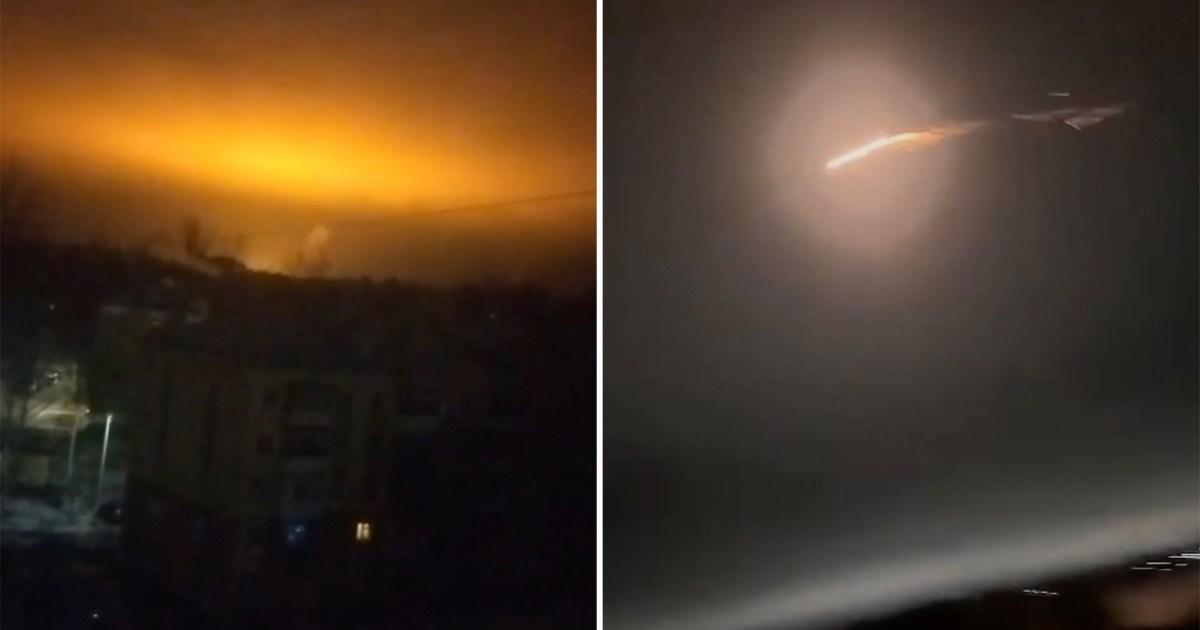
The conflict between Russia and Ukraine has witnessed a dramatic escalation with a significant drone strike on a Russian oil depot, igniting a fiery inferno and prompting a stern warning from President Vladimir Putin. The Steel Horse facility, a crucial supply hub for Russian forces in Ukraine and a link to the Druzhba pipeline supplying oil to Europe, was targeted in a coordinated drone assault. This attack, captured in dramatic video footage, illuminates the increasing use of drone technology in warfare and its potential to disrupt critical infrastructure.
The attack on the Steel Horse facility, located in Russia’s Oryol region, marks at least the third time this strategic depot has been targeted. The successful strike a week prior resulted in a blaze that burned for several days, underscoring the vulnerability of such infrastructure to drone attacks. Separate Ukrainian strikes have also focused on supply bases for the Druzhba pipeline, which is a key source of oil for Hungary and Slovakia, two countries that have resisted providing military aid and supporting Ukraine’s NATO membership bid. The repeated targeting of this pipeline’s infrastructure highlights the strategic importance of energy supplies in the ongoing conflict.
The recent drone attack on the Steel Horse facility triggered a swift response from local authorities. Oryol region Governor Andrey Klychkov described the assault as a "massive enemy UAV attack" and called for calm amidst the ongoing emergency. While acknowledging the scale of the attack, he later confirmed that the fire had been extinguished and that there were no casualties. The Russian Ministry of Defense echoed this assessment, claiming to have thwarted a "terrorist attack" by the Kyiv regime using unmanned aerial vehicles.
President Putin, in a televised address following the attack, delivered a stark warning, vowing further "destruction" in retaliation. He declared that those who attempt to inflict harm on Russia will face far greater consequences and regret their actions. This forceful response reflects the Kremlin’s growing concern over the increasing effectiveness of Ukrainian drone strikes deep within Russian territory. The incident follows reports of additional drone incursions, including the alleged downing of 34 drones over the Moscow region. These developments underscore the expanding reach of drone warfare and its potential to escalate tensions.
The escalating use of drones in the conflict highlights the evolving nature of modern warfare. Drones offer a relatively low-cost and readily available means to strike targets far behind enemy lines, challenging traditional defense strategies. The ability of Ukrainian drones to penetrate deep into Russian territory exposes potential vulnerabilities in Russia’s air defense systems and raises concerns about the security of critical infrastructure. The repeated targeting of the Steel Horse facility and the Druzhba pipeline underscores the strategic importance of these assets and the potential for drone attacks to disrupt energy supplies and military operations.
The drone attacks and Putin’s response signal a dangerous intensification of the conflict. The increasing frequency and boldness of these strikes indicate Ukraine’s growing capabilities and its determination to target strategic Russian assets. Putin’s vow of retribution raises the specter of a further escalation, with the potential for more devastating attacks and heightened tensions between the two nations. The international community must closely monitor these developments and work towards de-escalation to prevent further bloodshed and instability. The increasing reliance on drone technology in this conflict also raises important questions about the future of warfare and the need for international regulations to govern their use.