


Every one of those numbers in the latest drug death figures represents a life cut short, a family left to grieve, and a community carrying a loss that statistics can never fully capture. The newly released data from the Office for National Statistics for 2025 show that drug poisoning deaths in England and Wales fell slightly to 5,519, down from the record high seen in 2024. But that small overall decline offers little comfort when you look closer at who is dying and how. The number of men dying from drug use reached the highest level ever recorded, with 3,778 male deaths in a single year, while deaths among women fell. Meanwhile, for the first time, cocaine was the drug most commonly mentioned in poisoning deaths, responsible for more than 1,200 lives lost, overtaking heroin and morphine. The figures are a stark reminder that Britain is in the middle of a drug crisis that is constantly changing, becoming more complex, and increasingly driven by powerful synthetic substances manufactured in laboratories overseas. Behind the headlines and the year-on-year comparisons are real people, often vulnerable, often isolated, whose struggles with addiction have ended in tragedy. And while the overall number of deaths has dipped slightly, the emergence of new and highly dangerous lab-made drugs means the nature of the threat is shifting in ways that policymakers are still struggling to understand.
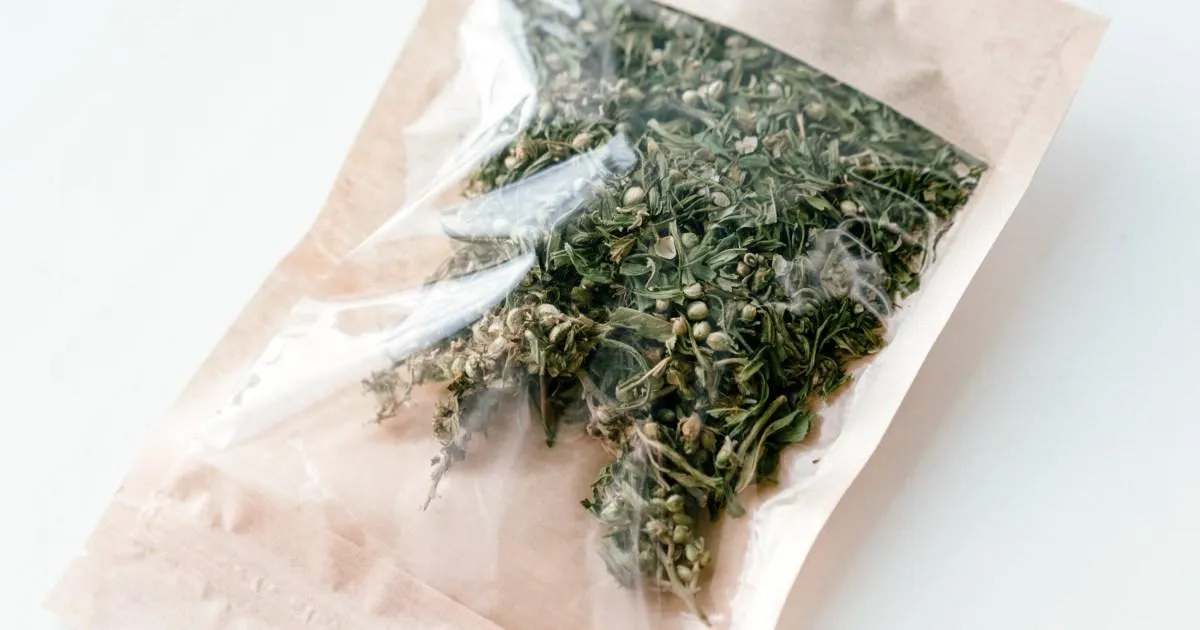
Among the most alarming trends in the new data is the sharp rise in deaths caused by synthetic cannabinoids, commonly known as Spice. In 2024, there were 44 deaths involving these drugs in England and Wales. In 2025, that figure more than doubled to 95, the highest number ever recorded. Spice is not a single substance but a family of man-made chemicals that are sprayed onto plant material and smoked, often mimicking the effects of cannabis but with far more unpredictable and dangerous consequences. Experts say the drugs are largely produced in illicit laboratories in China and India, and the global nature of their manufacture has made regulation incredibly difficult. Dr Caroline Copeland, a senior lecturer in pharmacology and toxicology at King’s College London, explained that Spice was once made in clandestine labs in China before the country cracked down on the drug in 2021. Since then, experts believe production has moved to India and possibly Pakistan, places where there is both the equipment and the technical know-how to manufacture these chemicals at scale. As Dr Copeland pointed out, it is not that these countries condone the production of such dangerous substances, but rather that these drugs were not previously a problem for them, so the necessary legislation has not yet been introduced. The result is a global supply chain that feeds addiction and death in British communities, often with devastating speed.
Perhaps even more concerning is the way Spice is now being brought into the UK through so-called DIY kits, which are designed to bypass government crackdowns in China. Professor Chris Pudney from the University of Bath told reporters that while the laboratories may still be based in China, they no longer send the finished product. Instead, they send a kit containing precursor chemicals and a packet of instructions, allowing users or dealers to assemble the drug in their own homes. A single kit costing around £1,000 can produce a kilogramme of Spice, which represents a huge amount of potential profit but also an enormous risk. According to Professor Pudney, these DIY kits are even more dangerous than imported finished drugs because the people assembling the product are less in control of the dosage. They may not have the right equipment, the right chemistry skills, or any way of knowing how potent the final mixture will be. There have also been increased reports of a solid, crystal-like form of Spice appearing in communities, which is likely to be even more concentrated and hazardous. For years, Spice has been associated with homeless populations and prisoners, where it has caused severe health crises. But there is growing concern that young people are now using the drug through vaping, which makes it easier to consume discreetly and therefore easier to underestimate just how powerful it really is.
The same worrying pattern is emerging with nitazenes, a group of synthetic opioids that are also believed to be produced in illicit laboratories, many of them in China. These drugs are extremely potent and have increasingly entered the UK market following the Taliban’s ban on opium planting in 2021, which disrupted the supply of traditional heroin. According to the latest figures, as many as 150 people were recorded as dying from nitazenes in 2025. While that number is down from 195 deaths the previous year, it is still three times higher than in 2023, showing how quickly these substances have spread through the illegal drug trade. But even those numbers may not tell the full story. Dr Copeland warned that modelling suggests the true number of nitazene deaths could be underestimated by as much as a third. Because the drugs are so incredibly potent, only tiny amounts are needed to cause a fatal overdose, and those small quantities are very difficult for toxicology machines to detect after death. Researchers also believe that nitazenes degrade in the body after a person dies, meaning the amount found at post mortem becomes smaller and smaller over time. That makes it harder to confirm exactly what caused a death, leaving families without answers and leaving public health experts without a complete picture. Mike Trace, the chief executive of The Forward Trust and a former government drug adviser, expressed deep concern about this hidden threat. He said the reality of what nitazenes are doing on the ground is not reflected in the official figures, and he described a shared fear among experts and officials that they are trying to respond to a new and evolving threat without knowing enough about it.
Beyond the chemistry and the global supply chains, there is another deeply troubling pattern in the data: the growing toll on men. The number of men dying from drug poisoning reached a record high in 2025, even as deaths among women fell. This fits into a broader picture of what some researchers call deaths of despair, a category that includes alcohol misuse and suicide, where men are consistently overrepresented. Mark Brooks, policy director at the Centre for Policy Research on Men and Boys, said the continuing rise in male drug death rates, alongside other forms of avoidable mortality, shows that the lives of many men are getting worse rather than improving. He called the situation a public health emergency, particularly in parts of northern England, and argued that far more needs to be done to address the root causes: lack of employment, poor mental health, and social isolation. These are not abstract issues; they are the lived realities of people who fall into addiction, often after being failed by support networks, economic opportunities, or healthcare services. The regional data in the ONS report underlines this inequality. The North East of England continues to have the highest rates of drug deaths compared with other regions, despite a slight drop from the record levels seen in 2024. Meanwhile, Yorkshire and the Humber and the South East of England have each recorded their highest drug death rates since records began in 1993. The geography of this crisis is not random; it reflects long-term patterns of deprivation, inequality, and limited access to treatment and prevention services.
What these figures make clear is that the UK is facing not just a health crisis but a social one, and the dangers are becoming more complicated as synthetic drugs replace more traditional substances. The rise of Spice and nitazenes is partly a story of international criminal innovation, as producers adapt to crackdowns and find new ways to smuggle dangerous chemicals across borders. But it is also a story of vulnerability at home. The people most at risk are often those already on the margins of society: prisoners, homeless individuals, people battling mental illness, and those who have been left behind by economic change. Their deaths are frequently invisible until a statistic is published, and by then another year of lives has been lost. As campaigners and experts have urged, responding to this emergency requires far more than border enforcement or policing. It requires investment in addiction treatment, harm reduction services, mental health support, and the kind of social infrastructure that gives people hope and purpose. It also requires a willingness to understand the changing nature of the drugs themselves, because dosage, detection, and potency are now matters of life and death in ways that many legacy drug policies were never designed to address. Behind every rise in deaths from Spice, every underestimated nitazene overdose, and every record number of men dying, there is a human story that deserves compassion and action. The statistics offer a snapshot of the scale of the problem, but they cannot capture the grief of the families left behind, the loneliness of the addiction, or the urgent need for a response that treats every one of those numbers as a person whose life mattered.