


This tragic incident underscores the inherent risks associated with air ambulance operations, particularly in challenging weather conditions. While helicopters provide a crucial lifeline for patients in need of urgent medical transport, their operation necessitates meticulous planning, skilled piloting, and rigorous maintenance. The ongoing investigation will delve into the specific factors that contributed to this crash, examining aspects such as pilot training, helicopter maintenance records, weather conditions, and air traffic control communications. The findings will be crucial in implementing measures to prevent similar accidents in the future and enhance the safety of air ambulance services.
The loss of two skilled pilots, a dedicated doctor, and a committed healthcare worker is a devastating blow to the Turkish healthcare system. These individuals were on the front lines of emergency medical services, providing critical care to patients in need. Their dedication and commitment to saving lives are exemplified by their willingness to undertake this mission, even in adverse weather conditions. Their untimely deaths represent a significant loss not only to their families and colleagues but also to the communities they served. The Turkish Ministry of Health and the broader medical community will undoubtedly mourn their passing and honor their contributions to public health.
The accident highlights the critical role air ambulances play in providing timely medical interventions, especially in geographically challenging regions. Air ambulances enable rapid transport of patients to specialized medical facilities, often bridging the gap between remote areas and urban centers with advanced healthcare resources. They are particularly crucial in situations where ground transport is impractical or time-sensitive, such as in cases of severe trauma, stroke, or heart attack. The loss of this helicopter and its crew will undoubtedly impact the accessibility of emergency medical services in the affected region, underscoring the need for continued investment in and support of air ambulance operations.
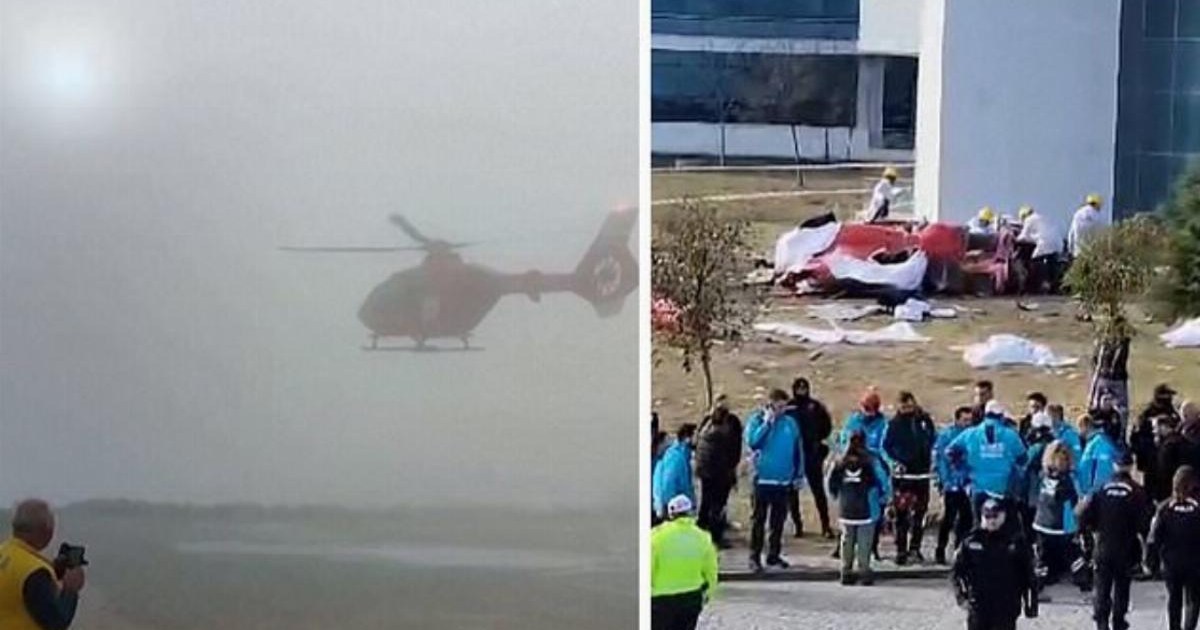
The crash, occurring as the helicopter was taking off from the hospital helipad, raises questions about the safety protocols and procedures in place. The investigation will likely examine the decision-making process leading up to the takeoff, considering factors such as visibility, wind speed, and the overall assessment of weather conditions. The presence of heavy fog at the time of the accident suggests that visibility may have been significantly impaired, potentially contributing to the pilot’s inability to maintain proper control of the aircraft. The investigation will also scrutinize the hospital’s helipad safety procedures, including lighting, markings, and emergency response protocols.
The wreckage of the helicopter, scattered across the field adjacent to the hospital, paints a grim picture of the impact’s force. The fact that no one on the ground or inside the hospital was injured is a small mercy amidst the tragedy. However, the extensive debris field indicates a high-energy impact, likely resulting in the immediate fatalities of all onboard. The recovery and analysis of the wreckage will provide crucial data for investigators, helping them reconstruct the sequence of events leading to the crash. This analysis will involve examining the helicopter’s structural integrity, engine performance, flight control systems, and any other relevant components.
President Erdoğan’s expression of condolences reflects the nation’s collective grief and acknowledges the profound impact of this tragic loss on the healthcare community. His message of support for the families and colleagues of the deceased underscores the importance of recognizing the sacrifices made by healthcare professionals, especially those working in emergency medical services. The accident serves as a stark reminder of the risks inherent in their profession and the dedication required to provide critical medical care, often under challenging and unpredictable circumstances. The Turkish government’s response to this tragedy will likely include a thorough review of air ambulance safety regulations and procedures to mitigate the risks of future accidents and ensure the continued provision of essential air medical services.