


The atmosphere inside a cabin at 30,000 feet is usually one of quiet routine—the hum of the engines, the dimming of lights, and the collective attempt of passengers to get some rest. But on a recent Batik Air flight bound for India, that sense of security was shattered in a heartbeat. Thirty-six-year-old Jamsheer Athanikkal, a passenger seated in 12A, suddenly abandoned his seat and made a desperate, terrifying attempt to wrench open the plane’s emergency exit. The incident, which left fellow travelers and crew members in a state of shock, transformed a standard journey into a harrowing ordeal where the very air that kept everyone alive felt suddenly precarious.
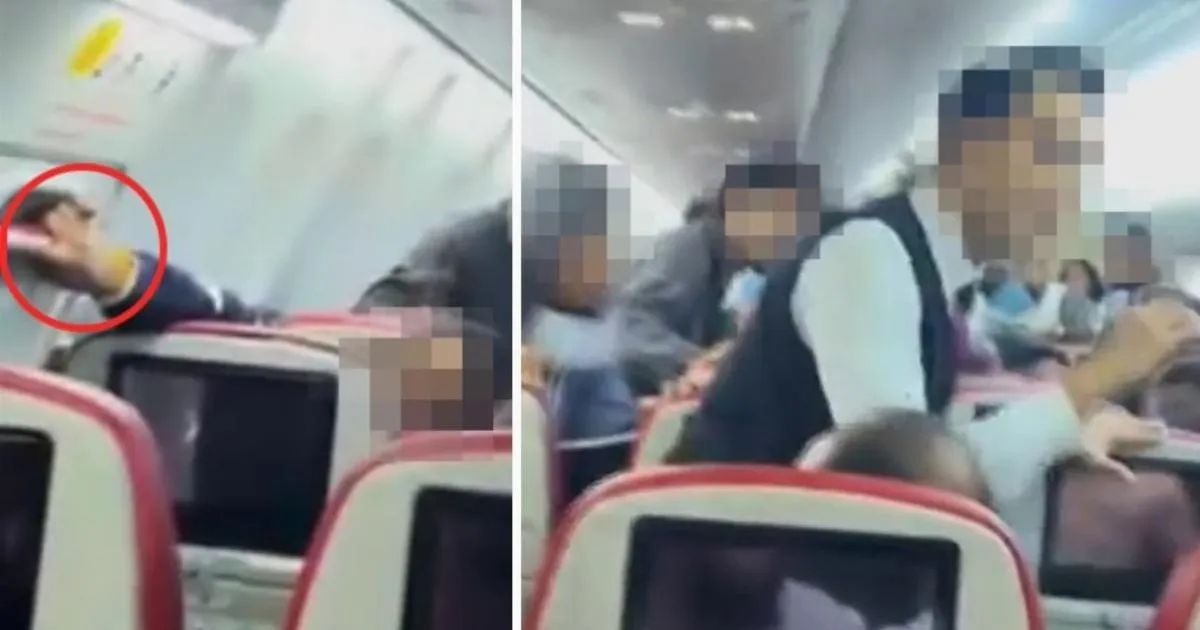
The ensuing scene was nothing short of chaotic. As Athanikkal grappled with the exit door, the physical damage to the window panel became visible, with deep scratches serving as a grim testament to the force he used. Recognizing the imminent danger of depressurization, the cabin crew and brave passengers sprang into action. They wrestled with the man, attempting to pull him away from the door as he reportedly lashed out with threats against anyone who dared to intervene. It was a visceral, high-stakes struggle played out in the narrow confines of an airplane aisle, eventually ending only when the crew managed to secure him with cable ties, immobilizing the man who had turned a flight home into a nightmare.
For those on board, the uncertainty of the situation was compounded by the fact that there was no clear provocation for the outburst. As the flight was forced to divert back to Kuala Lumpur, questions swirled among the passengers and crew alike. When authorities finally took Athanikkal into custody, his explanation—if it could be called that—offered little solace to the people he had terrorized. Reports suggest that during questioning, he claimed he simply “felt like doing so at that moment,” further suggesting a confusing and disturbing confession that he had “felt like dying” while mid-air. The irony was particularly heartbreaking, as he reportedly told officers he was in the midst of traveling home specifically to see his newborn child.
Law enforcement officials at Kochi airport have since painted a sobering picture of the event. They confirmed that the incident occurred between 9:30 p.m. and 11:00 p.m., a time when many passengers would have been settling in for the night. The police spokesman noted that Athanikkal acted without warning, destroying the window panel and endangering the lives of everyone on the aircraft. Because his actions threatened the integrity of the pressurized cabin—a move that could have resulted in a catastrophic loss of life at such a high altitude—the investigation has taken a much more serious turn. While he was initially held for criminal intimidation and failure to follow safety protocols, the severity of the threat has led authorities to upgrade the charges against him to attempted murder.
The legal process moving forward will be comprehensive, as investigators look to understand not just the motive, but the underlying psychological state of the man who turned against his fellow travelers. Police are seeking to remand Athanikkal in custody, citing the need for a detailed probe into his mental health. This is a standard but essential step in a case that defies logical explanation. When someone is flying home to a new life as a father, the choice to potentially destroy that life—and the lives of dozens of others—leaves a void of understanding that only a thorough psychiatric evaluation might begin to address. The authorities are determined to ensure that every aspect of the incident is meticulously examined.
Ultimately, the event serves as a chilling reminder of how fragile our shared reality is when we step onto an airplane. We entrust our lives to the cabin crew, the flight path, and the social contract that dictates everyone remains seated and calm. When that contract is violently broken, the aftermath leaves scars that go far deeper than the physical damage to a window panel. As Athanikkal faces the consequences of his actions in the legal system, the passengers who were forced to play the roles of heroes and guards that night are left to process a brush with disaster. It is a story that underlines both the extreme volatility of human behavior and the remarkable resilience of those who, when faced with an unthinkable threat, come together to protect one another.