


Paragraph 1
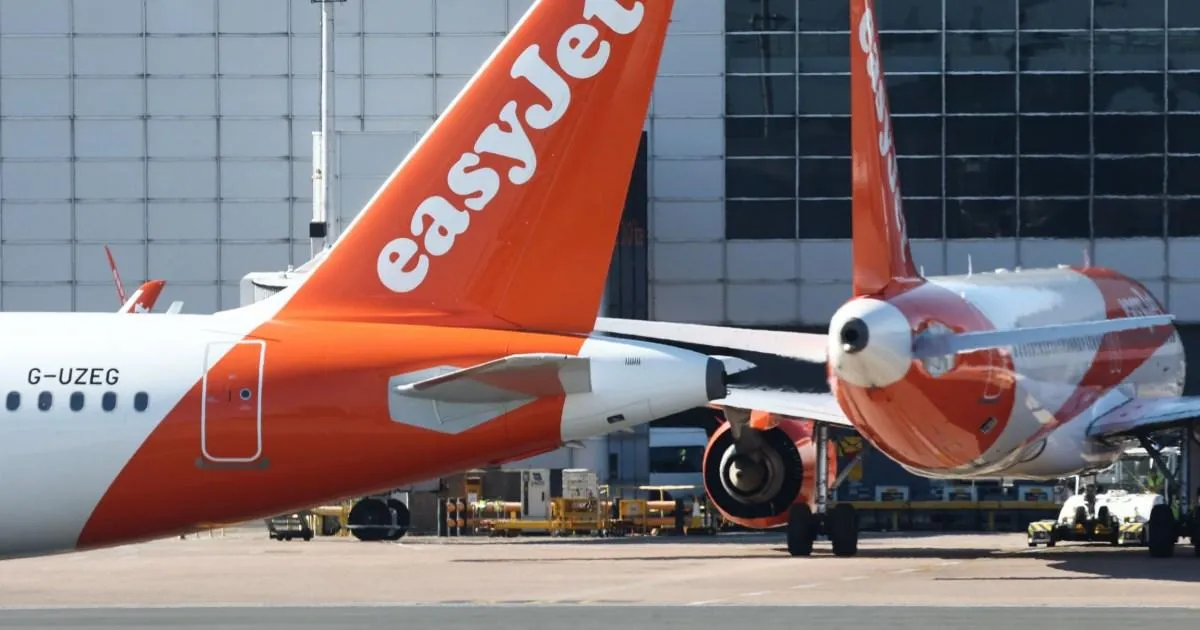
Imagine the scene: you’re sitting in a cramped seat on an easyJet Airbus A320, the aircraft slowly taxiing along the runway at Milan Malpensa Airport. It’s a routine moment, the kind that happens hundreds of times a day across Europe. The plane is bound for Prague, the Czech capital, and passengers are already thinking about what awaits them at the other end — business meetings, sightseeing, family visits, a weekend away. Some are dozing, others are scrolling through their phones, and a few are watching the airport buildings slide past the windows. Then, without warning, the routine shatters. A thin wisp of smoke begins to curl from an overhead locker. Within moments, it becomes a visible haze, and an acrid, chemical smell fills the cabin. Passengers start to glance at each other, uncertain and anxious. The cabin crew, trained for exactly this kind of moment, move quickly. The captain abandons the takeoff immediately, bringing the aircraft to a hard stop on the taxiway. Then come the evacuation slides. With a loud whoosh, they inflate from the emergency exits, and 146 passengers begin scrambling out of the plane, sliding down to the tarmac below. Ambulances and fire engines scream onto the scene, their lights flashing against the grey asphalt. Even passengers on nearby taxiing aircraft are evacuated as a precaution. What had been an ordinary afternoon had turned, in seconds, into a life-threatening emergency — and for many on board, the image of that smoke-filled cabin would stay with them long after they reached solid ground.
Paragraph 2
The evacuation itself was chaotic but, by all accounts, remarkably efficient. Passengers tumbled down the inflatable chutes, some clutching hand luggage, others leaving everything behind. There were screams and shouts, but also people helping strangers, pulling each other up from the tarmac, and moving away from the aircraft as fast as their legs could carry them. Two people on board suffered minor injuries during the exit, a testament to how frightening and disorienting such an escape can be. The rest of the 146 passengers escaped without physical harm, though the psychological shock must have been immense. Outside, fire crews in heavy protective gear surrounded the plane, while paramedics checked passengers for signs of smoke inhalation or panic. The captain and cabin crew remained on the aircraft until the last passenger was out, doing their jobs with the kind of calm professionalism that is easy to forget until a crisis makes it vital. For the passengers, standing on the tarmac in the open air, watching firefighters inspect the plane that had been their metal cage just moments before, the relief was overwhelming. Some hugged each other; others sat on the ground, staring into the distance. Nearby, other planes had been stopped in their tracks, their own passengers waiting patiently as authorities dealt with the unfolding situation. It was a reminder of how quickly things can go wrong in aviation — and how much we rely on the people who are trained to respond when they do.
Paragraph 3
As investigators from Italy’s air accident agency, ANSV, began to piece together what had happened, a likely culprit emerged: a lithium power bank. The small, everyday device that millions of travellers carry in their pockets and bags had apparently overheated and caught fire inside the overhead locker. Lithium batteries are a marvel of modern technology, packing a huge amount of energy into a tiny space. But that same density is what makes them dangerous when something goes wrong. A short circuit, a manufacturing defect, a puncture, or simply exposure to excessive heat can trigger what experts call thermal runaway — a chain reaction in which the battery heats up uncontrollably, releases flammable gases, and eventually bursts into flames. In the confined space of an aircraft cabin, with hundreds of people in close proximity and nowhere to go, that risk becomes even more serious. This incident was not an isolated one. In fact, it came shortly after another easyJet flight had been forced to divert when a passenger left a charging bank inside a suitcase in the hold. That time, the danger was hidden from view, but no less real. These events highlight a growing challenge for airlines: how to keep passengers safe in an age when virtually everyone carries multiple lithium-powered devices, from smartphones and tablets to vapes and portable chargers, often without giving them a second thought.
Paragraph 4
EasyJet, for its part, has clear rules about power banks, and they are worth repeating. According to the airline’s website, power banks are prohibited from use on easyJet aircraft and must not be used to charge other devices. They must be carried in carry-on baggage only, and the airline recommends that power banks be kept on your person — in a pocket, perhaps, or in a small bag — so that you can monitor them during the flight. The reasoning is simple: if a power bank is in the overhead locker and it begins to overheat, it can be difficult to detect until it’s too late. Smoke, fire, and toxic fumes can spread through the cabin before anyone has a chance to intervene. But if the device is on your person, you are more likely to notice a change in temperature, a strange smell, or a swollen casing, and you can alert the crew immediately. These rules might seem like an inconvenience, especially for travellers who rely on their phones throughout a long journey. But the incident at Milan Malpensa is a stark reminder of why they exist. A single overheating battery can turn a routine flight into an emergency, force an evacuation, and put dozens of lives at risk. The two minor injuries in this case were lucky; the outcome could have been far worse.
Paragraph 5
The concern is not limited to easyJet. In May, the UK Civil Aviation Authority issued a stark warning about summer flights being delayed by wrongly packed electrical gadgets such as vapes and power banks. As temperatures rise and travel demand surges, airports become crowded, baggage handlers work under pressure, and lithium batteries are packed into bags alongside everything from metal water bottles to aerosol cans. The CAA’s warning was clear: batteries and electronic devices need to be handled with care, and passengers need to understand the rules before they arrive at the airport. It might seem like a minor issue — a forgotten power bank in the bottom of a suitcase, a vape left in a pocket, a spare battery tossed in without protection. But in the heat of a cabin or the pressurised environment of an aircraft hold, these small oversights can cause serious problems. Delays, diversions, and emergency evacuations are not just inconveniences; they are dangerous and expensive events that disrupt the lives of hundreds of people. The summer travel season is stressful enough without the added chaos of a fire alarm in the sky. Yet many passengers remain unaware of the risks, packing their bags the same way they always have, assuming that the rules are bureaucratic red tape rather than life-saving measures.
Paragraph 6
In the end, the easyJet evacuation at Milan Malpensa ended without tragedy, and that is something to be grateful for. The crew performed admirably, the passengers escaped quickly, and the emergency services arrived within minutes. But the incident should serve as a powerful reminder for all of us. The devices we carry are not just harmless accessories; they are powerful pieces of technology that demand respect. That power bank in your backpack, the vape in your pocket, the spare phone battery you threw into your suitcase — each one has the potential to become a hazard if it is damaged, defective, or mishandled. The next time you board a plane, listen to the safety briefing. Follow the rules about lithium batteries. Keep your power bank on your person, don’t charge devices on board, and never put batteries in checked luggage. It might feel like a small thing, but it could be the difference between a smooth journey and a terrifying one. For the 146 passengers on that flight to Prague, the memory of sliding down an emergency chute onto the tarmac will not fade quickly. They will think about it every time they pack a bag, every time they hear a flight attendant mention lithium batteries, every time they sit in an overhead locker’s shadow. Let their experience be a lesson: in aviation, safety is never guaranteed, but it is always possible — if we take it seriously.