

Hurricane Lala Devastates Hawaii’s Big Island: A Community’s Fight for Survival
The tranquil shores of Hawaii’s Big Island were transformed into a scene of chaos and destruction as Hurricane Lala, the first tropical storm to form in the central Pacific this year, unleashed its fury upon the island chain. With winds reaching a terrifying 91 miles per hour and rain pouring down at unprecedented rates, the Category 1 hurricane left a trail of devastation in its wake. The storm’s ferocity claimed at least one life, when a tragic car accident occurred as the tempest swept through the region. Governor Josh Green confirmed the heartbreaking loss, while County Mayor Kimo Alameda took to social media with urgent pleas for residents to remain sheltered and safe as the storm system slowly began its retreat from the islands.
The sheer power of this natural disaster became evident as more than 60,000 residents found themselves without electricity, their daily lives thrown into darkness and uncertainty. In the small community of Naalehu, the relentless floodwaters proved particularly merciless, sweeping away two homes completely and leaving families devastated. The National Oceanic and Atmospheric Administration issued grave warnings about the continuing threat, noting that the damaging hurricane would persist through the weekend. With approximately 25 inches of rain saturating the ground and a 3-foot storm surge raising sea levels dramatically, the island’s infrastructure buckled under the immense pressure, while residents braced themselves for what might come next.
A Community Battles Nature’s Wrath
The human toll of Hurricane Lala extends far beyond the immediate casualties, as communities across the Big Island struggle to cope with the storm’s aftermath. For the 210,000 residents who call this volcanic paradise home, the hurricane represented a terrifying reminder of nature’s unpredictable power. As the storm system continued its path south of the smaller Hawaiian Islands, tropical storm warnings remained in effect for Maui, Molokai, Kahoolawe, Oahu, Lanai, Kauai, and Ni’ihau, with flood risks threatening nearly every corner of the island chain. The weather agency’s stark message that preparations should already be complete underscored just how serious this situation had become.
In the shadow of the majestic Mauna Kea volcano, where many residents live off the grid in modest homes, the threat of mudslides loomed large. The unstable terrain, saturated with unprecedented rainfall, posed a particularly grave danger to those living in remote areas with limited access to emergency services. The volcano itself added another layer of complexity to an already dire situation, having erupted just two days before the hurricane’s arrival. For ten hours, lava had flowed from Kīlauea, with spurts reaching an astonishing 500 feet into the air, and officials warned that further eruptions were likely, creating a perfect storm of natural disasters that tested the resilience of even the most seasoned island residents.
Stories of Resilience and Preparation
Long before the first raindrops fell, the people of Big Island began their ritualistic preparation for what they knew could be a catastrophic event. The image of residents packing into gymnasiums, courthouses, and school buildings transformed into emergency shelters painted a picture of a community that had learned to respect the power of nature. Supermarkets emptied rapidly as families stocked up on essential supplies, while hardware stores sold out of sandbags and other protective materials. The scene was one of organized chaos, as people methodically secured their possessions and prepared their homes for the onslaught to come.
Bobby Camara, a 75-year-old resident, captured the spirit of Hawaiian resilience when he spoke of sheltering in place at his care home in Hilo. His simple prayer to “cross my fingers and hope the lights don’t go out” reflected the quiet determination of a people accustomed to facing nature’s challenges head-on. “I think stocking up is part of life over here,” he observed, adding, “You learn to be self-reliant.” This philosophy of self-sufficiency permeated the community as neighbors checked on neighbors and families reinforced their homes against the coming storm. The makeshift shelters in gymnasiums, courthouses, and schools became temporary homes for hundreds of displaced residents, their usual routines replaced by an uncertain wait for the storm to pass.
Infrastructure Crumbles Under Nature’s Assault
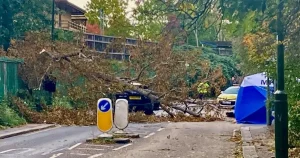
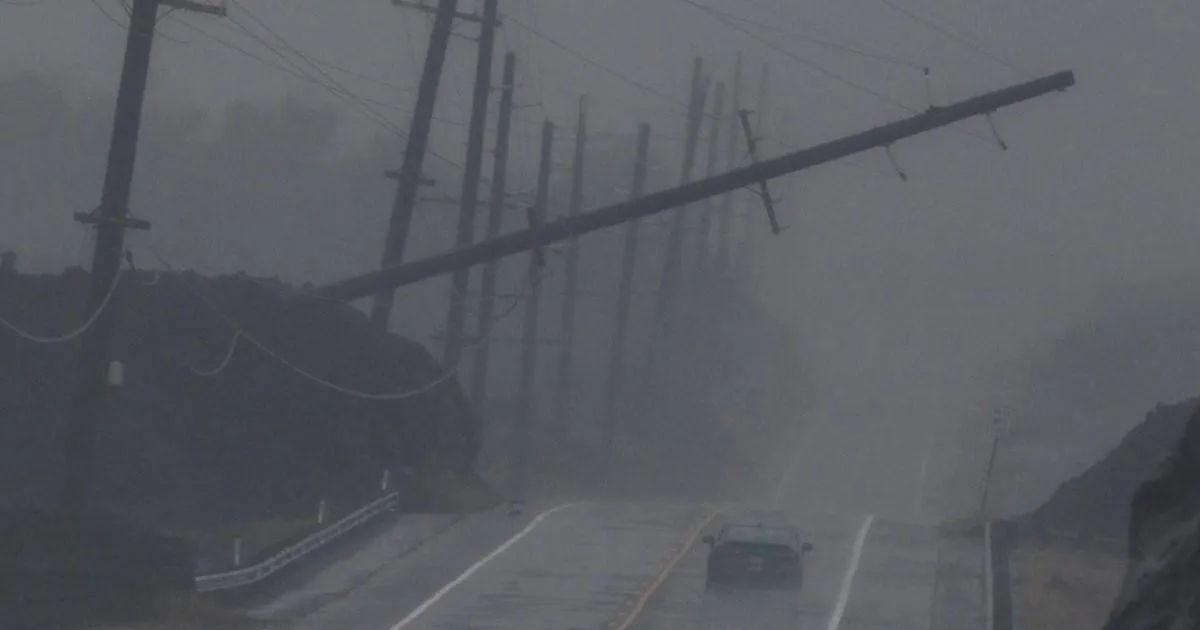
The physical damage wrought by Hurricane Lala became increasingly apparent as the storm moved through the island chain. Nearly forty roads were forced to close, their surfaces blocked by mudslides, fallen trees, and downed power lines that twisted across the asphalt like discarded ribbons. For residents like Mike Caputo of Keaau, the danger posed by albizia trees, beautiful but brittle giants that dot the landscape, was a constant concern. These trees, he warned, “can make roads impassable” when they fall, and their widespread presence meant that even after the storm passed, the danger would persist for days to come.
The closure of both Hilo International Airport and Ellison Onizuka Kona International Airport at Keāhole grounded 190 flights, stranding travelers and cutting off the island’s vital connection to the outside world. Official notices urged passengers to check directly with their airlines, while state emergency declarations remained in effect. For Christine Matsuda, a resident of Waimea, the experience was deeply unsettling as the winds “rattled” her home in ways she had never witnessed before. She described discovering “unexpected leaks in places that don’t see water under normal conditions,” a testament to the storm’s unprecedented intensity. The personal accounts of residents paint a vivid picture of a community under siege, where the familiar comfort of home had become a place of uncertainty and concern.
The Human Spirit Endures
Yet even in the face of such overwhelming adversity, the spirit of Aloha shines through. The National Weather Service’s reminder that Lala would eventually weaken brought hope, even as the storm threatened to strengthen again in the coming week. The hurricane that had initially been projected to make landfall for the first time in 34 years instead veered away, but its impact will be felt for generations. Local officials’ swift response to the emergency, combined with the remarkable resilience of residents who have learned to read the signs of nature and prepare accordingly, demonstrated the indomitable human spirit that defines island life.
The timing of the hurricane, arriving just two days after the Kīlauea volcano’s dramatic eruption, served as a powerful reminder of the dynamic forces that shape these islands. As lava continued to flow from the volcano and officials warned of further eruptions, residents found themselves facing multiple natural threats simultaneously. Yet throughout it all, the community’s determination to protect one another and rebuild has remained unshaken. The road to recovery will undoubtedly be long and challenging, but the spirit of aloha that binds these island communities together ensures that they will face whatever comes next with the same courage and resilience they’ve always shown.
As the storm finally begins to pull away from the islands, leaving behind a trail of destruction, damaged homes, and disrupted lives, the people of Hawaii face the daunting task of rebuilding. The lessons of Hurricane Lala will not soon be forgotten, serving as a stark reminder of the awesome power of nature and the indomitable spirit of those who call these beautiful, vulnerable islands home. The road to recovery will be long, but the people of Hawaii have faced such challenges before, and they will face them again with the same strength and determination that has defined their islands for generations.