


Ukraine’s Naval Drone Triumph: A New Era of Warfare
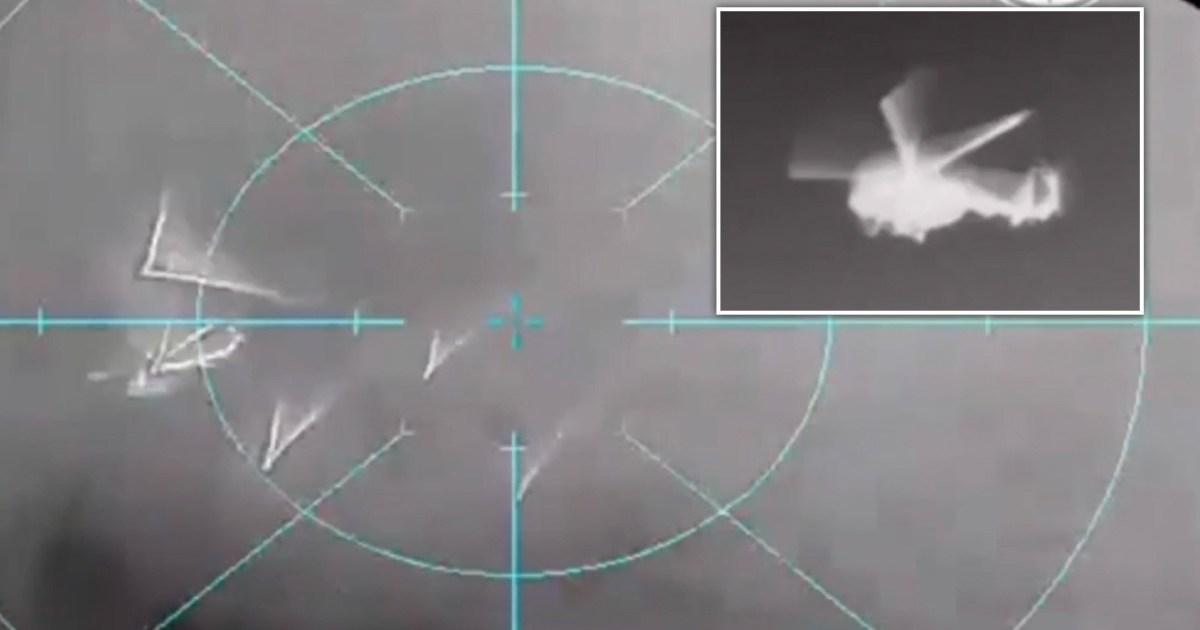
The closing hours of 2024 witnessed a groundbreaking military achievement by Ukraine, marking a significant shift in naval warfare. For the first time in history, a sea drone, the Magura V5, successfully downed an airborne target. This feat, confirmed by the Ukrainian Ministry of Defence, involved the destruction of a Russian Mi-8 military helicopter off the coast of Crimea, a territory currently occupied by Russia. The drone, equipped with modified R-73 “Sea Dragon” air-to-air missiles, demonstrated the innovative capacity of Ukraine’s military to adapt existing technology for new strategic purposes. This success not only represents a tactical victory but also symbolizes the growing importance of unmanned systems in modern conflict. The Magura V5’s effectiveness against an aerial target opens up new possibilities for naval defense and offensive operations, potentially altering the balance of power in maritime domains.
The Expanding Role of Sea Drones: A Game Changer in Naval Strategy
The downing of the Russian helicopter signifies more than just a single incident; it heralds a potential paradigm shift in naval warfare. Sea drones, once considered a niche technology, are rapidly evolving into crucial assets, capable of challenging traditional naval dominance. Their relative affordability, adaptability, and stealth capabilities present a compelling alternative to costly and vulnerable conventional warships. The Ukrainian operation highlights the asymmetric advantage that sea drones offer to smaller nations or forces facing larger, more established navies. This disruptive potential is prompting a reevaluation of naval strategies and investments worldwide. The incident underscores the growing need for navies to develop countermeasures against this emerging threat, while also exploring the potential benefits of incorporating sea drones into their own fleets.
Russian Aerial Assault: A Continued Campaign of Aggression
While Ukraine celebrated its naval drone success, Russia continued its aggressive military campaign. In the early hours of the new year, a wave of missiles and drones targeted Kyiv and other regions of Ukraine. The attacks, which included ballistic missiles, resulted in explosions in the capital and damage to residential buildings and schools in the northeastern Sumy region. These attacks serve as a grim reminder of the ongoing conflict and the persistent threat faced by Ukrainian civilians. They also highlight Russia’s continued reliance on aerial bombardment as a key tactic in its war effort, despite facing increasing challenges on the ground and at sea.
Escalation and Adaptation: The Evolving Dynamics of the Conflict
The concurrent events of Ukraine’s drone success and Russia’s missile attacks illustrate the constantly evolving dynamics of the conflict. Both sides are actively adapting their strategies and employing new technologies to gain an advantage. Ukraine’s demonstrated ability to utilize sea drones for air defense marks a significant development, potentially shifting the balance of power in the Black Sea region. Meanwhile, Russia’s continued aerial assaults underscore its commitment to maintaining pressure on Ukraine, despite facing mounting losses and setbacks. These developments suggest a protracted and increasingly complex conflict, with both sides seeking new ways to exploit vulnerabilities and achieve their objectives.
Implications for Global Security: A Ripple Effect Beyond Ukraine’s Borders
The events unfolding in Ukraine have far-reaching implications for global security. The successful deployment of a sea drone to down an aircraft demonstrates the potential of this technology to disrupt traditional naval operations and potentially alter the course of future conflicts. This development is likely to spur further investment and innovation in unmanned naval systems, triggering a new arms race among nations seeking to maintain or gain a military edge. Moreover, the ongoing conflict in Ukraine serves as a stark reminder of the fragility of international security and the potential for regional conflicts to escalate into wider confrontations.
The Human Cost of Conflict: A Continuing Tragedy
Amidst the technological advancements and strategic maneuvering, it is crucial to remember the human cost of the ongoing conflict. The missile attacks on Ukrainian cities have resulted in damage to civilian infrastructure and the displacement of countless individuals. The conflict has also claimed the lives of both military personnel and civilians, creating a humanitarian crisis that continues to unfold. As the war drags on, the suffering of the Ukrainian people remains a central concern, demanding international attention and humanitarian assistance. The events of late 2024 serve as a stark reminder of the devastating consequences of armed conflict and the urgent need for peaceful resolutions.