


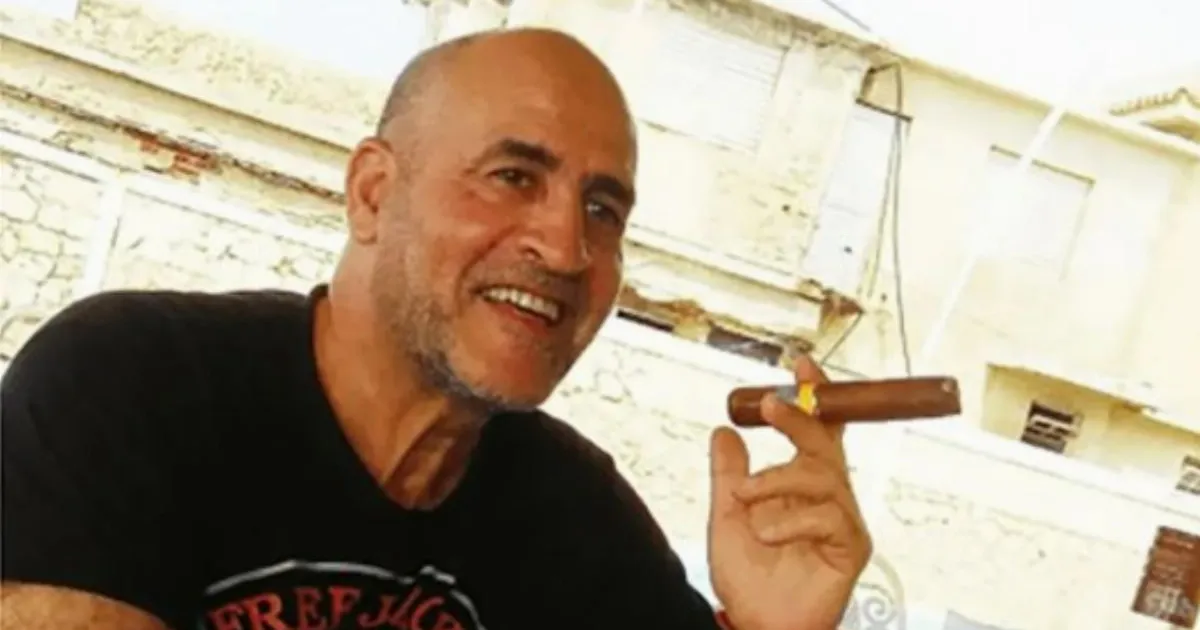
The discovery of 69-year-old modelling scout Daniel Siad, who was found dead in his home outside Paris this week, has sent a ripple of unsettling tension through the long-running, murky investigation into the inner circle of the late financier Jeffrey Epstein. Siad, a figure whose name appeared over a thousand times within the infamous “Epstein files,” had been under intensive scrutiny by French authorities regarding allegations that he served as a facilitator for Epstein’s horrific network of human trafficking and abuse. As the Nanterre prosecutor’s office confirms that an investigation into the cause of his death is underway, the sudden vacancy left by his passing serves as a grim reminder of how many questions remain unanswered in the wake of one of the 21st century’s most notorious criminal webs.
To understand the scope of Siad’s involvement, one must look at the deeply dehumanizing language that characterized his relationship with Epstein. In a cold, predatory message sent in 2014, Siad infamously compared the process of recruiting vulnerable women to the act of fishing, explicitly stating, “In this business, I feel like a fisherman; sometimes I catch quick, sometimes no fish.” He went on to list various young women by their nationalities, offering them up as mere commodities for the billionaire’s gratification. Epstein’s response—a bureaucratic promise to “reimburse” him for expenses—underscores the transactional, grotesque nature of a partnership that treated human lives as nothing more than items on a ledger, bought and sold for the pleasure of the powerful.
Despite the incriminating nature of such correspondence, Siad consistently maintained his innocence until his final days. He had publicly claimed that he felt victimized by the billionaire, asserting that Epstein had “taken advantage of his trust”—a defense strategy that many observers found difficult to square with the documented evidence of his scouting activities. Siad had expressed a desire to have his day in court to provide his “version of events,” a prospect that has now been permanently silenced. His death leaves a void in the legal proceedings, as the judiciary is once again denied the opportunity to confront a key intermediary who possessed firsthand knowledge of how this network operated behind the glamour of the fashion industry.
The context of Siad’s death is impossible to separate from the wider ecosystem of predator behavior that defined the Epstein circle. Siad was closely linked to Jean-Luc Brunel, a prominent modelling agent who acted as a primary recruiter for Epstein. Brunel’s own story ended in a similar, quiet horror when he was found dead in a prison cell in February 2022, while awaiting trial for rape and sexual abuse of minors. The fact that two major figures associated with the trafficking ring have now died before facing a full public trial creates a prevailing sense of frustration for the victims, who had hoped to see historical accountability for the systemic exploitation they endured for years.
In the public eye, these deaths often feel like the closing of a door that should have remained open. The legal system relies on testimony, confrontation, and the unmasking of secrets to provide closure to those who were brutalized by traffickers. When primary players like Siad die under mysterious circumstances or while under the weight of such grave allegations, it denies the public a full accounting of how, exactly, these networks flourished for so long without interference. It fuels the suspicion that while the principals may be gone, the true machinery of their dark influence—the structures that allowed them to operate with such impunity—remains largely opaque and unexamined.
Ultimately, the death of Daniel Siad is not just a personal tragedy or a legal complication; it is a final, abrupt punctuation mark in a narrative defined by exploitation. Whether the upcoming autopsy will offer clarity or further intrigue remains to be seen, but the broader picture remains unchanged: many of those who were allegedly involved in the systematic abuse of women have escaped the judgment of the court. As the investigation into his home and his final days continues, the focus remains on the immense, unresolved history of the Epstein files—a chilling testament to a world where, for far too long, the most vulnerable were treated as prey, and those who facilitated their suffering were shielded by the shadows of the elite.