
Paragraph 1
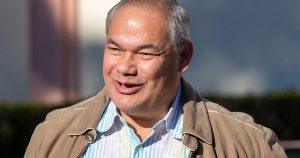
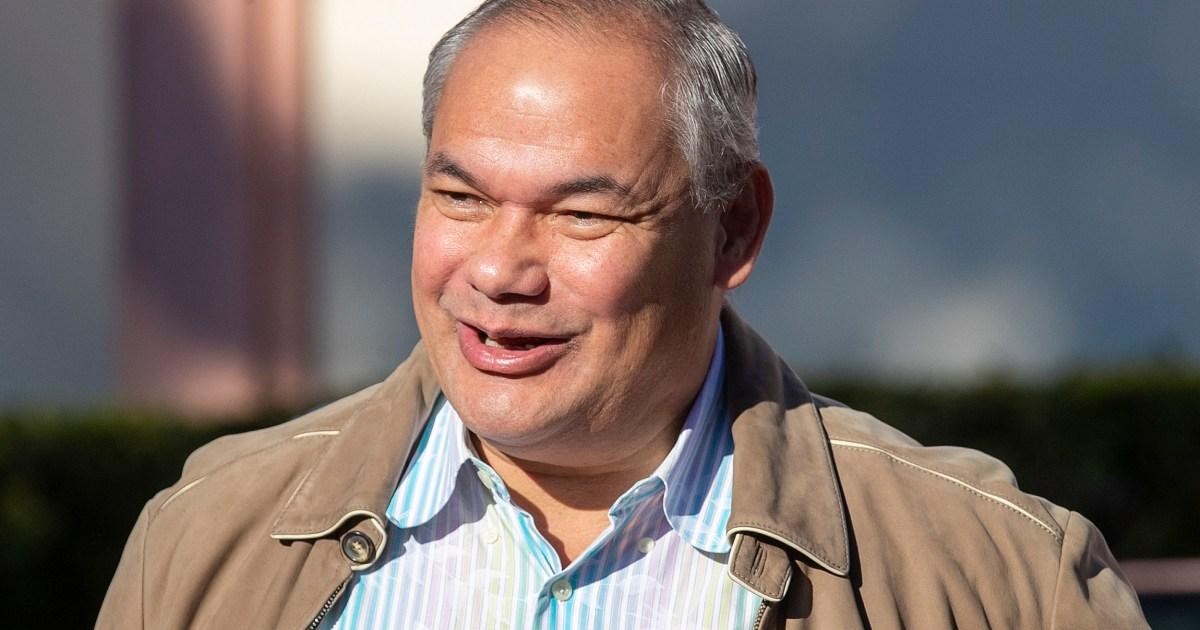
It was supposed to be a routine press conference, the kind that Gold Coast Mayor Tom Tate has navigated with the practiced ease of a seasoned politician. The cameras were rolling, the microphones were poised, and the usual pack of local journalists were ready to pepper him with questions about city budgets, development plans, and the upcoming tourist season. But within minutes, the atmosphere shifted. The topic turned to something far more glamorous, and far more fraught: his alleged private dinner with former President Donald Trump. Tate had previously boasted, with almost boyish enthusiasm, that he and his wife had shared a meal with Trump and Melania at the opulent Mar-a-Lago resort back in February. It was a claim that had already raised eyebrows. But now, with ABC News Australia reporting that the White House had quietly backtracked on that story—suggesting that the Mayor had not actually eaten with the presidential couple—the mood in the room became tense. The first question was gentle, a soft probe asking for clarification. Tate’s response was clipped, defensive. “I’ve already answered yes,” he said, his jaw tightening. “And the matter’s private, so I’m not going to elaborate much further than that.” The journalist, sensing a crack in the facade, pressed harder. The cost of the trip from Australia to Florida was the next query. And that’s when the carefully constructed political mask shattered. Tate’s eyes flashed, his composure evaporated, and with words that no polished PR advisor would ever approve, he snapped, “F— off, yeah f— off, I’ve had enough of that.” Then, without another word, he turned on his heel and stormed out of the room, leaving a stunned silence and a handful of reporters staring at the empty podium.
Paragraph 2
To understand the sheer force of that outburst, you have to picture the scene: a man who has spent years projecting an image of friendly, approachable leadership—the kind of bloke who slaps you on the back at a barbecue and promises to fix the traffic—suddenly reduced to a red-faced, spitting ball of fury. It wasn’t just the question about the trip’s budget that got under his skin. It was the nagging, humiliating implication that he might have been lying, or worse, that he had been played for a fool. The dinner story had been his little bit of stardust, a glittering tale to drop at council meetings and charity galas. Imagine the dinner table in his mind: the clinking of glasses, the soft glow of chandeliers, Trump leaning over to ask about the Gold Coast’s famous beaches. It was a fantasy that made him feel important. But the White House’s quiet correction—that he hadn’t actually eaten with the group—had turned that fantasy into a potential embarrassment. Journalists, being journalists, smelled blood. The question about the trip cost was the final straw. It wasn’t about the money, really. It was about being exposed, being caught out, and being made to look small. And so, with that expletive-filled exit, Tate revealed more about his insecurity than any policy briefing ever could. He left behind a room full of people who had just witnessed a very human, very raw, and very undignified collapse of a politician’s carefully curated persona.
Paragraph 3
The aftermath was swift and merciless. The Trump Organization, never one to shy away from a public statement, issued a flat denial that was as cold as it was categorical. “Any suggestion that the president had dinner with Mayor Tate, or that he attended an event that was directly or indirectly connected to or associated with Mayor Tate or his event, is categorically false.” It was a corporate smackdown, a formal, lawyerly slap that left Tate’s story in tatters. But for Tate, the damage went deeper than a simple fact-check. This wasn’t just about a missed meal; it was about the psychological weight of being caught between a rock and a hard place. He had invested so much emotional capital in this connection to Trump, likely viewing it as a stepping stone to international recognition, a chance to stand beside a global figure. The trip itself—flying halfway around the world, staying near Mar-a-Lago, dressing up for the occasion—must have felt like a pilgrimage. To have that pilgrimage dismissed as fiction, and then to be grilled about the cost in front of cameras, was a double blow. And yet, the most human part of this story is that he still couldn’t let it go. Even after the denial, he clung to the hope that maybe, just maybe, it had happened in some expanded definition of “dinner.” Being asked to itemize the costs—the flights, the hotel, the incidentals—was like being asked to put a price on his own ego. No wonder he snapped. The question wasn’t just about money; it was about the crushing realization that he had been living in a bubble of his own making.
Paragraph 4
This isn’t the first time that Tate’s name has been linked with Trump, and the history there is equally tangled and, in a way, deeply poetic. Years ago, the Gold Coast was buzzing with plans for a Trump Tower—a colossal, 91-storey monstrosity that was to be Australia’s tallest building, a gleaming symbol of luxury with a hotel, apartments, and retail space. It was supposed to put the city on the global map, a gold-plated, gravy-train of international real estate. But then the world turned. The backlash was not just polite disagreement; it was a full-blown, grass-roots uprising. More than 140,000 Australians signed a petition against the tower, their reasons ranging from environmental concerns to a simple, visceral distaste for the Trump brand. The developer, David Young of Altus Property Group, candidly told CNN that the name had become “too toxic.” He cited the Iran war and other Trump-related controversies as the tipping point. He was right, of course. But the Trump Organization, in a move that was both defiant and thin-skinned, slammed Young’s comments as a “ploy” to distract from his own failures. They couldn’t accept that the world had moved on, that the brand that once meant “opulence” now meant “controversy.” And so the dream was scrapped, leaving behind nothing but a hole in the ground and a pile of bruised egos.
Paragraph 5
And here’s where the human dimension gets even more fascinating. Tate, in the midst of this mess, took to blaming the Trump Organization for the tower’s collapse, suggesting they were planning to make more profit than the developer. It was a strange, convoluted argument, but it reveals a man who just can’t help but be drawn to the flame. He was simultaneously trying to distance himself from Trump (for the sake of the tower) while also desperately wanting to be close to him (for the sake of a dinner story). That’s a psychological tightrope that few of us would envy. Imagine the cognitive dissonance: on the one hand, you’re publicly acknowledging that working with the Trumps is a commercial liability; on the other hand, you’re privately boasting about dining with them. It’s the behavior of someone who admires power and status, even when that power is toxic. It’s also a reminder that politicians, for all their bravado, are deeply human. They crave validation, they want to be seen as important, and they often make choices that are emotionally driven rather than strategically sound. Tate’s stormout wasn’t just about a bad day; it was about the accumulated weight of a relationship with a brand that keeps promising glory and delivering chaos. He must have felt like a boxer taking punches from all sides—from the media, from the Trump Organization, from his own supporters—and finally, he just lowered his gloves and screamed.
Paragraph 6
In the end, what do we make of this bizarre, expletive-laden press conference? On the surface, it’s a silly story about an Australian mayor who made a dubious claim and then threw a tantrum when challenged. But look closer, and it’s a parable about pride, delusion, and the dangers of attaching your reputation to a polarizing celebrity. Tate’s behavior, as unbecoming as it was, resonated with anyone who has ever been caught in a lie and reflexively doubled down, or who has ever felt the sting of being publicly humiliated and lashed out in return. He didn’t handle it well, but he handled it like a person—flawed, defensive, and desperate to cling to a shred of dignity. The media will have a field day, of course, and his political opponents will use this as ammunition. But for the average person, it’s a reminder that even the powerful are fragile. The real cost of that trip to Florida wasn’t the airfare or the hotel suite. It was the slow, creeping realization that no amount of Mar-a-Lago glamour can protect you from the simple, brutal truth of a journalist’s question. And so, Tom Tate stormed out, leaving behind not just a podium, but a lesson: if you’re going to spin a tale, make sure it’s not one that can be easily unraveled. Because in the end, the only thing worse than not dining with a president is being caught pretending you did—and then telling the press to “f— off” instead of simply admitting the glittering dream had never been real.