



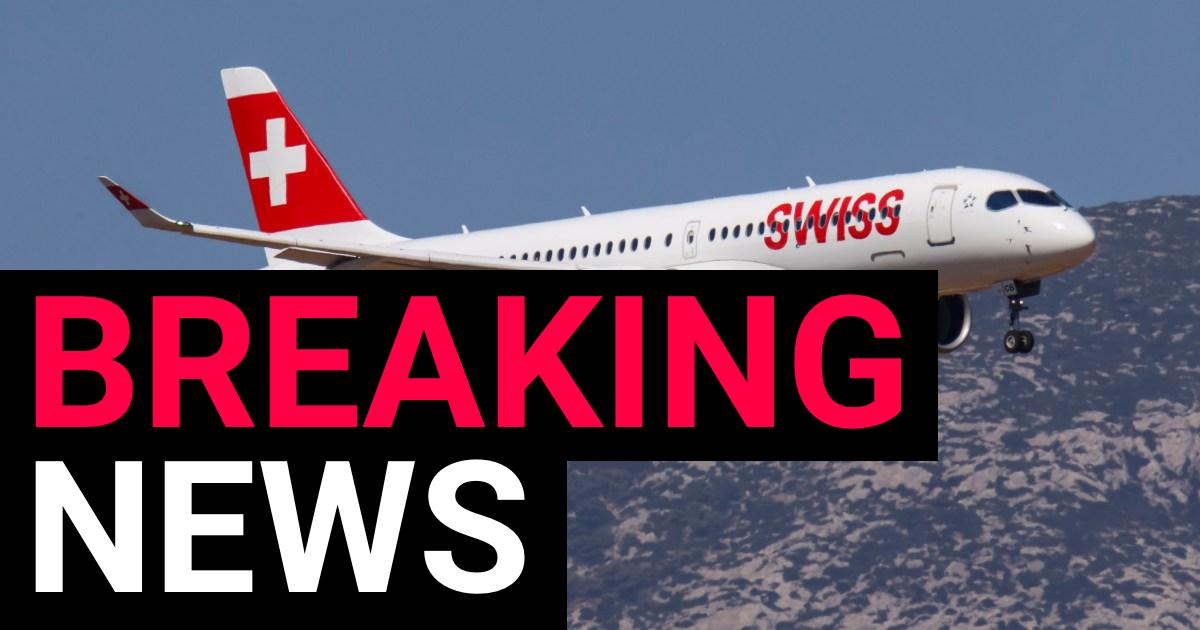
On December 23rd, a Swiss International Airbus A220-300 en route from Bucharest, Romania, to Zurich, Switzerland, experienced a mid-flight engine malfunction, necessitating an emergency landing in Graz, Austria. The incident unfolded dramatically as smoke began to permeate the cabin, prompting the pilots to divert the aircraft. All 74 passengers and crew members were swiftly evacuated upon landing. While the majority emerged relatively unscathed, a dozen individuals required medical attention, some of whom were transported to local hospitals for further assessment and treatment. Tragically, a young flight attendant, part of the Swiss cabin crew, succumbed to his injuries a week later, on December 30th, after being admitted to intensive care. The airline has refrained from disclosing the crew member’s identity or the precise cause of death out of respect for his grieving family. Preliminary findings suggest a technical defect in one of the aircraft’s engines as the source of the smoke that filled the cabin and cockpit.
The sudden death of the young flight attendant has sent shockwaves through the Swiss International Air Lines community. Jens Fehlinger, CEO of the airline, expressed profound sorrow and disbelief at the tragic loss, offering condolences to the bereaved family and acknowledging the immeasurable pain they must be enduring. The incident underscores the inherent risks associated with air travel and the dedication of flight crews who tirelessly ensure the safety and well-being of passengers. The airline has committed to a thorough investigation to determine the exact sequence of events leading to the engine failure and subsequent smoke incursion into the cabin. This investigation will likely involve a detailed analysis of the aircraft’s maintenance records, the pilot’s actions during the emergency, and the emergency response procedures implemented upon landing in Graz. The findings will be crucial in preventing similar incidents in the future and reinforcing safety protocols within the aviation industry.
The incident also highlights the importance of effective emergency procedures and the coordinated response of airport authorities and medical personnel. The swift evacuation of the aircraft and the prompt medical attention provided to those in need undoubtedly mitigated the severity of the situation and potentially saved lives. The seamless collaboration between the flight crew, ground staff, and emergency services exemplified the crucial role of preparedness and training in handling such critical incidents. The experience also underscores the psychological impact of such events on passengers and crew, emphasizing the need for adequate support and counseling services in the aftermath of a traumatic experience.
The Swiss International Airlines tragedy resonates with other incidents in aviation history where mechanical failures have led to catastrophic outcomes. These events serve as stark reminders of the continuous need for vigilance in aircraft maintenance, rigorous safety checks, and ongoing training for pilots and crew to effectively manage emergencies. The investigation into the December 23rd incident will contribute valuable data to the ongoing efforts to improve aviation safety and prevent future tragedies. The data gathered will be shared with relevant aviation authorities and manufacturers to further enhance safety protocols and address any potential systemic issues identified during the investigation.
The incident has sparked renewed discussions on the importance of passenger safety and the responsibility of airlines to maintain the highest standards of operational efficiency and maintenance. The public scrutiny following the incident will likely lead to increased pressure on airlines to implement even more stringent safety measures and invest in advanced technologies that can detect and prevent potential mechanical failures before they escalate into emergencies. Furthermore, the tragedy underscores the need for transparent communication between airlines, passengers, and regulatory bodies to ensure that all stakeholders are informed about safety procedures and the measures taken to mitigate risks.
The loss of the young flight attendant serves as a poignant reminder of the human cost of such incidents. While investigations and technical analyses are crucial in determining the root causes and preventing future occurrences, the emotional impact on individuals and families should not be overlooked. The aviation industry must prioritize the well-being of its workforce, providing adequate support and resources to cope with the psychological aftermath of traumatic events. The December 23rd incident serves as a somber call for continued vigilance, enhanced safety measures, and a renewed commitment to prioritizing the safety and well-being of all those involved in air travel.