


Incident Overview and Initial Response:
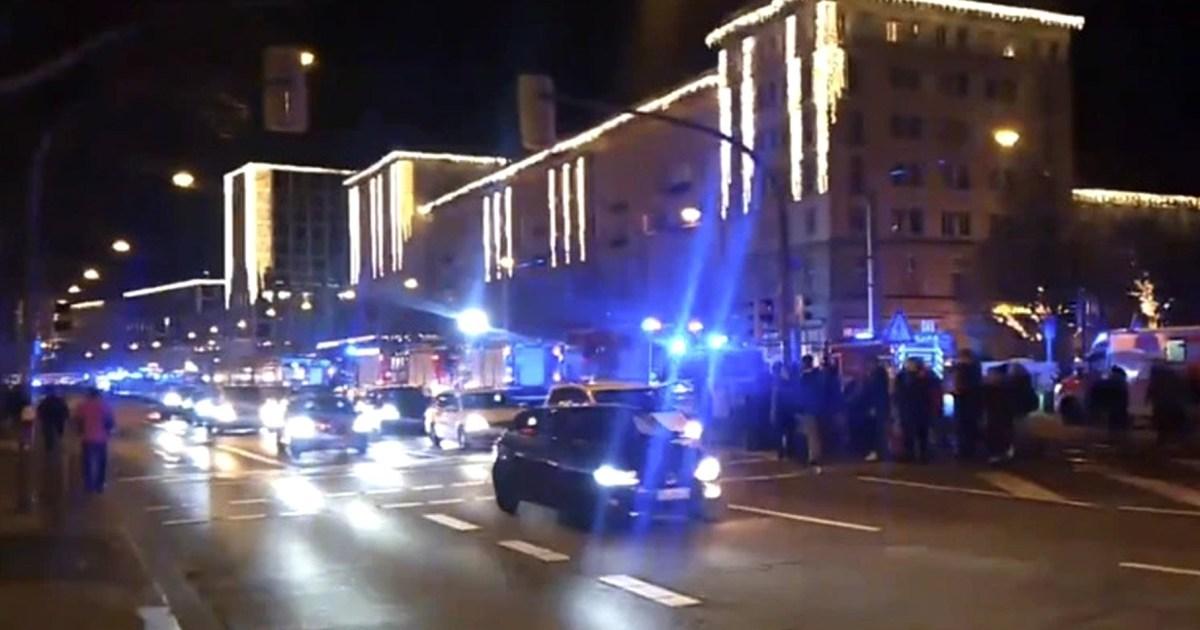
A grave incident unfolded at a Christmas market in Magdeburg, Germany, where a car plowed into a crowd of festive revelers. The event occurred in the early evening, plunging the joyous atmosphere into chaos and tragedy. Initial reports from government spokesperson Matthias Schuppe and city spokesperson Michael Reif indicated multiple injuries, with a somber acknowledgment of potential fatalities. The scene was described as horrific, with scattered bodies amidst the overturned market stalls and debris. Saxony-Anhalt governor Reiner Haseloff, en route to the scene, lamented the timing of the tragedy, occurring just days before Christmas.
The immediate aftermath saw a swift response from emergency services, who cordoned off the area. Video footage captured the chaotic scene, showing numerous individuals lying injured on the ground. The initial uncertainty and unfolding nature of the event contributed to the widespread anxiety and concern. Magdeburg, the state capital of Saxony-Anhalt with a population of approximately 240,000, is situated west of Berlin. The Christmas market, located in the Old Market square adjacent to the town hall and near the River Elbe, typically bustles with activity, especially during the holiday season. The proximity of a large shopping center further amplified the potential for widespread impact.
Suspicions of an Attack and Parallels to 2016 Berlin Attack:
The incident immediately raised concerns of a deliberate attack, echoing the tragic 2016 Berlin Christmas market attack. While official confirmation awaited further investigation, the nature of the incident and the significant number of casualties fueled suspicion. Authorities were cautious in their pronouncements, but the similarities to the 2016 attack, where an Islamic extremist used a truck to target Christmas market attendees, killing 13 and injuring dozens more, were inescapable. The 2016 attacker was eventually killed in a shootout in Italy days later.
The potential for a similar motive in the Magdeburg incident cast a pall over the holiday season, resurrecting painful memories and anxieties. While German Interior Minister Nancy Faeser had previously stated that there were no specific threats to Christmas markets this year, she also emphasized the importance of vigilance. The Magdeburg incident underscored the vulnerability of public gatherings, particularly during festive periods, and served as a stark reminder of the ever-present threat of such attacks.
Detailed Account of the Incident and Emerging Information:
The unfolding events in Magdeburg painted a grim picture. A car, reportedly driven at high speed, intentionally targeted the crowded Christmas market. The impact caused widespread panic and chaos, as people scrambled for safety amidst the wreckage and the injured. First responders worked tirelessly to provide medical assistance and transport the injured to nearby hospitals.
As information trickled in, the scale of the tragedy became clearer. Early, unverified reports from local media suggested at least one fatality and between 60 and 80 injuries. The official figures were still being compiled, but the severity of the incident was undeniable. The car’s trajectory through the market, whether a deliberate act of terrorism or another form of violence, became the focus of the ensuing investigation.
The Impact on the Magdeburg Community and Germany as a Whole:
The Magdeburg Christmas market attack sent shockwaves through the community and the nation. The festive atmosphere was shattered, replaced by grief, fear, and uncertainty. The incident resonated deeply with Germans, especially given the proximity to the holidays and the painful memories of the 2016 Berlin attack.
The attack served as a stark reminder of the fragility of peace and security, even in seemingly safe environments. The targeting of a Christmas market, a symbol of joy and community spirit, amplified the sense of vulnerability and fear. The incident was likely to have long-lasting psychological repercussions for the Magdeburg community and raise questions about security measures at public events nationwide.
Ongoing Investigation and Search for Answers:
In the immediate aftermath of the incident, authorities launched a full-scale investigation. The driver of the vehicle was apprehended, and their motives were under intense scrutiny. The focus was on determining whether the incident was a deliberate act of terrorism, a hate crime, or another form of violence. Forensic teams combed the scene, collecting evidence and piecing together the sequence of events. Investigators were also likely to examine any potential links to extremist groups or individuals. The investigation promised to be complex and potentially protracted, as authorities sought to gather all relevant information and establish a clear understanding of the event.
Reflection on the Tragic Event and its Wider Implications:
The Magdeburg Christmas market incident stands as a grim reminder of the vulnerability of soft targets and the enduring threat of violence, regardless of location or time of year. The incident served to underscore the challenges of balancing security concerns with the desire to maintain an open and accessible society. The attack also highlighted the need for continued vigilance and preparedness in the face of such threats. The incident was likely to spark debates about security measures at public events, the effectiveness of existing counter-terrorism strategies, and the broader societal implications of such attacks. The tragedy also served as a moment for reflection on the importance of community resilience and solidarity in the face of adversity.