


Incident Overview:
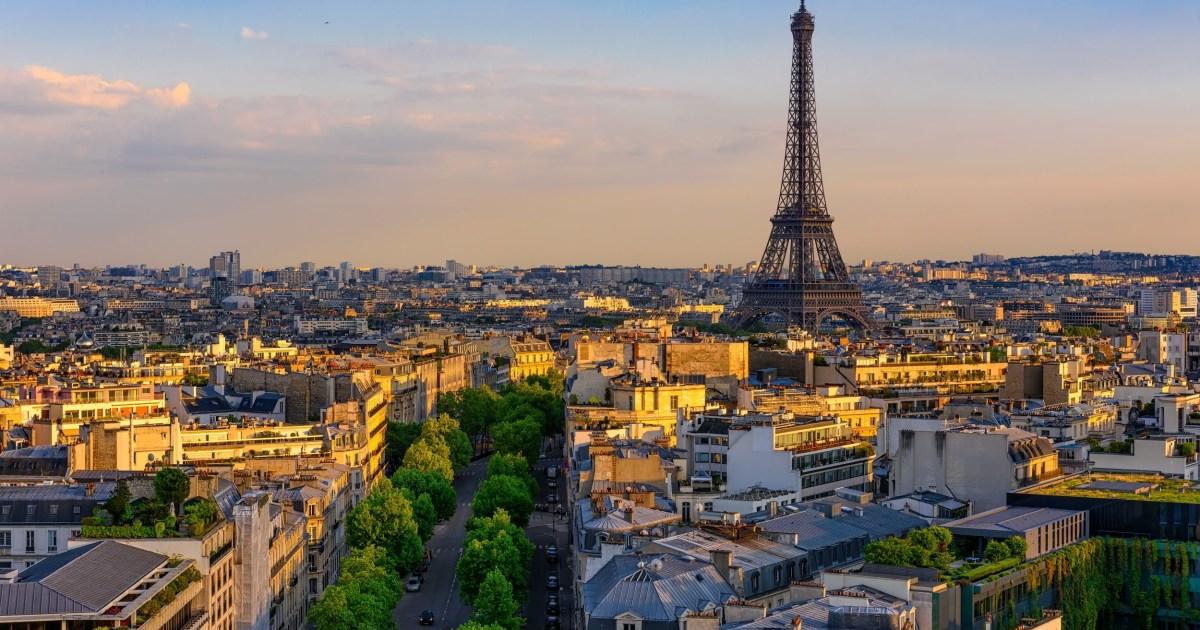
On a seemingly ordinary morning, the iconic Eiffel Tower, a symbol of Paris and France, became the scene of an unexpected emergency. Reports emerged of a fire breaking out within the structure, specifically within the elevator shaft connecting the ground floor to the first floor. This incident prompted a swift response, with authorities evacuating approximately 1,200 individuals from the tower and its surrounding area. As news of the fire spread, concern rippled through both local residents and the global community, given the tower’s status as a beloved landmark. Initial reports indicated that firefighters faced challenges accessing the flames due to their location within the elevator shaft. However, shortly after midday local time, a police source confirmed that the fire had been successfully extinguished. Preliminary investigations suggested that the cause of the fire was attributed to an overheated cable.
Witness Accounts and Public Reaction:
The incident generated a flurry of activity on social media platforms, as witnesses shared their experiences and observations. Some individuals present at the scene reported being instructed to evacuate immediately, while others confirmed the tower’s closure due to security concerns. The atmosphere surrounding the incident was undoubtedly tense, as people grappled with the unexpected disruption and the potential implications for the iconic structure. The Eiffel Tower, a major tourist attraction, typically welcomes up to 25,000 visitors daily. The unexpected disruption caused by the fire likely impacted the plans and experiences of numerous individuals.
Simultaneous Fire Incident:
Adding to the day’s emergencies, a separate fire erupted at 1 rue de la Pépinière, located in close proximity to the Cour de Rome. This incident occurred shortly before the Eiffel Tower fire, with flames observed engulfing the seventh floor of the building at approximately 9 am. Fire officials attributed the cause of this fire to an accident at a construction site. Witnesses reported a pervasive burning smell throughout the neighborhood, clinging even to their clothing. The simultaneous occurrence of these two fires undoubtedly stretched the resources of the Paris Fire Brigade and created a sense of urgency among first responders.
Investigation and Response:
Authorities, including the Paris Fire Brigade and the Eiffel Tower customer service team, were actively involved in addressing the situation. Investigations were likely initiated to determine the precise cause of the Eiffel Tower fire, confirm the extent of the damage, and implement measures to prevent similar incidents in the future. The efficient evacuation of visitors and the swift response of firefighters played a crucial role in containing the fire and ensuring public safety. Fortunately, there were no reports of any injuries resulting from either fire.
Impact and Aftermath:
The fire at the Eiffel Tower, albeit extinguished relatively quickly, served as a stark reminder of the vulnerability of even the most iconic structures to unforeseen events. The incident underscored the importance of robust fire safety measures and emergency response protocols, particularly in heavily trafficked public spaces. The temporary closure of the tower likely resulted in some economic impact due to lost tourism revenue. However, the primary concern remained the safety of visitors and the preservation of this historic landmark.
Media Coverage and Public Discourse:
The news of the Eiffel Tower fire spread rapidly through global media outlets, capturing the attention of people worldwide. The incident became a topic of discussion on social media platforms and online forums, with many expressing relief that the fire was extinguished without causing significant damage or injuries. The prompt response of authorities and the resilience of the Eiffel Tower itself served as a testament to the city’s preparedness and the enduring strength of this iconic symbol. The incident also highlighted the crucial role of clear communication and effective crisis management in mitigating the impact of such events.