



Paragraph 1: China’s Ambitious Hydropower Project
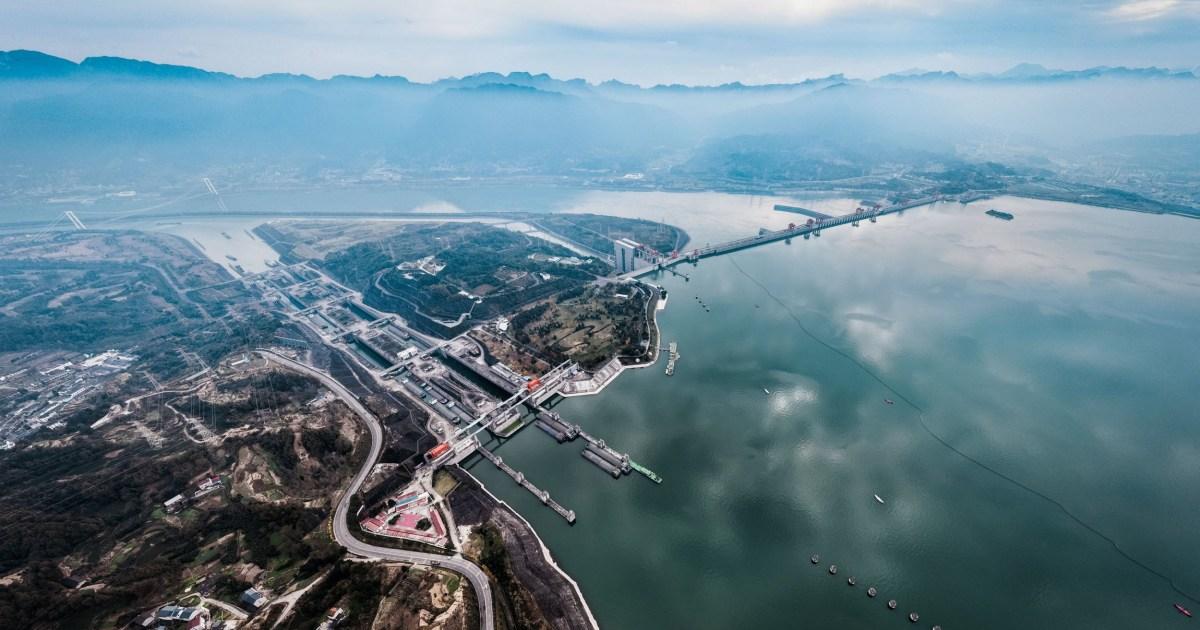
China, a nation renowned for its ambitious infrastructure projects, has unveiled plans to construct the world’s largest hydropower dam, surpassing even the colossal Three Gorges Dam. This new behemoth, slated for the Yarlung Tsangpo River in the Tibet autonomous region, represents a monumental undertaking with a projected cost of 1 trillion yuan (£109 billion). The dam’s primary objective is to generate an astounding 300 billion kilowatt-hours (kWh) of clean energy annually, enough to satisfy the power demands of 300 million people. This ambitious project underscores China’s commitment to transitioning away from fossil fuels and achieving its ambitious goal of net zero emissions by 2060.
Paragraph 2: A Shift Toward Renewable Energy
The Yarlung Tsangpo dam project signifies a crucial step in China’s ongoing energy transformation. In recent years, the country has increasingly prioritized renewable energy sources, greenlighting numerous wind and solar projects. This shift towards sustainable energy reflects a growing global awareness of the urgent need to mitigate climate change. The new dam, along with a push for increased nuclear power generation, positions China at the forefront of the global movement toward carbon-free energy. These efforts have far-reaching implications, not just for China’s energy security, but also for the global fight against climate change.
Paragraph 3: The Yarlung Tsangpo River: A Source of Power and Reverence
The Yarlung Tsangpo, Tibet’s longest river, holds immense significance, both as a potential source of energy and as a sacred entity. To harness its energy, Chinese engineers have devised an audacious plan: to tunnel through the formidable Namcha Barwa mountain, diverting half of the river’s flow. These tunnels, ranging from 2.5 to 12.5 miles (4-20 km) in length, will pose significant engineering challenges. The river itself is a natural wonder, carving the planet’s deepest canyon, with a breathtaking vertical drop of 7,667 meters (25,154 feet). Harnessing the power of this river requires a delicate balance between exploiting its resources and respecting its ecological and cultural significance.
Paragraph 4: Engineering Marvels and Seismic Concerns
The sheer scale of the Yarlung Tsangpo dam project qualifies it as one of the most ambitious infrastructure endeavors in human history. Its location, however, presents unique challenges. Situated at the boundary of a tectonic plate, the dam site is prone to earthquakes, posing a significant risk to the structure’s integrity. Despite this inherent vulnerability, the area’s high rainfall offers an abundant water supply, essential for hydropower generation. This combination of favorable and unfavorable conditions presents engineers with complex problems to solve, requiring innovative solutions to ensure the dam’s safety and longevity.
Paragraph 5: A Project Shrouded in Uncertainty
While the Chinese government has approved the Yarlung Tsangpo dam project, much remains unknown about its timeline and specific details. The official start date for construction and the projected completion date remain undisclosed. This lack of transparency has fueled speculation and generated debate among experts and the public alike. The project’s potential impact on the local environment and the Tibetan community also remains a subject of ongoing discussion. As the project progresses, more information will be needed to assess its long-term consequences fully.
Paragraph 6: China’s Expanding Global Influence
The Yarlung Tsangpo dam project, with its unprecedented scale and ambitious goals, reflects China’s growing global influence and its commitment to technological advancement. The project’s success could further solidify China’s position as a leader in renewable energy and infrastructure development. However, it also raises questions about the environmental and social impacts of such large-scale projects, highlighting the need for careful planning, transparent communication, and sustainable development practices. The world will be watching closely as this grand project unfolds, observing its impact not only on China but also on the future of global energy production and consumption.